Microsoft doubles down on AI infrastructure and quantum progress at Build 2026
From the Surface RTX Spark Dev Box to Project Solara OS and Majorana 2 quantum chip, Microsoft’s Build 2026 keynote signals a pivot toward dedicated AI hardware and native model development.
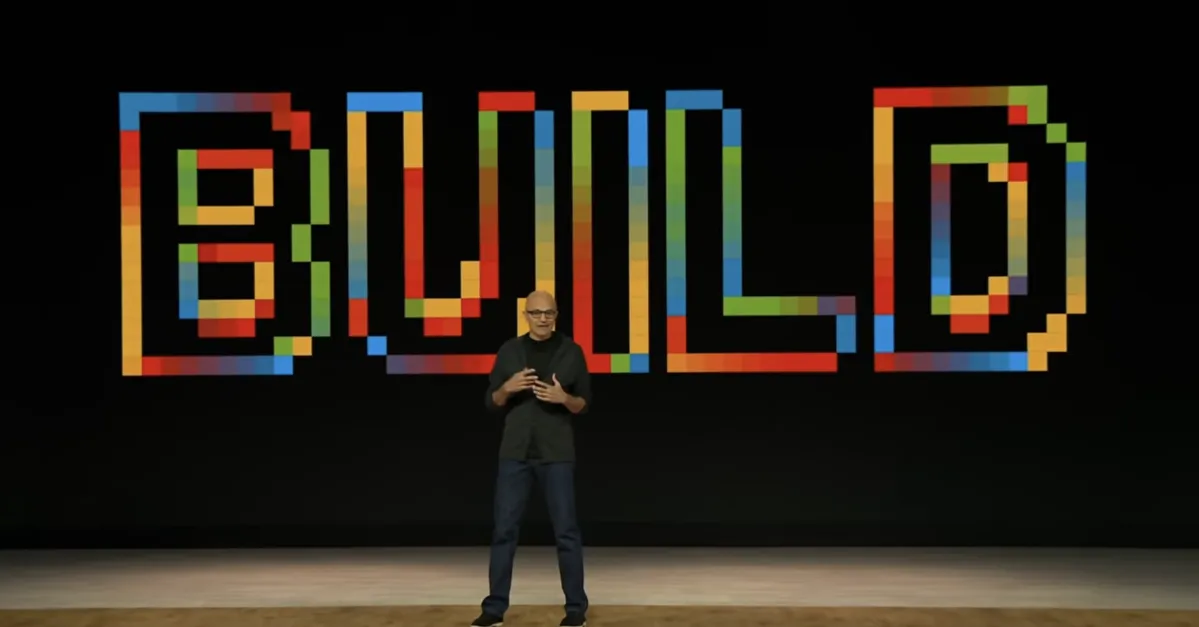
Microsoft has kicked off its Build 2026 developer conference with a keynote led by CEO Satya Nadella, placing artificial intelligence at the centre of its strategic roadmap. The event featured a broad suite of announcements spanning new Surface hardware, updates to the Windows operating system, and significant advancements in quantum computing. The overarching theme was a move away from reliance on external partners, with Microsoft unveiling seven new in-house AI models and dedicated infrastructure designed to support sustained AI workloads.
A key hardware announcement was the Surface RTX Spark Dev Box, a device engineered for developers seeking to run local AI models. Powered by Nvidia’s new Arm-based Spark RTX chip and equipped with 128GB of unified memory, the unit serves as an alternative to Qualcomm’s previously cancelled development kit. It arrives with pre-installed applications including Visual Studio Code and GitHub Copilot, alongside a preconfigured version of Windows 11 Pro optimised for development with dark mode enabled by default. While pricing and full specifications remain undisclosed, the device is scheduled for release in the US later this year.
Microsoft also introduced Project Solara, an Android-based operating system designed specifically to run AI agents across various devices. Developed in partnership with Qualcomm and MediaTek, the system aims to function as a companion to personal computers or facilitate task handoffs between devices. During the keynote, Microsoft demonstrated sample hardware including a desktop hub and a digital badge, illustrating the potential for Solara to integrate AI agents into physical environments beyond traditional screens.
In the software domain, Microsoft unveiled Scout, an always-on assistant built on the OpenClaw platform. Designed to automate office tasks within Microsoft 365 applications such as Outlook, OneDrive, and Teams, Scout targets less technical staff by handling background duties like calendar organisation and expense reporting. The agent is initially available to a limited group of Frontier customers in the US who hold active GitHub Copilot subscriptions, with Microsoft planning to expand access in the future.
On the infrastructure front, Microsoft revealed Majorana 2, its next-generation quantum computing chip. The company states that the new material stack, utilising lead and other compounds, has produced qubits that are 1,000 times more accurate than previous iterations. This improvement supports Microsoft’s goal of achieving a practical quantum computer by 2029. Additionally, the company announced Microsoft Execution Containers (MXC) to enhance the safety of AI agents by allowing developers to set strict guardrails on device access within sandboxed environments.
