Microsoft and Chevron commit to 20-year gas deal for West Texas data centre
The power purchase agreement locks in decades of emissions, complicating Microsoft’s 2030 carbon elimination pledge amid scrutiny from environmental groups.
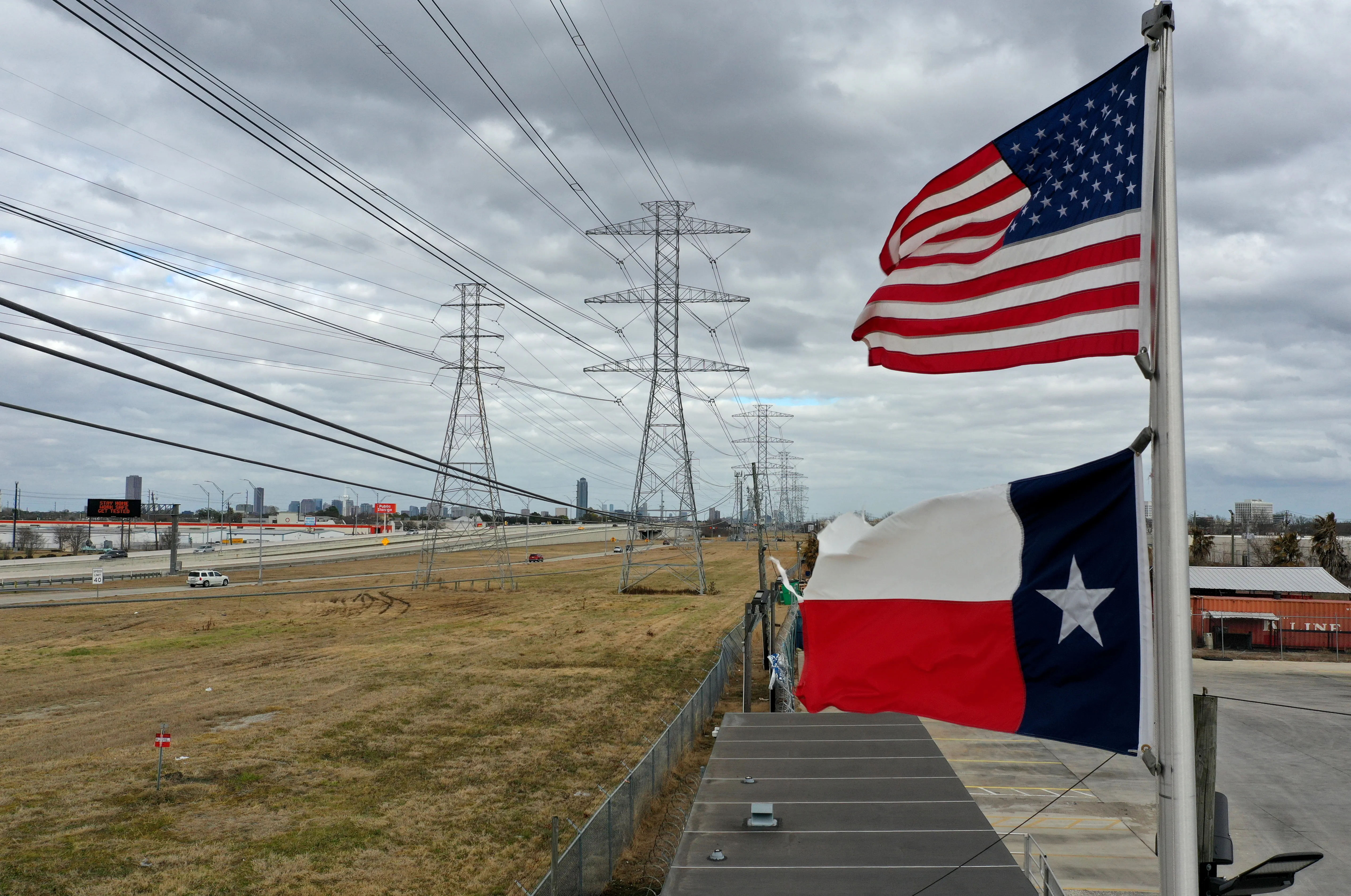
Microsoft and Chevron have announced plans to develop a 2.67-gigawatt natural gas power plant in West Texas, designed to supply electricity to Microsoft’s artificial intelligence and cloud data centres. The two companies have entered into a 20-year power purchase agreement for the facility, which has been designated as Project Kilby. Chevron described the development as one of the largest co-located natural gas power and data centre projects in the United States.
The facility will utilise two large GE Vernova turbines to generate the majority of its power, with the remainder supplied by equipment from Solar Turbines, a subsidiary of Caterpillar. The use of Solar Turbines mirrors their deployment at xAI’s unpermitted power plant near Memphis. Microsoft will purchase the electricity generated by the plant exclusively for its own operations under the long-term contract.
Although Microsoft had been signalling this strategic shift for several months, the announcement marks a significant departure for a company that has been vocal about its sustainability commitments. The tech giant has pledged to eliminate its carbon emissions by 2030, a goal that the new infrastructure project is expected to complicate. The Environmental Integrity Project estimates that Project Kilby could release more than 13 million tons of carbon dioxide annually.
In addition to carbon dioxide, the Environmental Integrity Project projects that the plant will emit 3,200 tons of criteria air pollutants and 278,000 pounds of hazardous air pollutants each year. These figures suggest that the project will make Microsoft’s 2030 carbon elimination target harder to reach, although the precise degree of impact or potential mitigation strategies have not been detailed in the source material.
The move highlights the intensifying energy demands of the AI sector and the reliance on traditional fossil fuels to meet power requirements. While the partnership secures a dedicated power supply for Microsoft’s growing cloud and AI infrastructure, it also places the company under increased scrutiny regarding its environmental footprint and the feasibility of its near-term climate goals.
