Microsoft AI chief outlines superintelligence timeline and strategic pivot
The CEO of Microsoft AI spoke to The Verge’s Decoder podcast, detailing the company’s independent research path, the release of seven new models, and his definition of the technological singularity.
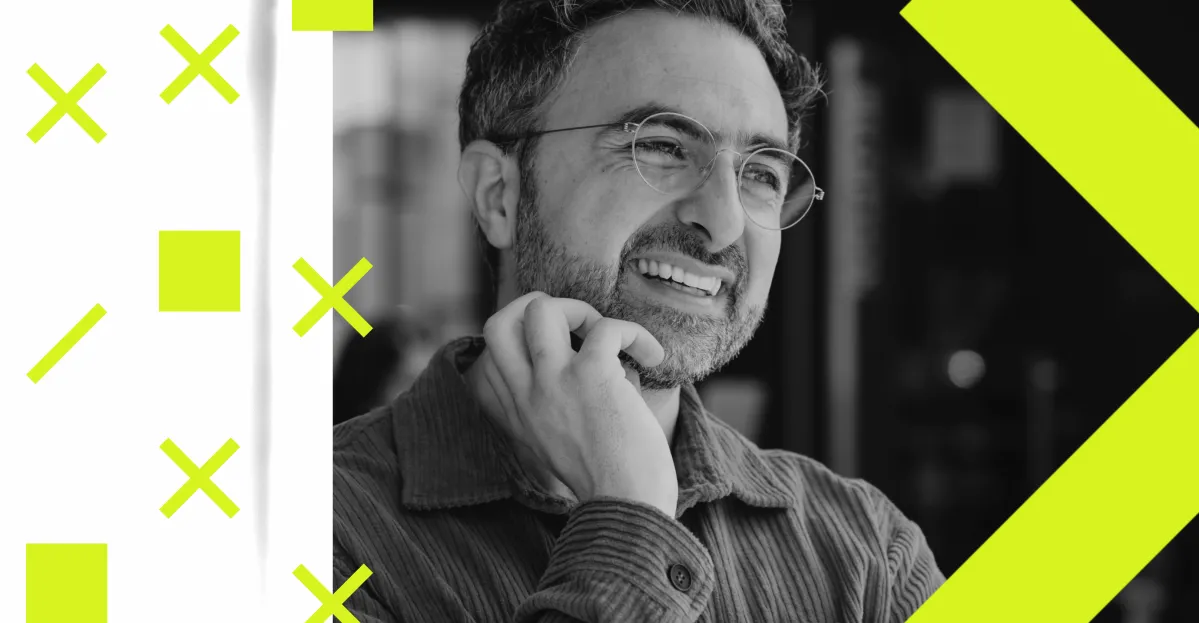
Mustafa Suleyman, chief executive of Microsoft AI, has outlined the company’s strategic shift towards independent frontier model development, citing a revised contract with OpenAI signed in October last year. The agreement allows Microsoft to pursue its own superintelligence research while maintaining its existing partnership with the artificial intelligence lab. Suleyman described the transition as a necessary evolution to ensure long-term sustainability, noting that Microsoft must be able to stand on its own two feet rather than remain structurally dependent on a third party for intellectual property.
The announcement coincided with the release of seven new models at the Microsoft Build conference, including the reasoning model MAI-Thinking-1. Suleyman stated that this new model scores 97 percent on the AIME benchmark and is on par with Opus 4.6. The company also unveiled MAI-Transcribe-1.5, which it claims is the most cost-effective and accurate transcription model among hyperscalers, alongside a coding model named CodeFlash. Suleyman emphasised that Microsoft deliberately avoided distilling these models from existing competitors to ensure the lab could build every component itself and push the frontier through original research.
Addressing concerns about the impact of automation on the workforce, Suleyman clarified his previous statements regarding white-collar jobs. He distinguished between tasks and jobs, asserting that while AI will automate specific sub-tasks such as email drafting or data synthesis, it will not necessarily eliminate entire roles. He argued that this efficiency will allow workers to focus on more creative and judgment-based activities, though he acknowledged that the broader landscape of work will continue to change over the coming decades.
Suleyman also defended Microsoft’s enterprise-focused strategy against consumer backlash, arguing that the value exchange for individual users is not yet clear enough to justify the societal costs of massive data centre expansion. He highlighted a new partnership with Mayo Clinic to co-train a foundation model for health, using the hospital’s longitudinal patient records. This initiative aligns with his view that technology should primarily serve to make people healthier and happier, rather than focusing solely on scientific discovery or consumer products that lack clear utility.
On the topic of artificial general intelligence, Suleyman provided distinct definitions for key terms. He defined AGI as the point where AI achieves parity with most humans at most things, while superintelligence involves exceeding human performance and discovering new knowledge. He described the singularity, characterised by recursive self-improvement, as a distant event likely decades away. He rejected the notion that current AI models possess consciousness, warning that anthropomorphising them is dangerous and counterproductive to ensuring these tools remain controllable and aligned with human interests.
