Micron market capitalisation surpasses $750 billion as AI demand reshapes memory sector
Major technology firms flag rising costs while Fitch cites improved revenue visibility from hyperscaler contracts
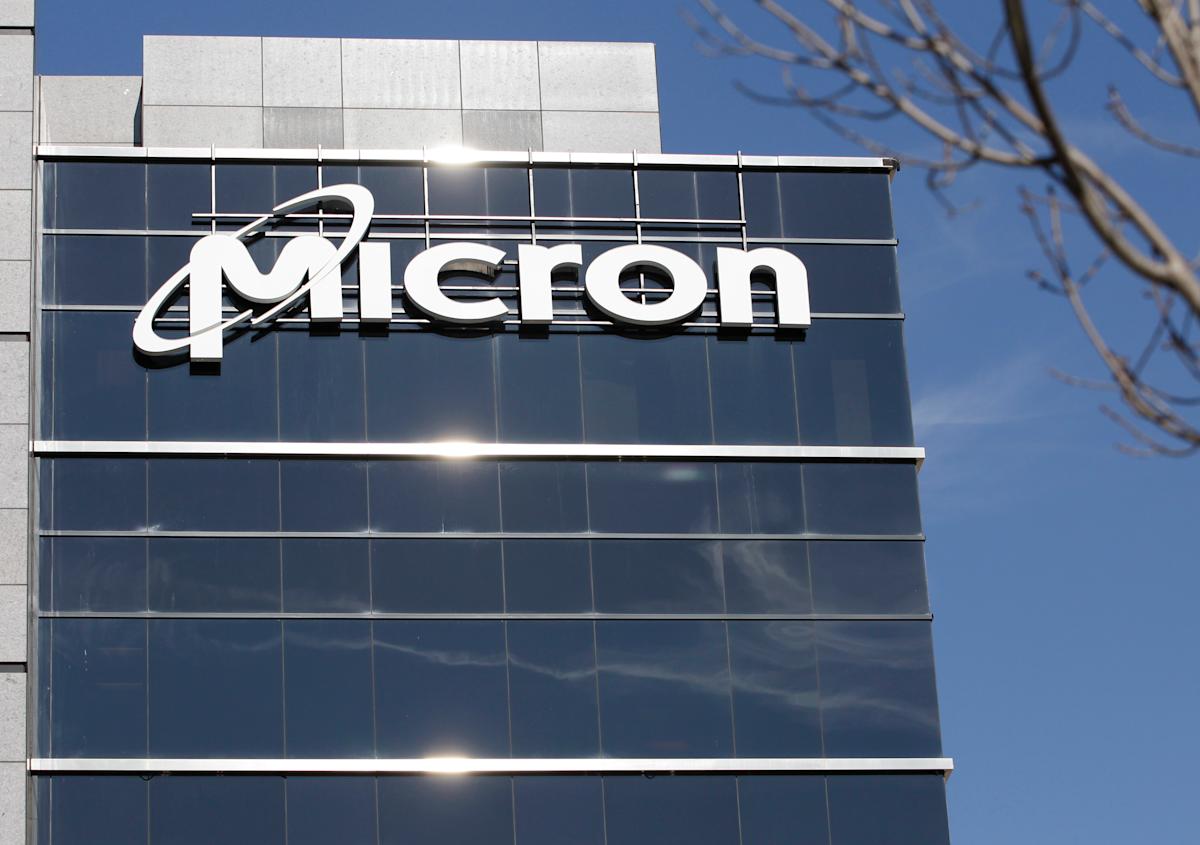
Micron Technology has pushed its market capitalisation above $750 billion following a 3 per cent gain in its share price on Wednesday. The rally marks a fourth consecutive record close for the memory chipmaker, driven by surging demand for storage solutions required to support artificial intelligence applications. This valuation milestone underscores the growing reliance on high-bandwidth memory as enterprise infrastructure spending accelerates.
The surge in value is underpinned by the company's recent commercial shipment of its largest solid-state drive, a product that utilises up to 82 per cent fewer server racks than traditional hard drives. This efficiency gain addresses the space constraints faced by data centres deploying AI workloads. Credit rating agency Fitch has also upgraded Micron's credit rating from BBB to BBB+ with a stable outlook, citing materially improved profitability and revenue visibility resulting from AI-driven demand from hyperscalers.
Validation of these supply constraints has come from major technology firms, including Meta, Microsoft, and Apple, which have flagged rising memory costs during recent earnings calls. These comments from industry leaders reinforce the tightness in the market for memory products essential for AI infrastructure. The sector is witnessing a broader rally, with peers such as Samsung Electronics seeing their market capitalisation exceed $1 trillion and Advanced Micro Devices reporting accelerating chip demand.
Analysts suggest the current cycle differs structurally from previous memory market expansions. John Vinh of Keybank Capital Markets noted that the rise of inference and agentic AI is shifting demand from one-time model training to continuous iteration and real-time output generation. This evolution is expected to sustain the demand cycle for significantly longer than past phases driven solely by model training.
Micron stock has risen 122 per cent year to date and 690 per cent over the past year, outpacing many of its peers. The company manufactures memory chips used in smartphones, AI servers, and data centres, positioning it at the heart of the current technological shift. This performance has helped drive the wider semiconductor rally as enterprise spending on infrastructure takes centre stage in the global economy.
While the market reaction remains broadly constructive, the specific timeline for when hyperscalers will fully convert their long-term supply agreements into realised revenue remains a variable. Additionally, the extent to which rising memory costs flagged by major tech firms will translate directly into sustained profit margins versus potential downstream pricing pressure on customers remains an open question for investors.