Meta’s Content Seal faces scrutiny over limited scope and detection failures
Reuters testing reveals significant detection gaps, while industry observers question why Meta developed a new standard when established alternatives like Google’s SynthID and C2PA Content Credentials already exist.
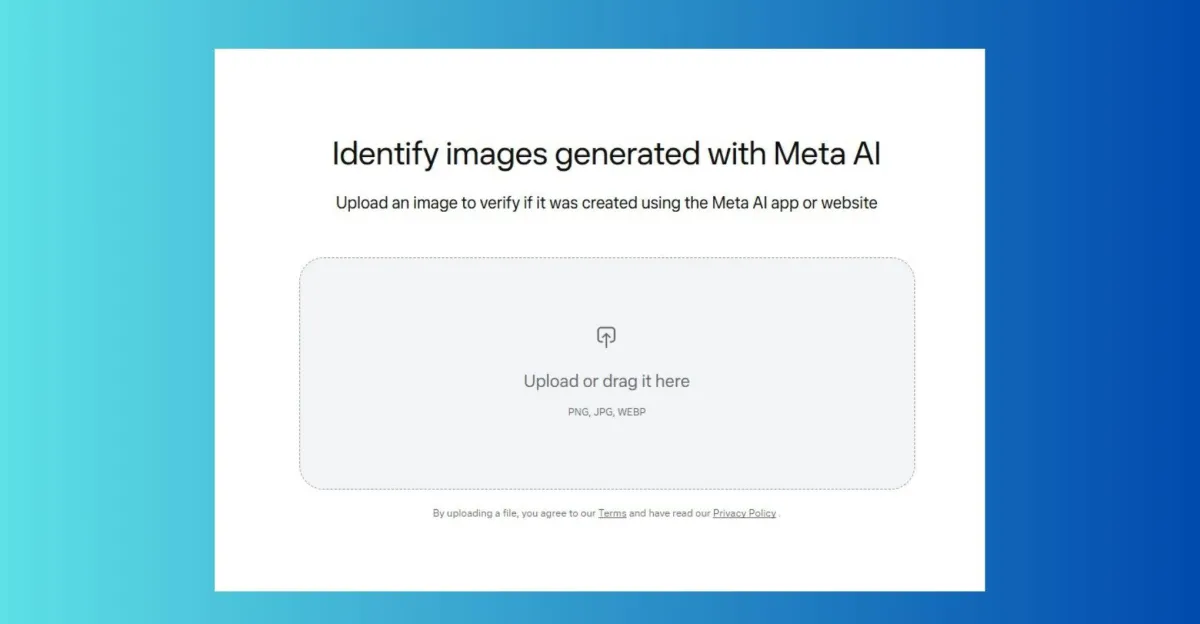
Meta has launched Content Seal, a proprietary invisible watermarking technology designed to flag images generated by its Muse AI model. The system embeds a hidden provenance signal into digital files, which Meta claims remains detectable even after common manipulations such as cropping, compression, resizing, or screenshots. The initiative follows a directive from Meta’s Oversight Board to employ tools that help quell the spread of deceptive generative AI content across its platforms.
Despite the technical ambition, the launch has drawn criticism for its limited applicability and perceived redundancy. Content Seal currently applies only to images created via the Muse model within the Meta AI app and Meta.ai website, excluding older AI models and video content. Furthermore, detection is restricted to a dedicated web tool being tested by Meta, which imposes a daily usage cap to prevent misuse, a restriction that contrasts with the unlimited verification capabilities offered by the C2PA Content Credentials standard.
Effectiveness concerns have also emerged. Testing by Reuters indicated that Content Seal failed to detect more than half of Muse-generated images after they had been cropped. This performance gap has led to questions regarding the necessity of a proprietary system when Meta is already a steering committee member of the Coalition for Content Provenance and Authenticity (C2PA) and when rivals such as OpenAI have already adopted Google’s established SynthID technology.
Meta spokesperson Faith Eischen stated that the company is exploring ways to bring detection capabilities closer to where users encounter content, potentially integrating the tool into the Meta AI chatbot in the future. Eischen also noted that unspecified metadata alongside Content Seal watermarking is being used on Facebook and Instagram to help users identify AI-generated material, though broader industry adoption on platforms like TikTok and LinkedIn remains unconfirmed.
The rollout coincides with mixed signals from Meta’s leadership regarding the role of AI content. Instagram head Adam Mosseri recently stated that while users should be informed if content is AI-generated, he does not believe such material should be filtered out of social feeds. This stance comes three years after Meta introduced AI labels to Instagram and Facebook, a move that previously faced backlash for mistakenly categorising real photographs as synthetic.
