Metalenz unveils invisible under-display facial authentication technology
The new Polar ID platform operates beneath OLED screens without notches or punch-holes, targeting mass production in 2027 and consumer release in 2028.
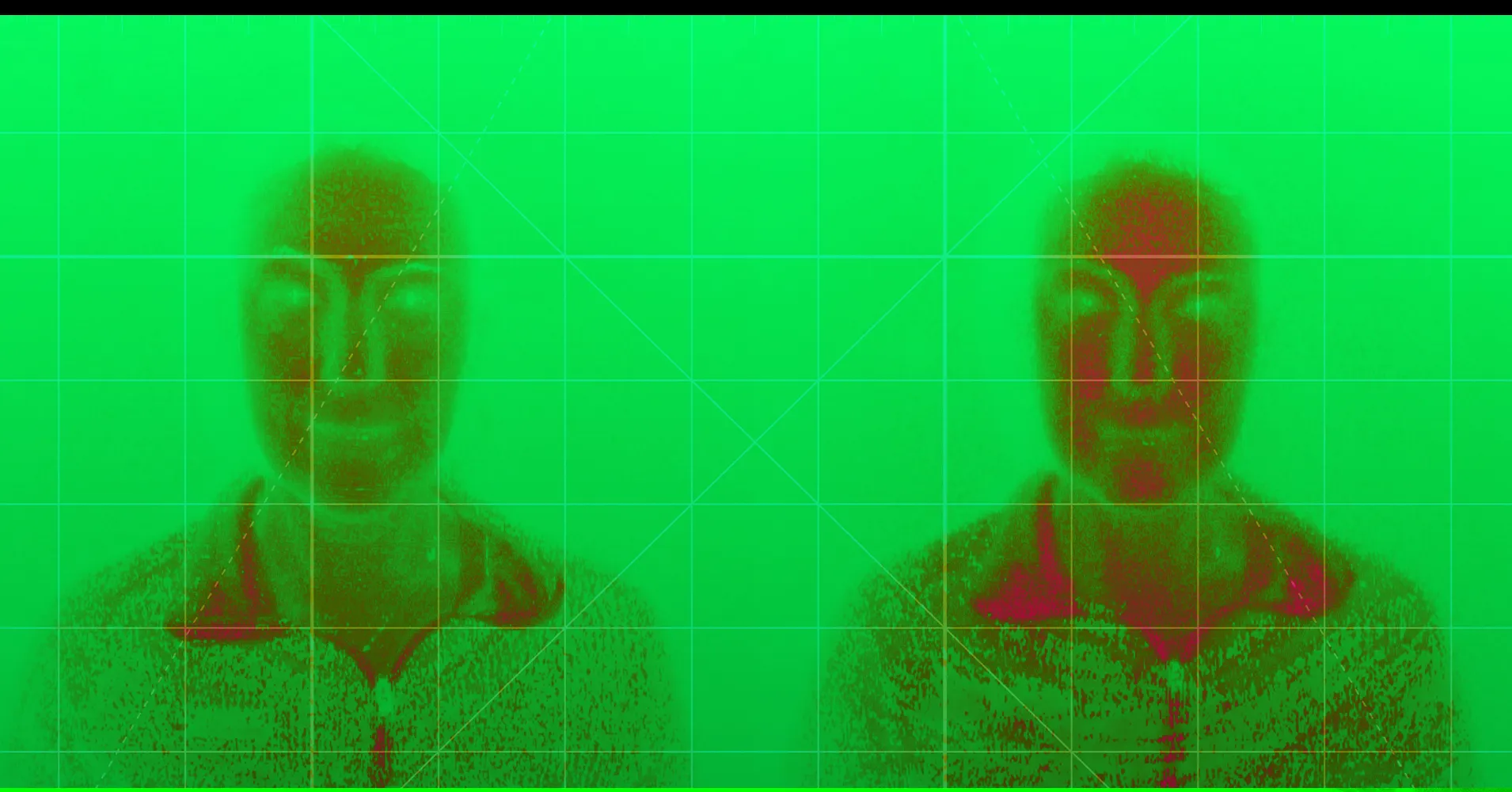
Boston-based optics startup Metalenz has announced the launch of its Polar ID facial authentication platform, a system designed to operate effectively beneath an OLED display. By utilising optical metasurfaces to capture unique polarisation data, the technology aims to provide enhanced security against 3D masks while eliminating the need for notches or punch-hole camera cutouts on smartphones and laptops.
The core innovation relies on the distinct polarisation signatures of light reflecting off human skin compared to materials used in high-fidelity masks. This capability allows the sensor to distinguish real faces from spoofing attempts even when positioned under a screen, addressing a significant security gap in current Android devices that often lack robust biometric authentication.
Following a partnership with Qualcomm announced in late 2023, the company has moved the technology from prototype to readiness for mass production. Metalenz CEO Rob Devlin confirmed that early conversations are underway with major smartphone manufacturers regarding integration, though specific partner names were not disclosed at this stage.
The system is scheduled for mass production in 2027, with the specific under-display variant expected to reach the consumer market in 2028. This timeline follows Metalenz's demonstration that its sensor can authenticate faces and detect masks effectively when hidden beneath an OLED layer, a feat not previously achieved with traditional TrueDepth systems.
This development addresses key limitations of previous under-display camera attempts, such as those experimented with by Samsung on Galaxy Z Fold devices, where image quality often suffered. Metalenz notes that while the display requires a thinned-out section to house the sensor, this integration should not affect overall panel quality or visual continuity.
The technology builds on Metalenz's existing use of flat-lens metasurfaces in over 300 million consumer devices for time-of-flight sensors and autofocus. By applying this to facial recognition, the startup aims to offer a seamless, uninterrupted screen experience that rivals the security standards of Apple's Face ID without the visual interruption of the Dynamic Island.
