Meta Unveils Own-Branded Smart Glasses at $299, Shifting Strategy from Ray-Ban Partnership
The tech giant’s latest hardware launch marks a departure from luxury eyewear branding, leveraging EssilorLuxottica manufacturing and Muse Spark AI integration to target mass-market adoption.
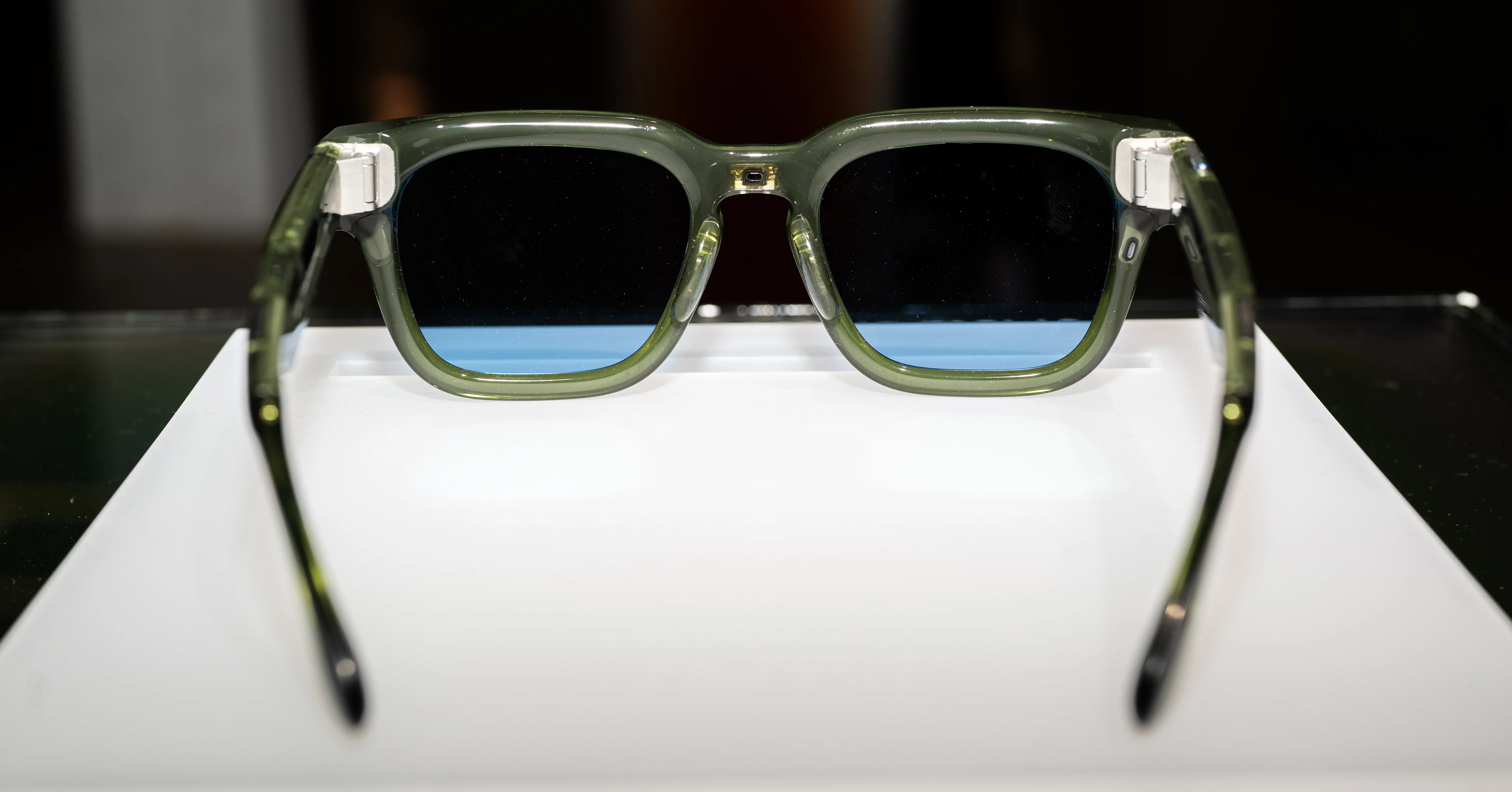
Meta has officially launched its first line of own-branded smart glasses, priced at $299, signalling a strategic pivot away from its previous partnership with Ray-Ban. The new collection comprises three distinct models: the Adventurer, the Fury, and the Starfire. This move is designed to establish a standalone product identity for Meta while significantly reducing the entry cost for consumers compared to the Ray-Ban Gen 2 generation released last year.
The devices are manufactured and distributed by EssilorLuxottica, allowing them to be sold through standard optical retailers such as LensCrafters. They support prescription lenses with a power range of -12 to +2.25, a critical feature for daily wear. Peter Bristol, Meta’s vice president of industrial design, described the approach as making the technology “good enough” for public transportation-style adoption, emphasising that accessibility and customisation are key to moving beyond niche early adopters.
Hardware specifications remain consistent with the previous Ray-Ban Meta Gen 2 generation. Each pair features 12-megapixel cameras, 3K video recording capabilities, and a five-microphone array for voice commands. The devices run on Meta’s Muse Spark multimodal model, which enables more natural conversation, smarter responses, and support for additional languages including Japanese, Chinese, Hindi, and Korean. Battery life is rated at approximately eight hours on a single charge, with the included case providing an additional 40 hours.
Comfort and fit were central to the design process, with Meta introducing adjustable nose pads that can be tilted in three directions, adjustable temple tips with a core wire, and overextension hinges to accommodate wider head shapes. The Starfire model, developed in collaboration with Kylie Jenner, includes unique aesthetic features such as a tiny gemstone on the lens, a metal nose pad to prevent makeup absorption, and an AI-generated voice assistant. A new charging stand is also available, allowing users to charge the glasses on a desk or bedside table without relying on the case.
Privacy concerns surrounding wearable cameras have been addressed through tamper-detection technology that blocks camera access if the LED indicator is interfered with. Meta has confirmed that facial recognition technology is not included in this release, following the deletion of related code after scrutiny by WIRED. Chief Technology Officer Andrew Bosworth acknowledged the competitive landscape, noting that the company is learning from industry responses to weight and comfort, while stressing that the primary goal is to integrate Meta AI seamlessly into users’ daily lives without requiring manual context input.
