Meta shifts 7,000 staff to AI units as it cuts 8,000 roles
HR head Janelle Gale notifies workforce of moves to four new AI organisations, while 10 per cent of staff face layoffs with severance packages.
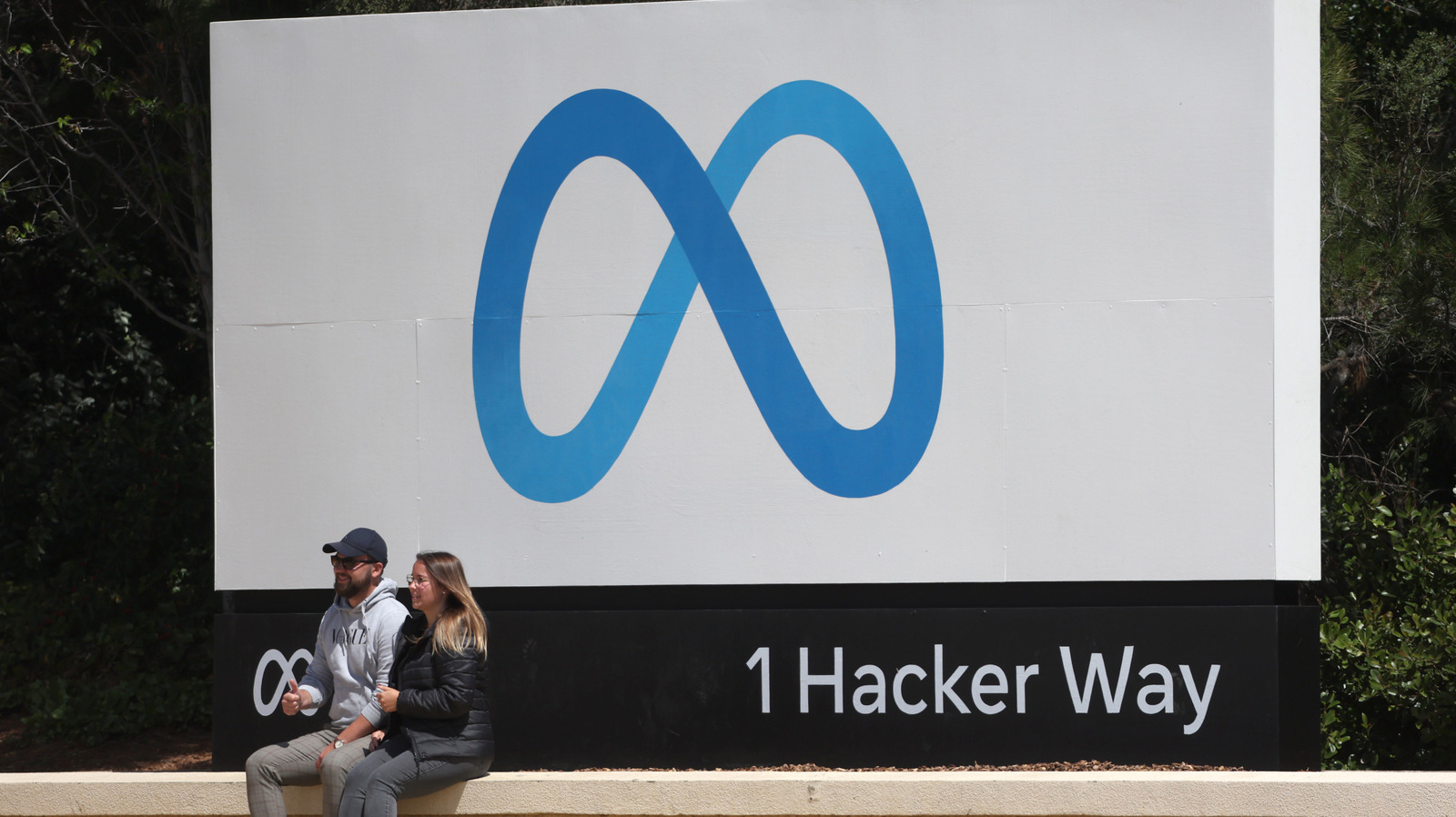
Meta is undertaking a significant structural overhaul, transferring 7,000 employees into four new artificial intelligence-focused organisations while simultaneously laying off 8,000 workers. The dual move, communicated via internal memo by HR head Janelle Gale, marks a decisive pivot in the company’s strategic focus from the metaverse to AI development.
The restructuring is designed to enhance productivity and reduce management layers. Gale stated in the memo that the new entities will utilise "AI native design structures" and operate with fewer hierarchical levels per employee. Affected staff were instructed to work from home on Wednesday, May 20, while awaiting further details regarding their new roles, although some transfers had already been completed prior to the notification.
Concurrently, the company is reducing its workforce by approximately 10 per cent. The layoffs, which affect 8,000 positions, will be accompanied by severance pay consisting of 16 weeks of salary, plus an additional two weeks for every year of service. This follows an announcement in late April where Meta outlined plans to cut 8,000 jobs and close 6,000 open positions to improve operational efficiency.
Capital allocation remains heavily weighted towards AI initiatives. Chief Executive Mark Zuckerberg told investors the company plans to spend between $115 billion and $135 billion this year, primarily on AI development. To support this infrastructure, Meta is constructing data centres with "tens of gigawatts" of capacity within this decade and has established a dedicated "superintelligence" team.
The shift represents a consolidation of resources after the metaverse failed to gain the anticipated traction. By the end of 2025, Meta’s workforce stood at approximately 78,000 employees. While the specific identities of the four new AI organisations have not been disclosed, the move aligns with a broader industry trend of redirecting capital from legacy projects to artificial intelligence capabilities.
