Meta Removes Dormant Facial Recognition Code from Smart Glasses App
The update to the companion app follows revelations that the dormant code was designed to convert facial photos into on-device biometric identifiers, raising further questions about data handling practices for devices manufactured with Luxottica brands.
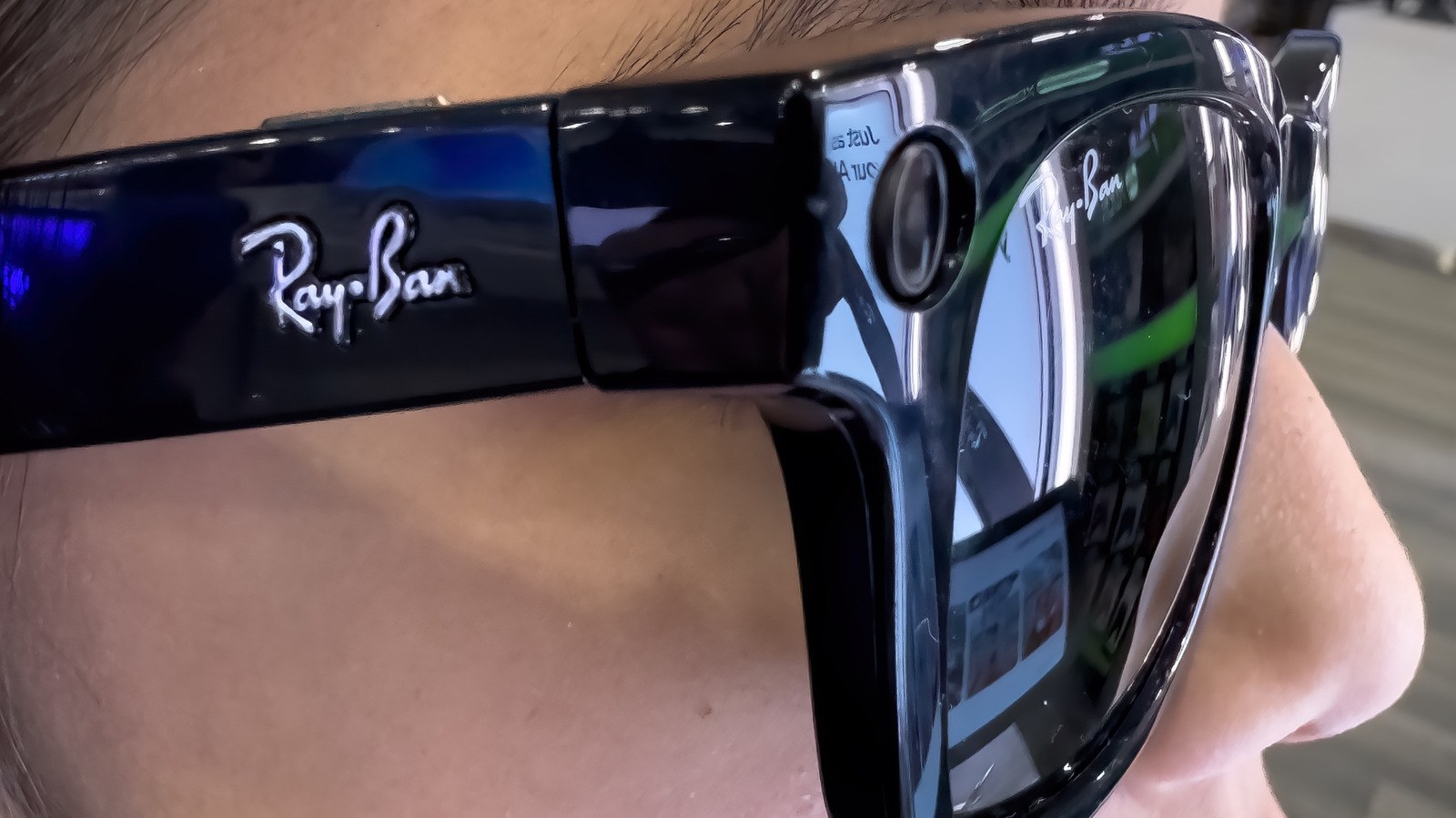
Meta quietly released an update to its smart glasses companion app on June 5, removing dormant facial recognition code that had been discovered by Wired the previous day. The code, internally dubbed 'Name Tag', was designed to convert photos of faces into biometric identifiers stored on-device and cross-reference them with new scans. Meta stated the feature was only a pilot effort and that no final decision had been made regarding its implementation.
The dormant code was discovered by Wired on June 4 while reviewing code for the Meta AI app, which handles core features of the glasses including Bluetooth pairing. The discovery occurred just one day before the code was removed via the June 5 update. Meta vice president of communications Andy Stone provided a statement to Wired on Monday confirming the pilot status of the feature.
The New York Times reported in February that Meta was working to bring facial recognition to its glasses, using the internal moniker 'Name Tag'. The workings of the tool suggest it might have been intended as a way for users to more easily identify people they had previously met, though the approach has been described as invasive. Most observers note that the prospect of a face-mounted camera ingesting likenesses raises significant privacy concerns for both device owners and those in their vicinity.
Meta smart glasses are manufactured in partnership with Luxottica brands, including Ray-Ban and Oakley. The technology has faced public scrutiny, with reports of manosphere-adjacent influencers using the devices to harass women. In December, a woman was accused of breaking a man's Meta glasses on the New York City subway.
In March, Meta faced a class action lawsuit following a Swedish newspaper investigation revealing that Kenyan workers reviewed footage from the glasses, including intimate moments and bathroom use, often without owners' knowledge. It is unclear if the code was ever activated or used to harvest data before its removal, and the extent of user awareness regarding the dormant code prior to Wired's report is unknown.
