Meta releases open-weight Glimmer model in push for personal superintelligence
The release of Muse Glimmer under an Apache 2.0 licence aligns with Mark Zuckerberg’s vision of offline, privacy-sensitive AI agents, while Meta retains control over its more powerful closed-weight Muse Spark model.
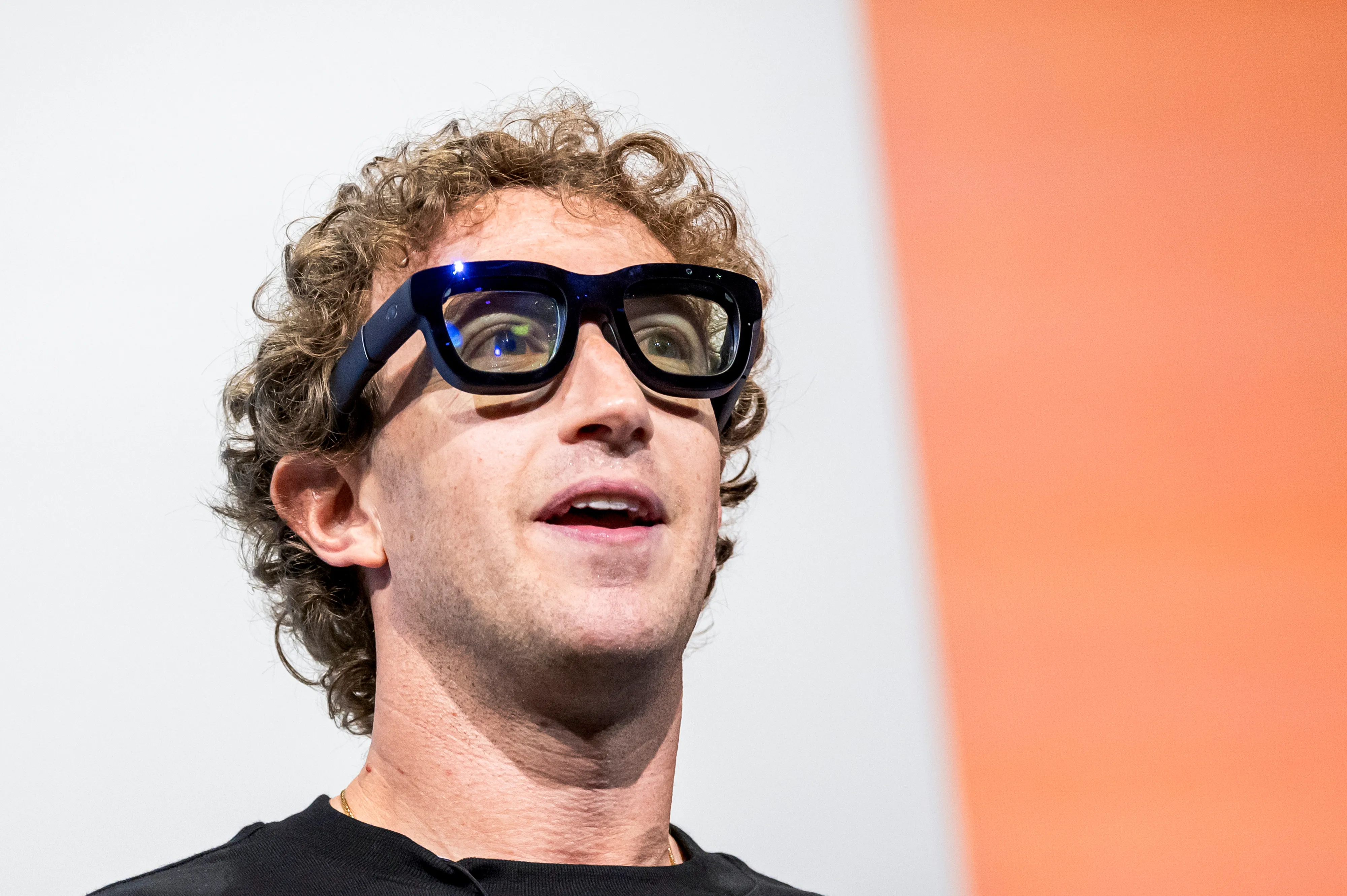
Meta has released Muse Glimmer, a 30-billion parameter open-weight artificial intelligence model designed to operate locally on consumer hardware. The release, announced on Monday, 10 August 2026, provides a practical framework for CEO Mark Zuckerberg’s concept of “personal superintelligence,” aiming to deliver privacy-sensitive AI tools that function offline on user devices rather than relying on cloud infrastructure.
Licensed under the permissive Apache 2.0 agreement, Glimmer supports text and image processing across more than 100 languages. It is engineered to run on a single consumer GPU in a Mac or PC environment. The model is intended to power personal AI agents capable of executing multi-step workflows, including scheduling, coding, file management, and interacting with screenshots or other local data sources.
The architecture allows the model to operate “always-on” and “anywhere, anytime,” with or without an internet connection. By processing data directly on the user’s device, Meta positions Glimmer as a solution for tasks requiring access to sensitive personal information, thereby reducing the need to transmit private data to external servers.
This launch follows the debut of Meta’s more powerful closed-weight model, Muse Spark, in April 2026. While Glimmer permits users to download, modify, and fine-tune the weights for local ownership, Meta retains exclusive control over Muse Spark. This distinction highlights a strategic divergence in Meta’s approach to AI distribution, separating widely accessible open models from proprietary advanced intelligence that remains under corporate control.
In a letter published on Monday, Zuckerberg reiterated his belief that advanced AI should empower individuals rather than remain concentrated within a few large companies. He outlined a vision where personal agents work 24/7 to improve relationships, health, career prospects, finances, and home management. Zuckerberg emphasised that the widespread distribution of such capabilities could usher in a new era of personal empowerment, provided that safety concerns are managed carefully as models increase in power.
The release underscores the emerging divide between AI tools that users can own and those that remain proprietary. While Glimmer offers an early indication of the line Meta intends to draw between open and closed systems, the company continues to balance its commitment to open access with the retention of its most potent proprietary models.
