Meta introduces free human verification on Facebook to counter AI scams
The tech giant launches a free identity confirmation badge across Marketplace and Dating, marking a strategic shift in its approach to platform security and user trust.
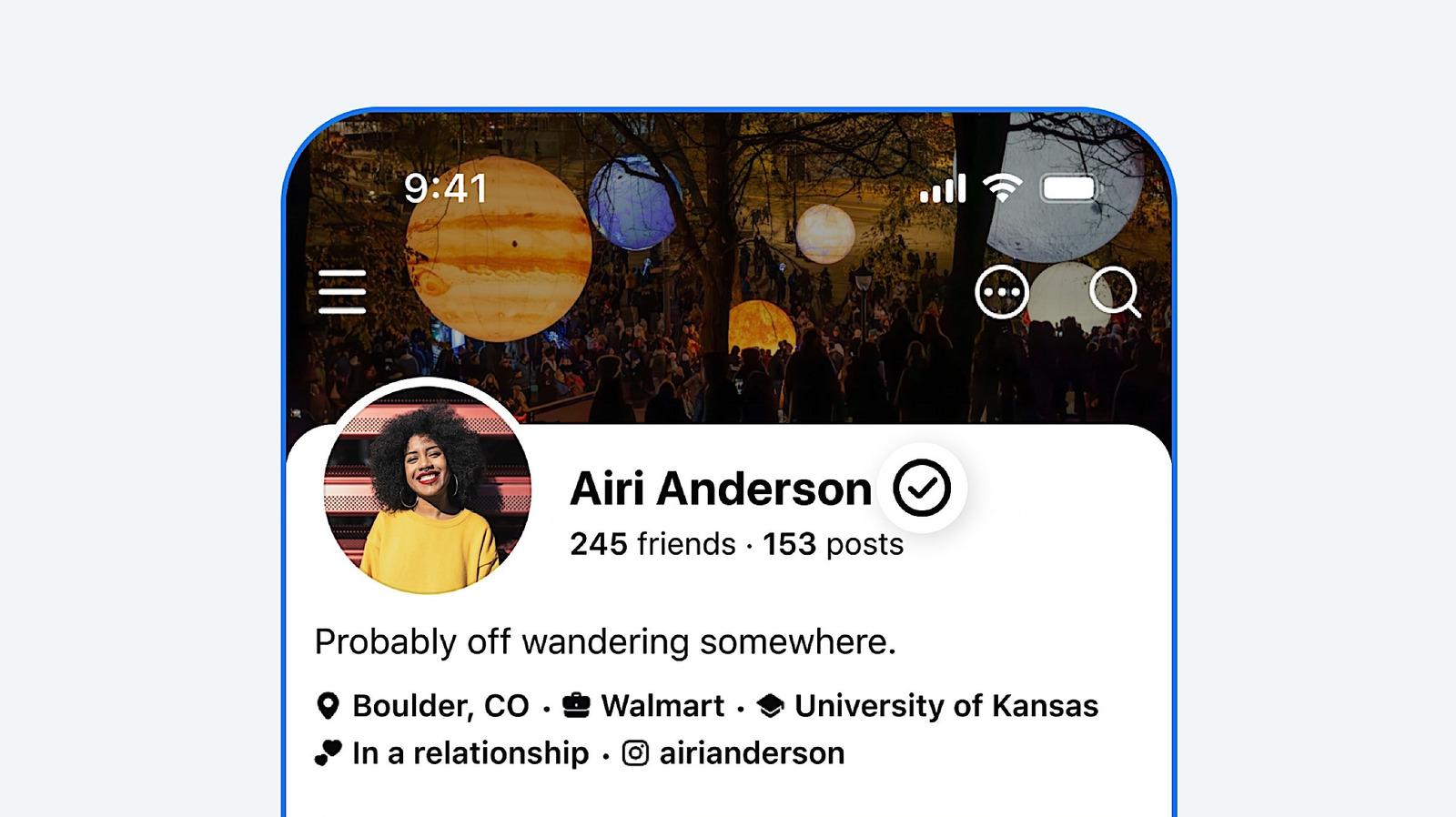
Meta has launched a free verification badge on Facebook designed to confirm that users are real humans, a move distinct from its paid Meta Verified subscription service. The initiative utilises facial recognition technology, requiring users aged 18 and over who are in good standing with community standards to submit a selfie that is checked against existing profile images. This process is intended to take only a few minutes, offering a streamlined method for identity confirmation in response to the rising volume of AI-generated scams.
The verification badge will appear across various Facebook services, including Marketplace and Dating, serving strictly as identity confirmation rather than an endorsement of trustworthiness or a guarantee of user safety. This distinction is critical as the platform seeks to combat bad actors who are increasingly using generative AI tools to create fake profiles complete with realistic images, photos, and backstories, often used to send automated messages at scale. Unlike the previous paid verification tier, this new feature is entirely free of charge and is not available for Pages or ProMode accounts.
The rollout begins in select markets from Monday, with plans for global expansion following the initial phase. This launch coincides with other significant platform updates, including a test of a full-screen, immersive video interface for a subset of users. The new video experience, which aims to emulate the format popularised by rival platforms, includes an opt-out option to revert to the standard feed-first interface, a concession likely made to mitigate potential user backlash seen during previous aggressive changes to the base Facebook experience.
This strategic pivot occurs against a backdrop of historical scrutiny regarding Meta’s use of biometric data. The company has previously faced legal settlements and public pushback concerning facial recognition technology, particularly within its smartglasses division. Despite these past challenges, Meta has chosen to deploy facial recognition for this new verification system, highlighting the perceived urgency of addressing fraud facilitated by artificial intelligence.
The move reflects a broader trend in Meta’s efforts to adapt to shifting user behaviours and competitive pressures. Similar to its launch of Reels for Instagram in 2020 and the introduction of dedicated apps for Marketplace sellers and community forums earlier this year, the new verification and video features represent an attempt to retain user engagement and foster commerce within its ecosystem. The specific criteria for being "in good standing" with community standards and the exact list of initial markets remain unspecified in the current announcement.
