Meta clarifies data handling for Ray-Ban smart glasses amid privacy scrutiny
The technology giant confirms that media remains on-device unless cloud storage is enabled, while voice interactions for US users are now stored by default to improve AI accuracy.
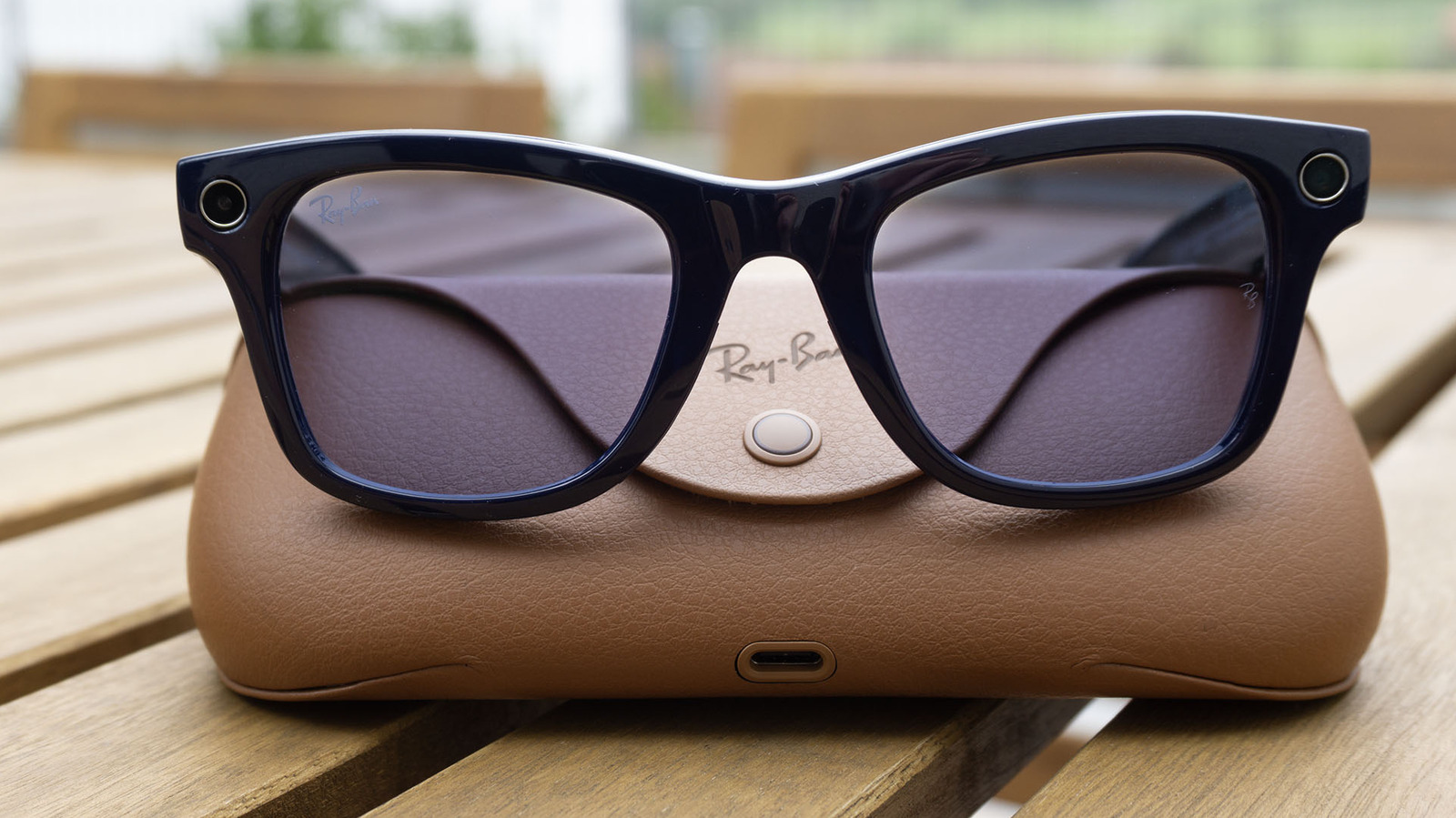
Meta has confirmed that media captured by Ray-Ban Meta smart glasses remains stored on the user’s device unless cloud storage is explicitly enabled, in which case files are retained on servers for 30 days. The company states it does not utilise photo or video content for advertising purposes or to train its artificial intelligence systems, regardless of cloud settings. However, the use of camera-based AI features necessitates the storage of images and the involvement of third-party contractors to review them for system improvement.
Voice interactions are also recorded and transcribed by default for users in the United States, with human reviewers employed to enhance accuracy. While an LED indicator signals recording, aftermarket accessories and DIY modifications exist to bypass this feature, prompting Meta to release software updates that disable the camera if tampering is detected.
According to a Meta spokesperson, media stays on the user’s device unless individuals choose to share it or opt into cloud storage. Cloud media is an optional setting but is required for certain functionalities, such as sharing photos and videos via voice commands and the autocapture feature. Deleting an image from the gallery in the Meta AI app also removes it from the company’s cloud servers.
The use of camera-based AI features, such as Live AI, involves the glasses snapping a photo for the assistant to analyse. These captures are stored by Meta and reviewed by third-party contractors to train AI systems. Meta states it takes steps to filter data to protect privacy and prevent identifying information from being reviewed, though reports indicate contractors have accessed sensitive footage.
For US users, the option to opt out of having voice recordings and transcripts stored in the cloud has been removed, although EU users retain this option due to stricter regional privacy laws. Meta uses both machine learning and trained reviewers to process these recordings, noting that human assessment helps improve the accuracy of Meta AI over time.
The company also addresses accidental audio recordings, or "false wakes," which are labelled and removed from systems within 90 days. Users can manually delete these recordings, as well as intentional interactions, via the voice activity log in the Meta AI app. Meta has issued software updates that disable the camera if physical tampering with the LED indicator is detected, and Instagram has banned users who post videos of themselves harassing others while wearing altered glasses.
