Messi’s tactical recalibration ahead of Argentina-England semi-final
As Argentina prepares to face England in the World Cup 2026 semi-finals, data reveals a significant evolution in Lionel Messi’s role, prioritising creative output over physical exertion.
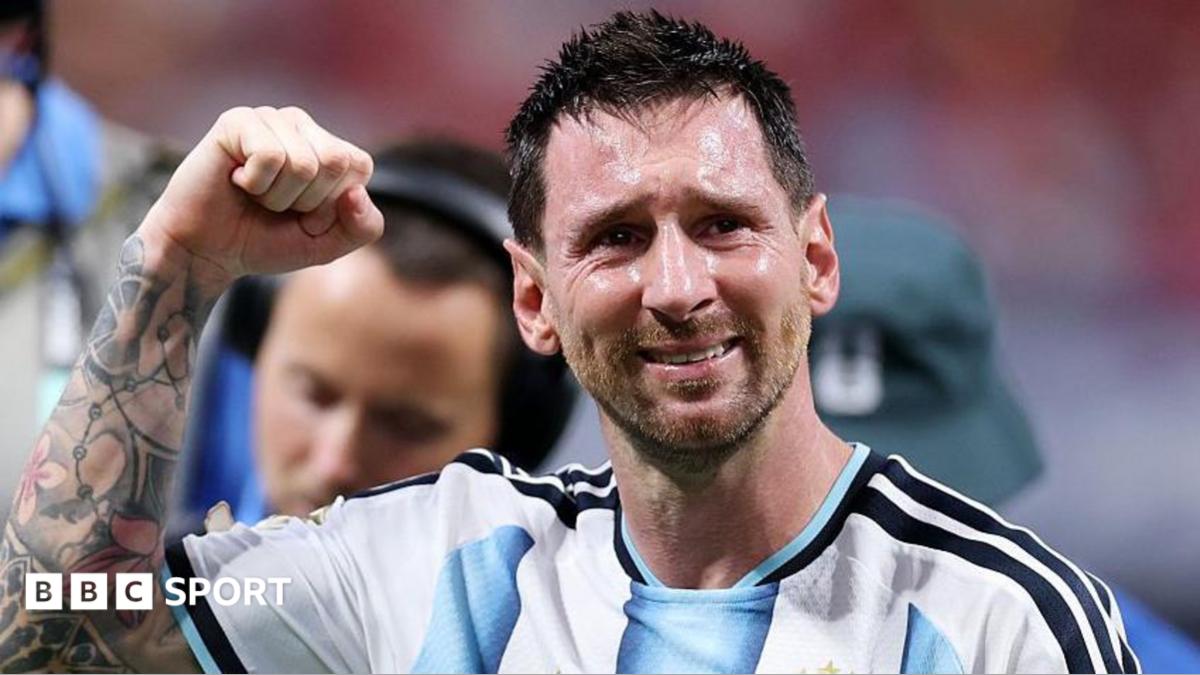
Lionel Messi, aged 39, is preparing for Argentina’s World Cup 2026 semi-final against England, scheduled for Wednesday at Atlanta Stadium (20:00 BST). Argentina aims to defeat England to reach their third World Cup final, with the ultimate goal of becoming the first nation since 1962 to successfully defend their World Cup title. The 39-year-old has adapted his playing style to conserve energy, walking 47% of the distance he covers, the highest percentage among all outfield players in the tournament.
Despite reduced movement, Messi has averaged the shortest distance of any Argentina outfield player (8.2km per 90 minutes) and just 2.7 sprints per match (down from 5.3 in 2022). He has registered 33 shots and created 21 chances, totaling 54 combined actions, the highest since Diego Maradona in 1986. This evolution from a dynamic winger to a central playmaker and 'enganche' highlights his ability to reinvent himself across different tactical eras.
The match marks a renewal of the historical rivalry between Argentina and England. England must replicate the feat achieved only by Poland in Messi’s past 15 World Cup appearances: preventing him from scoring or assisting. Messi has 16 goals and seven assists in those 15 games, and he leads the Golden Boot race alongside France’s Kylian Mbappé with eight goals and three assists in the current tournament.
This is Messi’s sixth World Cup, a joint record with Cristiano Ronaldo and Guillermo Ochoa. His performance metrics suggest a strategic shift from physical dominance to tactical control, a move that has allowed him to maintain high creative output despite the physical demands of the modern game. The data indicates that his value to the team is now measured more by decision-making and spatial awareness than by distance covered.
The tactical evolution reflects broader trends in player management and longevity in international football. By reducing sprint frequency and increasing walking distance, Messi has extended his effectiveness at the highest level. This approach challenges traditional metrics of player performance, which often prioritise physical exertion over creative contribution.
Argentina’s path to a third final depends on maintaining this balance between conservation and creativity. The team must support Messi’s new role, providing the defensive structure that allows him to focus on initiating attacks. The semi-final against England will test whether this recalibrated strategy can overcome the physical intensity of the English side.
The outcome of this match will also determine Argentina’s chances of becoming the first nation since 1962 to retain the World Cup. Messi’s ability to adapt his game over two decades has been central to Argentina’s recent successes, including their 2022 victory. The semi-final represents a critical juncture in his career and the team’s ambitions.