Mercor co-founder accuses Sequoia of dual-pricing valuation tactics
Sequoia partner Shaun Maguire defends the practice as a market reality, while experts warn that 409A valuations often fail to protect employees from inflated equity perceptions.
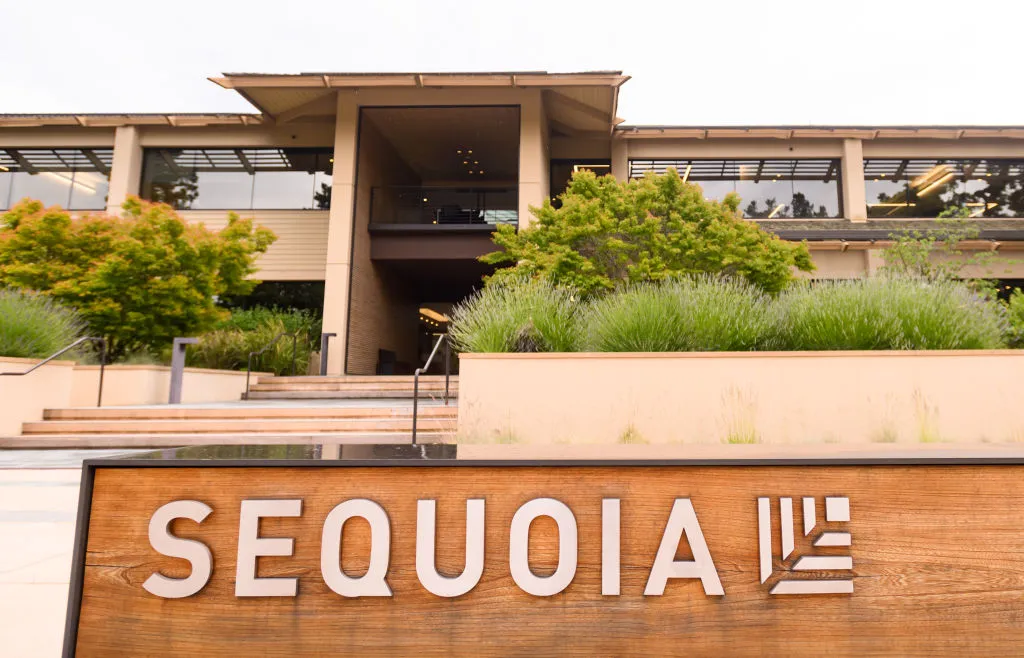
Brendan Foody, co-founder of AI talent platform Mercor, has publicly criticised Sequoia Capital for employing a 'dual-pricing' strategy where the firm invests in separate tranches at significantly different valuations. Foody alleges that this practice misleads employees and angel investors by inflating the headline valuation. Sequoia partner Shaun Maguire defended the tactic as a market reality rather than deception, noting that the firm often pays less than competitors for hot deals. The article notes that while 409A valuations are intended to set fair employee option prices, they often skew low, leaving angel investors vulnerable to inflated figures shared by founders.
Foody stated on X that he has witnessed a half-dozen rounds in the last six months where Sequoia utilised this two-tranche structure. Specific examples cited include Serval, an AI-driven IT helpdesk startup, where the company announced a $1 billion Series B valuation, but Sequoia’s lowest entry point was valued at $400 million, according to The Wall Street Journal. Another example is Aaru, an AI market research simulator, where lead investor Redpoint backed the company at a $450 million valuation despite a $1 billion headline price.
Shaun Maguire responded to the allegations, denying any deceptive intent and describing the practice as a market reality where the firm pays less than competitors for hot deals. Maguire noted that during his seven years at Sequoia, he has observed this behaviour approximately five times. He explained that other investors are often willing to pay a high price for a hot company, usually in the AI sector, at multiples above what Sequoia is willing to pay. This leads to two tranches at different valuations in close succession, decoupling the company-building relationship from the capital investment.
Jason Woo, a partner at Armanino, clarified that employee stock options should theoretically be priced based on the blended value of all tranches via 409A appraisals. However, these appraisals often skew low. Because a lower strike price means a smaller tax bill for the company, there is a structural incentive to keep that number down. The appraisal that is supposed to protect employees from an inflated headline valuation is also, by design, not trying particularly hard to reach the top of the range.
The angel question is more complicated. Unlike employees, angels are writing checks, not receiving options. There is no independent appraiser standing between an angel investor and whatever number a founder chooses to share. The dual-pricing structure is just one of way VCs and founders game the perception of success in a hyper-competitive market. Another, more pervasive tactic involves manipulating or outright overstating annual recurring revenue (ARR). The VC Niko Bonatsos, a longtime veteran of General Catalyst who more recently founded Verdict Capital, addressed this issue during one of TechCrunch’s events in Athens last month. “We [at Verdict] mostly invest before metrics, before product, before the company [has fully taken shape] but I do have a past portfolio, and sometimes the conversations are telling. I’ll get a call or an email with a very high ARR number. I’ll think: I didn’t remember that company doing so well. So I reach out to the founder: ‘What happened? Why are the numbers so strong?’ And the answer is: ‘Oh yeah, it’s 365 times the revenue we made yesterday because one of our campaigns hit.’ So yeah, some of these terms have lost meaning.”
Foody declined to comment further. Sequoia didn’t immediately respond to a request for comment. — With additional reporting from Connie Loizos
