Mastercard shares surge 12,000% since 2006 IPO as firm pivots to digital infrastructure
A $10,000 investment in Mastercard at its initial public offering would be worth approximately $1.2 million today, outperforming most peers in the S&P 500.
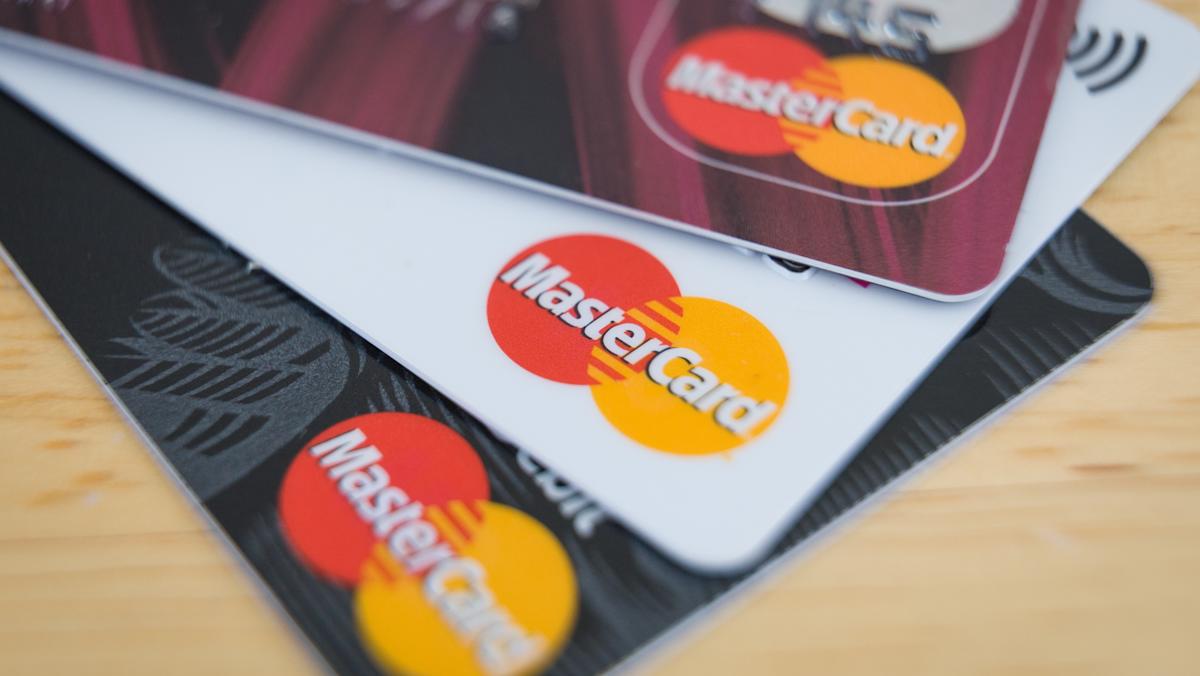
Mastercard stock has climbed nearly 12,000% since its initial public offering in May 2006, transforming a hypothetical $10,000 investment with reinvested dividends into approximately $1.2 million. Among companies listed in the S&P 500 at the time of the offering, only Nvidia and Apple have delivered superior returns over the same period. The performance underscores a significant shift from a bank-owned cooperative model to a high-margin digital infrastructure provider, with operating margins regularly exceeding 50% in recent years.
The company’s growth trajectory was initially driven by cash displacement, as consumers moved from bills and checks to electronic payments. This trend accelerated with the rise of e-commerce, smartphones, and contactless technology. Prior to the IPO, Mastercard operated with artificially low fees and faced litigation over swipe fees. Post-listing, the firm adjusted its economic model by raising prices, controlling expenditure, and expanding into higher-margin segments including cybersecurity, fraud prevention, analytics, and identity verification.
Despite its historical reliance on physical cards, leadership indicates a strategic pivot toward invisible digital infrastructure. Mastercard Chief Product Officer Jorn Lambert recently stated that future payments will probably not be on cards. The company is increasingly focusing on underlying payment rails, aiming to facilitate transactions regardless of whether they occur via traditional credit networks, blockchain systems, or real-time bank transfers.
Current market dynamics present new challenges, with potential disruptors including artificial intelligence agents, stablecoins, and digital payment platforms. However, analysts remain optimistic about the firm’s adaptability. Tigress Financial recently raised its share price target for Mastercard from $685 to $730, maintaining a Strong Buy rating. The firm cited the company’s ability to migrate from cash to digital payments and its focus on infrastructure as key factors supporting the positive outlook.
The long-term success of Mastercard offers insights for investors regarding infrastructure ownership and corporate evolution. The company’s ability to navigate regulatory pressures, litigation, and technological shifts has allowed it to compound value by owning the systems that move money globally. As the financial landscape continues to evolve, the firm’s expansion into digital services positions it to capture value from emerging payment methods beyond the traditional card network.