Marvel’s Wolverine earns praise for Logan, but its combat wears thin
The Guardian praises Liam McIntyre’s conflicted Wolverine and Insomniac’s polished character work, while faulting repetitive battles, restricted exploration and a linear story.
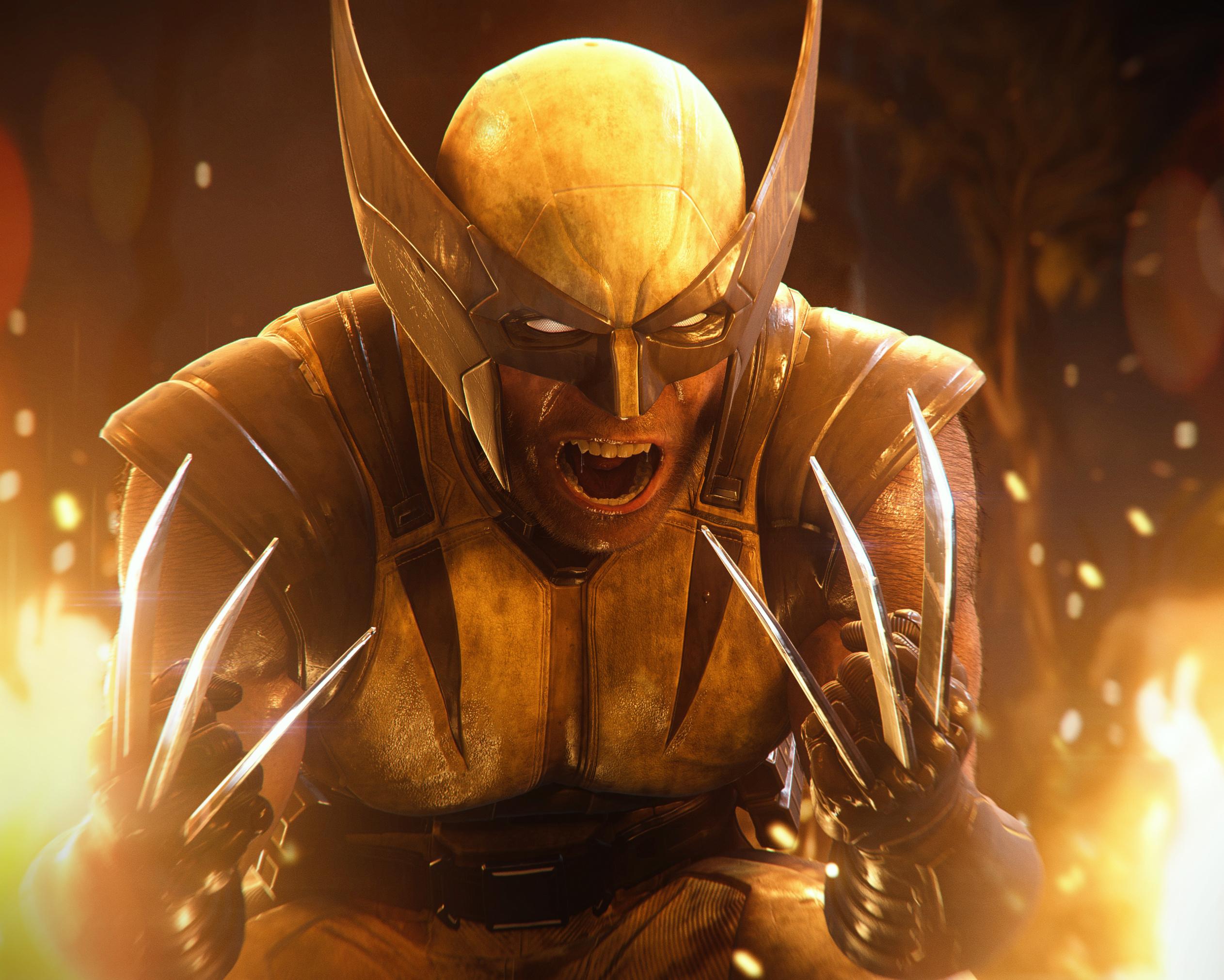
The Guardian’s review of Insomniac Games’ Marvel’s Wolverine finds a technically polished PlayStation 5 adventure that does not fully match the imaginative freedom of the studio’s Spider-Man games. The review praises Liam McIntyre’s portrayal of Logan and the game’s exquisite character art, but argues that its combat and structure limit its impact.
Set before the founding of the X-Men, the story follows a disenfranchised Logan alongside Sabretooth and Mystique after their mentor, Nathaniel Essex, is kidnapped by Bolivar Trask. The review describes the premise as a promising mix of violence, intrigue and tension, but says the narrative and emotional arcs have notable lapses.
Wolverine’s combat offers dodges, parries, shred and leap attacks, special moves, upgradeable DNA strands and a three-stage rage meter. The Guardian says the fights feel smooth and empowering, yet rarely require experimentation. Repeated encounters and familiar boss battles eventually turn the claw-based action into a chore.
The game is also described as mostly linear, moving between set pieces rather than opening into the kind of explorable world seen in Insomniac’s Spider-Man titles. Even richly detailed locations such as Madripoor and Tokyo are presented as restricted spaces, with closed roads and invisible barriers steering players back towards the main action.
Logan himself is the review’s strongest element. McIntyre’s performance, alongside the animation and character art, brings out a flawed hero capable of both brutality and vulnerability. His rivalry with Sabretooth and relationship with Jean Grey are praised as involving, although players have little interactive influence over those relationships or the wider story.
The review also questions the game’s treatment of Wolverine’s trauma, saying that lore about his past is unlocked through timed parkour challenges and battles against enemy waves. Despite calling the climax a technical marvel and suggesting the game will appeal to Wolverine fans, The Guardian concludes that its promise of rage and emotional force remains just out of reach.