Markets rally on Iran peace hopes as oil and dollar slide
Global stocks hit record highs and Brent crude fell 5% as investors priced in a potential Strait of Hormuz reopening, though caution remains over the timeline for a formal deal.
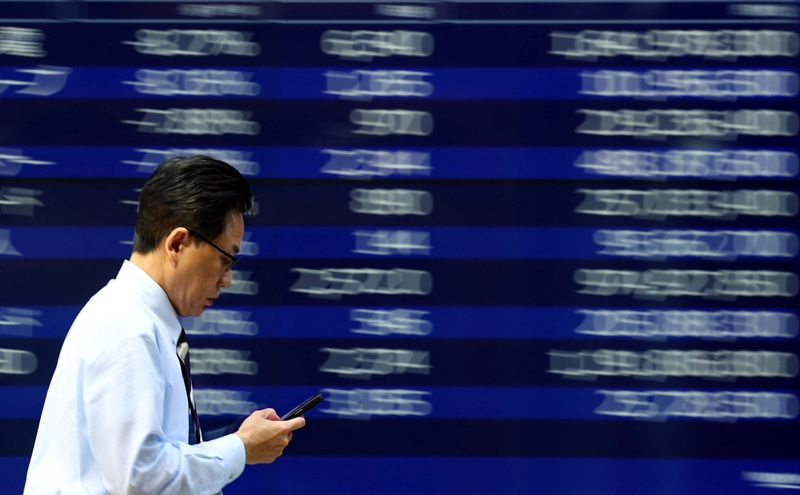
Global equity markets surged on Monday, buoyed by prospects of a diplomatic resolution to the conflict between the United States and Iran, while the U.S. dollar and oil prices retreated. The pan-European STOXX 600 rose 0.7%, Nasdaq futures climbed 1.4%, and Asian indices including Japan’s Nikkei hit record highs. Brent crude oil dropped approximately 5% to $98.73 a barrel, and the U.S. dollar weakened against the euro and yen.
The rally was driven by reports that Washington and Tehran have largely negotiated a memorandum of understanding to reopen the Strait of Hormuz, a critical shipping route that has been effectively shut since the conflict began on 28 February. However, enthusiasm was tempered by uncertainty regarding the timing of the reopening. U.S. President Donald Trump stated on Sunday that he had instructed his representatives not to rush into a deal, and his administration played down hopes of an imminent breakthrough.
Iran’s foreign ministry spokesperson clarified on Monday that while many topics had been agreed upon, this did not mean Tehran was close to signing a peace deal. Chris Weston, head of research at Pepperstone, noted that markets have become less focused on the timing of a resolution and are instead monitoring the tone of headlines, which have been consistently towards some sort of resolution.
Despite the optimism, underlying inflation concerns linked to energy prices have reshaped the global rates outlook. Markets are now pricing in a Federal Reserve rate hike in January 2027, a sharp shift from expectations before hostilities erupted in late February when two rate cuts were anticipated. The 30-year Treasury bond yield briefly touched its highest level since July 2007 last week before pulling back.
Data on Friday showed U.S. consumer sentiment fell to a record low in May, linked to surging gasoline prices. Kevin Warsh was sworn in as chair of the Federal Reserve just as these affordability concerns intensified. Bruno Schneller, managing partner at Erlen Capital Management, said this creates a difficult balancing act for the central bank, as consumers feel the pinch of higher financing costs while inflation remains high.