Markets rally as Trump and Xi conclude Beijing summit with limited substantive outcomes
The first US presidential visit to China since 2017 yielded an institutional framework for managing relations, but deep differences on Taiwan, Iran, and AI remain unresolved despite a positive market reaction.
US President Donald Trump and Chinese President Xi Jinping concluded a two-day summit in Beijing on 15 May 2026, marking the first visit by an American president to China since 2017. The leaders, accompanied by a delegation of major technology executives including Elon Musk, Tim Cook, and Jensen Huang, discussed trade, artificial intelligence, and tensions in the Strait of Hormuz. Despite the diplomatic engagement, no major commercial agreements were finalised during the talks.
Post-summit statements revealed significant divergences in how the two nations characterised the outcomes. The White House emphasised trade agreements in its release, while Chinese narratives focused on a new vision for "strategic stability" in bilateral relations. Both leaders issued statements highlighting this concept, yet the texts diverged significantly on specific economic and security outcomes, suggesting little concrete progress was achieved on the core agenda items.
Deep differences remain unresolved regarding Taiwan and Iran tensions. The summit highlighted the complex interplay between US security concerns in the Middle East and China’s strategic interests, particularly concerning the Strait of Hormuz. While an institutional framework for managing relations was established between the two nations, the specific details of this framework have not been fully disclosed, leaving the long-term impact on bilateral relations uncertain.
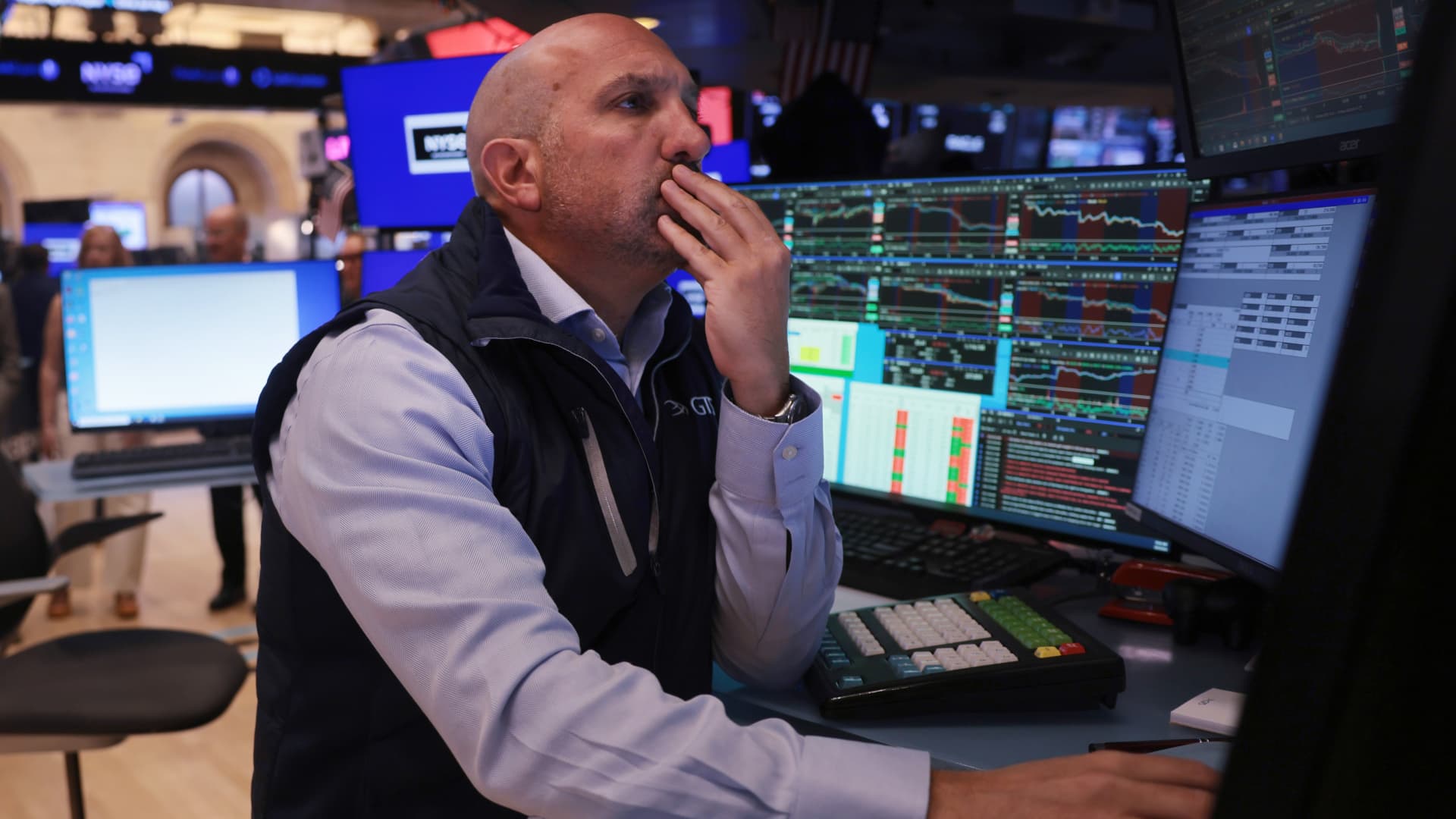
Despite the limited substantive outcomes and the lack of major deals, financial markets rallied following the conclusion of the event. Nvidia shares surged by more than 2% following the approval of a chip sale, contributing to a broader positive sentiment. The Dow Jones Industrial Average was noted as a relevant market indicator during the event, reflecting investor optimism despite the diplomatic stalemate on key issues.
The extent of actual progress on trade, Taiwan, Iran, and artificial intelligence remains unclear due to these conflicting narratives. While the establishment of a management framework for relations is a procedural step, the absence of resolved disputes on high-stakes geopolitical and technological issues suggests that the summit served more as a mechanism for dialogue than a breakthrough in US-China relations.