Markets price in Fed hold as Kevin Warsh takes helm amid White House pressure
Kevin Warsh assumes leadership of the US central bank as financial markets discount the likelihood of immediate monetary easing, diverging from President Donald Trump’s public demands.
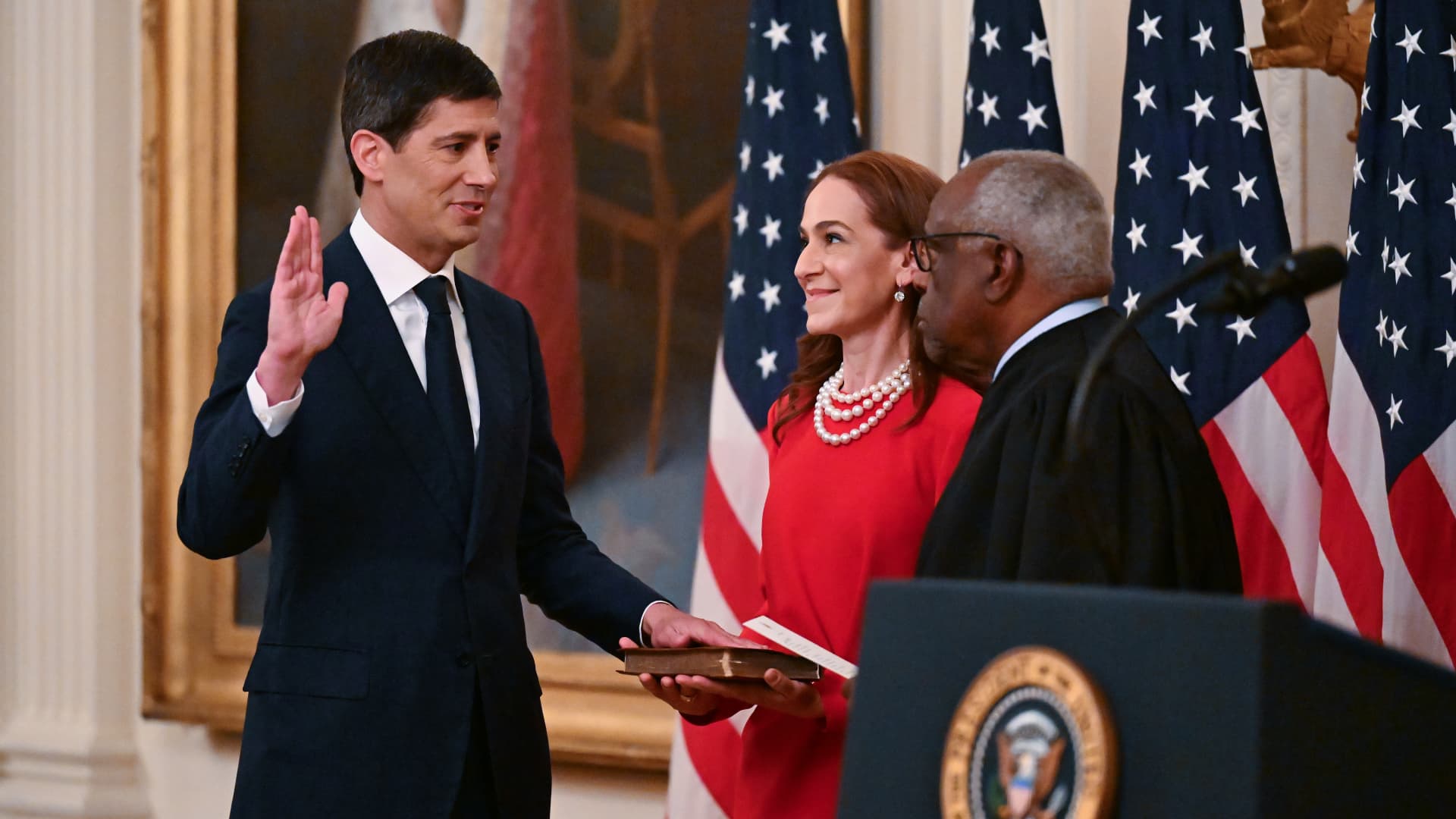
Kevin Warsh has been officially sworn in as the chair of the Federal Reserve, marking a significant transition in US monetary policy leadership. His confirmation follows the recent closure of a criminal probe by the US Department of Justice into former chair Jerome Powell, a development that removed a potential legal hurdle to his appointment.
The Justice Department inquiry had focused on cost overruns associated with renovations at the Federal Reserve’s headquarters in Washington. The conclusion of this investigation cleared the path for President Donald Trump’s nominee to assume control of the central bank, ending a period of uncertainty regarding the institution's governance.
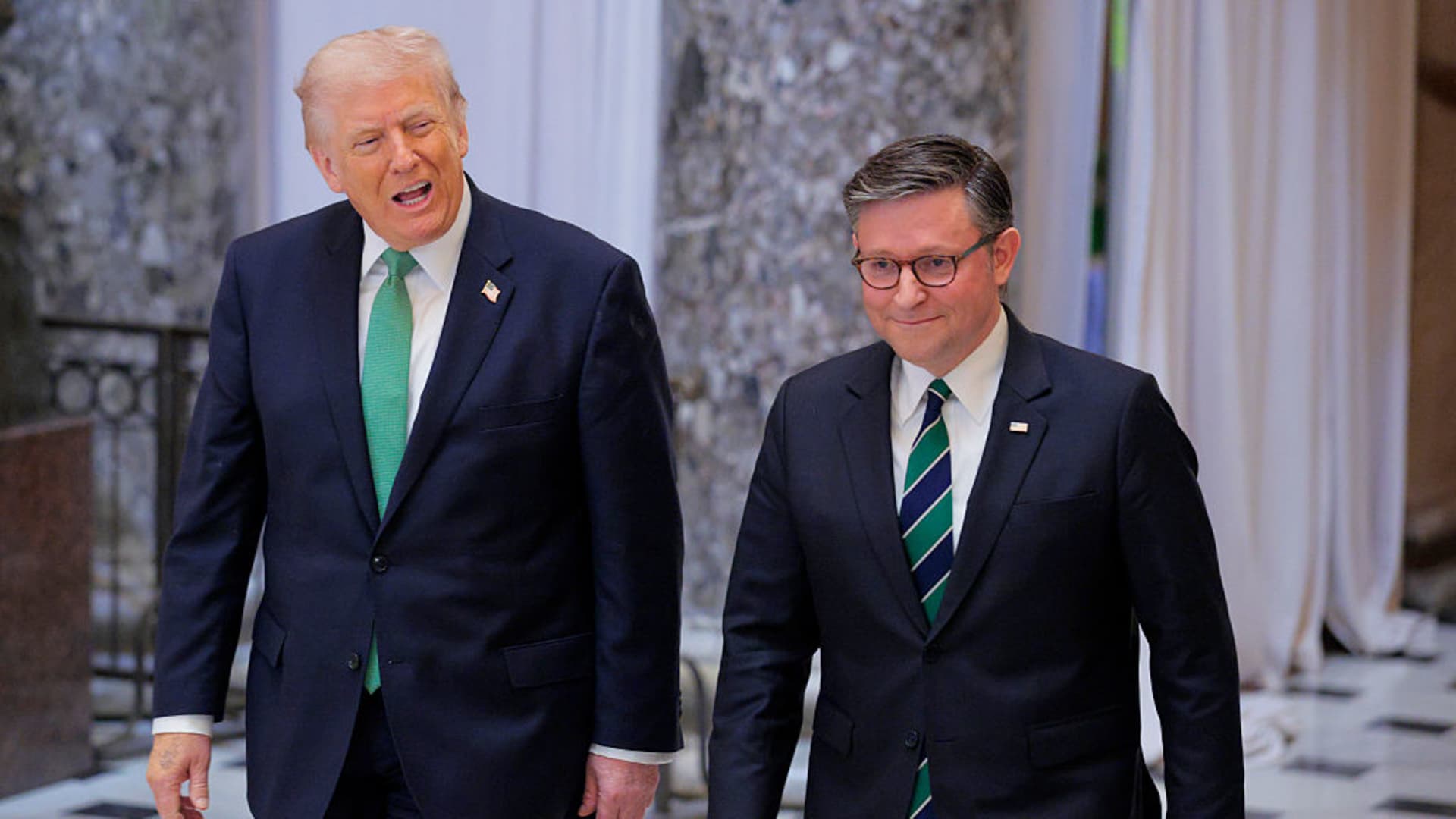
Upon taking office, Warsh faces immediate pressure from the White House to adjust monetary policy. President Trump has publicly demanded lower interest rates, seeking to stimulate economic activity through cheaper borrowing costs. This executive stance stands in contrast to the expectations currently priced into financial markets.
Despite these political demands, market participants are largely betting that the Federal Reserve will maintain its current interest rate stance through most, if not all, of 2026. This market consensus suggests that investors do not anticipate an immediate shift in policy, regardless of the new chair’s political origins or the administration’s preferences.
The divergence between political rhetoric and market pricing highlights the complex dynamics facing the new Fed chair. While the White House seeks aggressive easing, the financial sector is pricing in a prolonged period of stability, reflecting a belief that the central bank will prioritize its statutory mandates over short-term political pressures.
Warsh’s tenure begins with a clear mandate to navigate these conflicting signals. As the new chair, he must balance the expectations of the administration with the realities of market-driven monetary policy, all while operating under the scrutiny of an institution that has recently emerged from a period of legal and administrative review.