Markets brace for uncertainty as US-Iran conflict nears 100 days
CNBC analysis highlights significant volatility in stocks, bonds, and oil as hostilities mark the centenary of the war that began in February 2026.
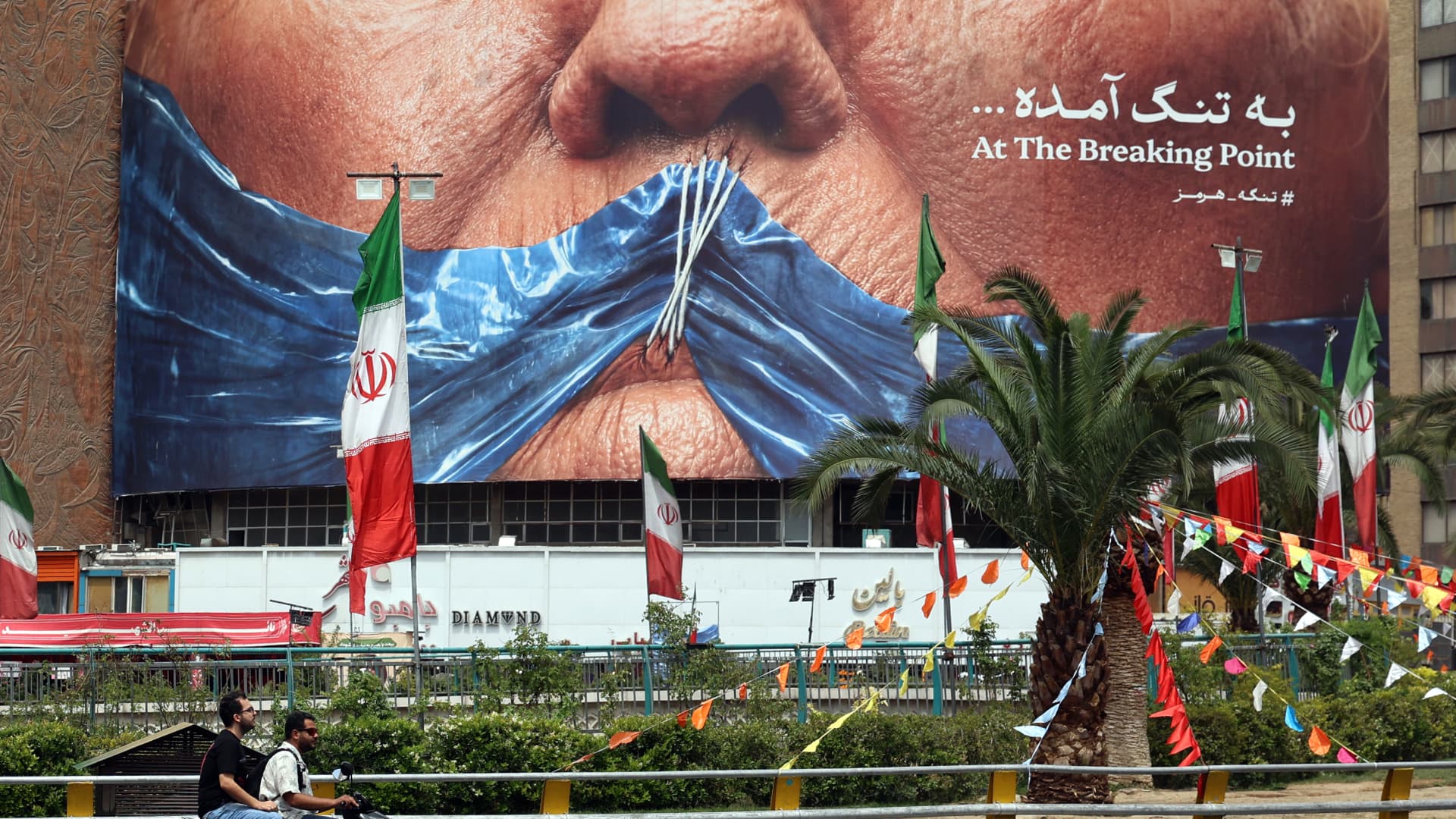
The conflict between the United States and Iran is approaching its 100th day, a milestone that underscores the deepening diplomatic stalemate and its tangible impact on global financial markets. According to recent analysis by CNBC, the hostilities, which commenced with joint strikes on Tehran on 28 February 2026, have significantly disrupted economic stability and market sentiment.
Peace negotiations remain uncertain as key issues continue to derail efforts toward a comprehensive agreement. Diplomatic channels are currently stalled over Iran’s nuclear programme and the strategic status of the Strait of Hormuz. Despite several near-misses in talks, no definitive resolution has been secured, leaving the region’s geopolitical risk premium elevated for investors.
The prolonged nature of the war has rippled through asset classes, with CNBC noting substantial effects on stocks, bonds, and oil prices. While specific quantitative data regarding these movements is detailed in associated charts, the broader trend indicates a market reacting to the sustained uncertainty and potential supply chain disruptions inherent in a conflict of this duration.
As the conflict sets to reach its 100th day on 7 June 2026, the lack of a clear diplomatic pathway suggests that volatility may persist. The economic implications extend beyond immediate market fluctuations, with the broader economy facing headwinds as institutional and retail investors weigh the risks of an open-ended confrontation.
The situation highlights the interconnected nature of modern finance and geopolitical stability. With peace hanging in the balance, market participants are closely monitoring developments in Tehran and Washington, aware that any shift in the diplomatic landscape could trigger rapid repricing across global equity and fixed-income markets.