Marjane Satrapi, author of Persepolis, dies aged 57
Those close to Satrapi state the cause of death was sadness, marking the loss of a pivotal cultural figure who translated Iranian women’s experiences for a global audience.
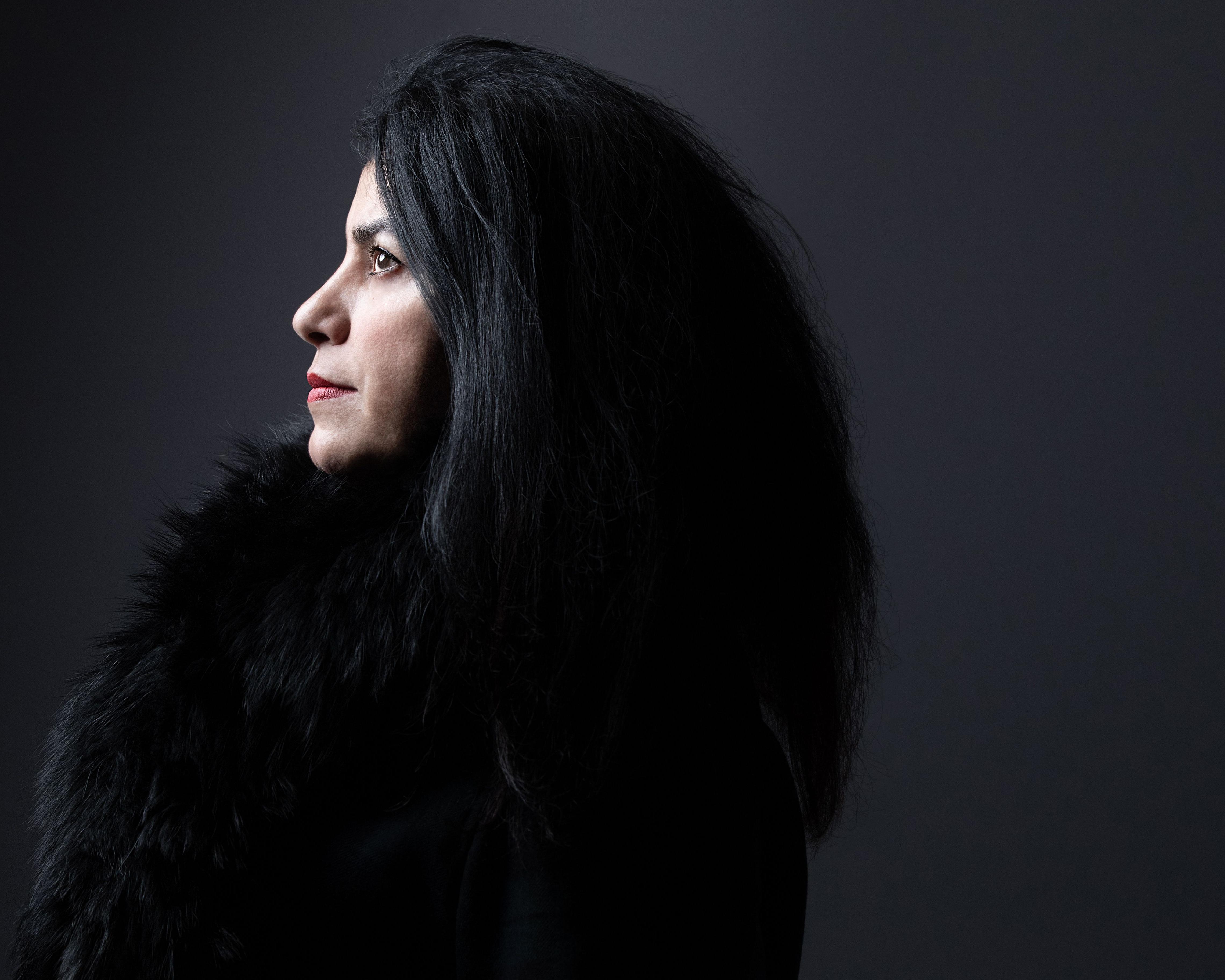
Marjane Satrapi, the Iranian-French graphic novelist and artist best known for her memoir Persepolis, has died at the age of 57. According to those close to her, the cause of death was sadness. Satrapi, who was born in Rasht in 1969 and grew up in Tehran, fled to Vienna in 1983 during the Iran-Iraq war and later settled in France. Her work, including Persepolis and Embroideries, provided a nuanced portrayal of Iranian life and women's experiences, challenging Western stereotypes and resonating deeply with Iranian diaspora communities.
Writer Dina Nayeri published an obituary-style tribute in The Guardian on 4 June 2026, describing Satrapi as a spokesperson for Iranian women’s trauma and repression. Nayeri detailed how Satrapi’s work helped her and other Iranian women in the diaspora feel seen and less ashamed of their experiences. The tribute highlighted Satrapi’s 2023 graphic collection regarding the Woman, Life, Freedom uprising following the death of Mahsa Amini.
Satrapi was born in Rasht in 1969 and grew up in a secular, politically engaged family in Tehran. Her childhood was interrupted by the 1979 Iranian Revolution, the subsequent gender apartheid, and the Iran-Iraq war. In 1983, aged 14, she was sent to Vienna by her parents for schooling. She later returned to Iran, studied visual communication, married, divorced, and eventually settled in France, where she created most of her art.
Persepolis was first published in the US in 2003 and became an internationally acclaimed graphic memoir. Embroideries, also published in 2003, depicted Iranian women sharing personal stories, including sexual history and religious repression. Satrapi was known for challenging one-dimensional Western stereotypes of Iranians, particularly regarding women's rights and cultural complexity.
In a 2020 Le Monde interview, Satrapi asserted her identity as a woman without needing to give birth. In a 2024 Guardian interview, she discussed hidden racism in Western media portrayals of Iran. Nayeri cites these moments as part of Satrapi’s broader effort to complicate the image of Iranians in western media and provide a voice for those who felt misunderstood.