Maritime disruption in Hormuz as US-Iran ceasefire expires
A ship attacked in the Strait of Hormuz has sustained engine room damage and caused a crew casualty, coinciding with the expiry of a US-Iran ceasefire and heightened diplomatic friction.

A vessel was attacked in the Strait of Hormuz, resulting in damage to the engine room and a crew casualty, according to the UK Maritime Trade Operations (UKMTO). The incident occurred as the ceasefire between the United States and Iran expired, raising concerns over the potential for prolonged regional conflict.
The UKMTO confirmed that the remaining crew members are being assisted by the Omani Coast Guard. While the specific identity of the vessel and the precise mechanics of the attack were not detailed in the initial reports, the damage to the engine room suggests a significant impact on the ship’s operational capability.
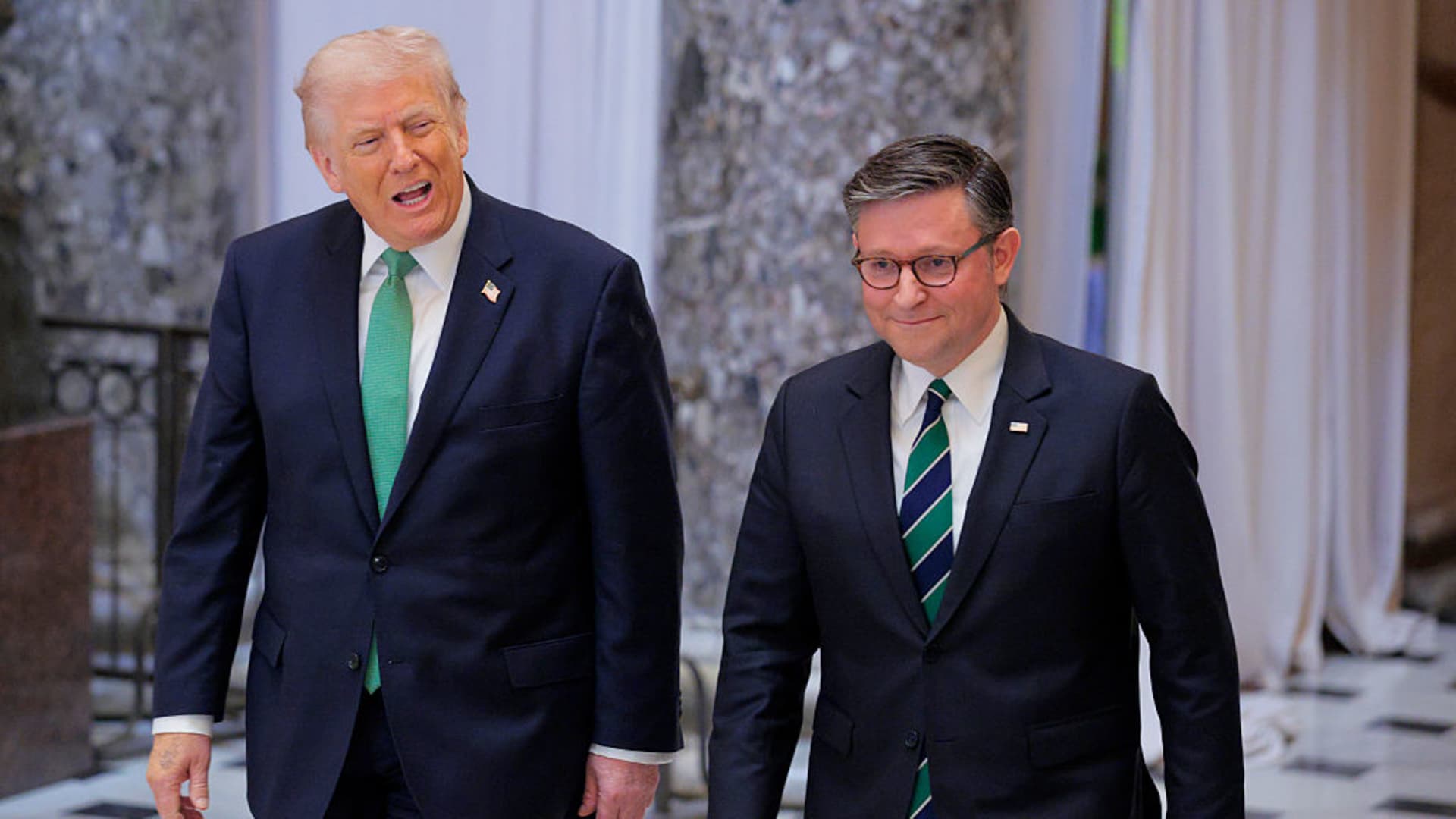
The attack follows a period of escalating tensions in the region. Former US President Donald Trump recently asserted that the Strait of Hormuz would soon become US territory, a claim that was firmly rejected by Iran’s deputy foreign minister, who stated the waterway would remain Iranian. This diplomatic friction coincided with reports of another ship being struck in the area earlier in the week.
The expiry of the ceasefire adds a layer of uncertainty to global maritime trade routes. The Strait of Hormuz is a critical chokepoint for global energy supplies, and any disruption to shipping in the area can have immediate implications for commodity markets and insurance premiums.
Market participants are now monitoring the situation closely as the ceasefire lapse removes a key buffer against further escalation. The combination of the physical attack and the diplomatic standoff signals a volatile environment for shipping and energy markets in the coming weeks.