Margaret Preston retrospective opens at NGV, confronting the contradictions of a national icon
The first major survey of the artist in two decades examines her quest for a singular Australian aesthetic, revealing the complex legacy of her appropriation of Indigenous art.
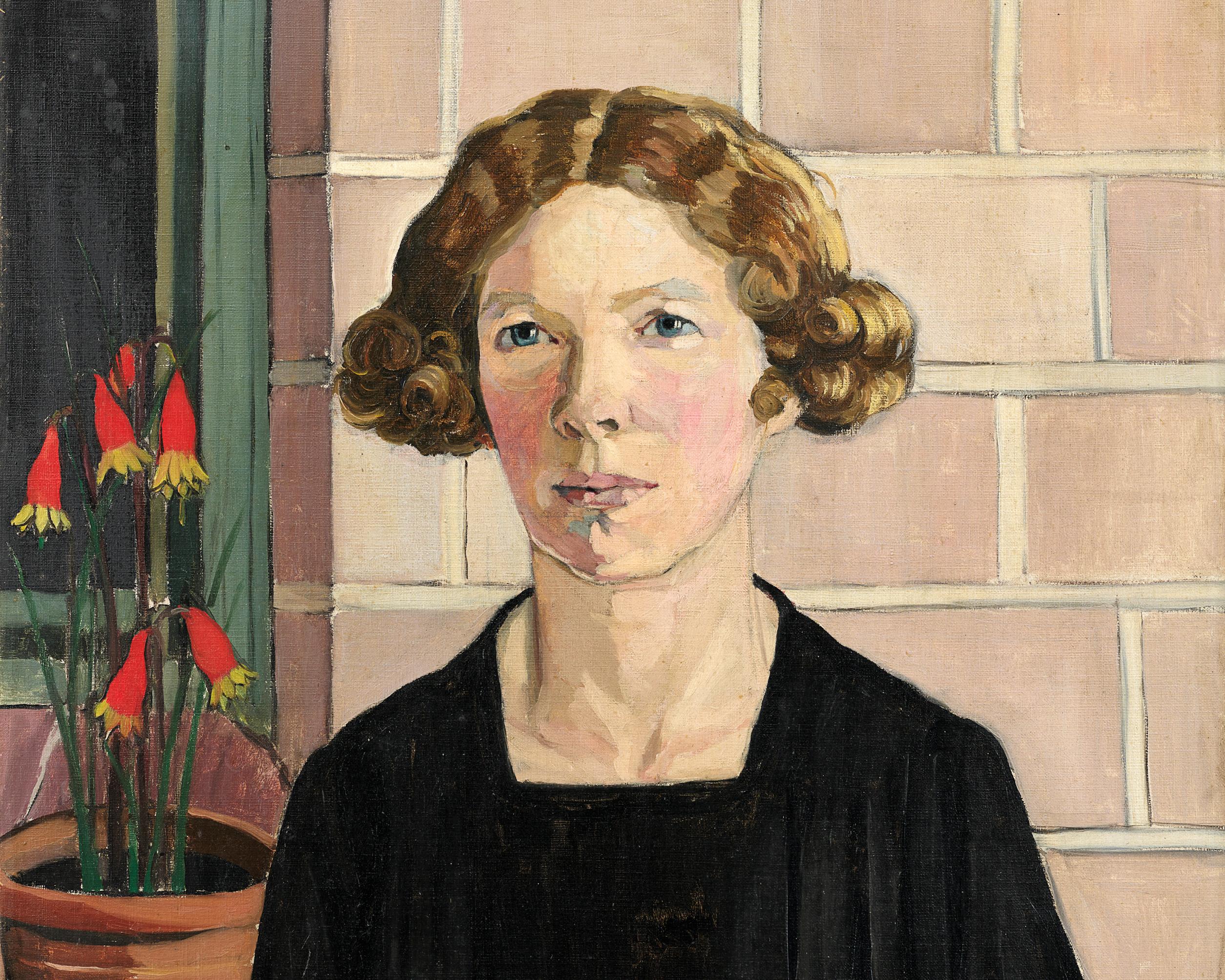
The Ian Potter Centre: NGV Australia has opened the first Margaret Preston retrospective in more than 20 years, a comprehensive survey that interrogates the artist’s lifelong ambition to define a distinct national aesthetic. Featuring over 200 works, the exhibition includes three long-lost paintings that the gallery tracked down through a public appeal. While Preston is celebrated for her vibrant still lifes and landscapes, the show also navigates the tangled web of what she wanted her work to be and what it actually became.
Co-curated by Michael Gentle, the NGV’s former curator of Australian and First Nations art, and Beckett Rozentals, the gallery’s senior curator of Australian art, the exhibition presents a loosely chronological journey through Preston’s life. Gentle notes that Preston was working towards a unified art for Australia, a mandate that was saturated with contradictions because she actively pulled from multiple sources. The display highlights how her style evolved following two formative trips to Europe between 1904 and 1919, where she encountered modernism, Fauvism, and the Arts and Crafts movement.
A central theme of the retrospective is Preston’s appropriation of Aboriginal art. Her vocal admiration for Indigenous work was unusual for a period when it was often dismissed as a curio, yet she specifically asked people not to consider the spiritual or ceremonial significance of the designs. By divorcing these elements from their context, Preston flattened and assimilated hundreds of Indigenous cultures into her nationalist project. This practice remains the most contentious aspect of her legacy, prompting difficult questions about her contribution to Australian identity.
To contextualise these debates, the exhibition includes a restaging of a display from the 2012 Documenta 13 exhibition in Germany. This section features Gordon Bennett’s Home Décor (After M Preston) series, which consists of dramatic enlargements of Preston’s small gouaches. Bennett’s reproductions tower over the original works, exposing a chain of appropriation that runs through Australian art history. The show also features new commissioned works from Marilyn Russell, Kaye Brown, Raelene Kerinauia Lampuwatu, Mary Elizabeth Moreen, and Jimmy Frank, alongside pieces by Trevor Nickolls, Deanne Gilson, and Tony Albert.
These contemporary responses rarely solely condemn or celebrate Preston. Instead, they illuminate the complexity of her legacy as an advocate for Aboriginal art whose actions still have consequences today. Indigenous art continues to be used as visual shorthand to represent Australia across culture, entertainment, and advertising. The exhibition embraces this multiplicity of viewpoints rather than declaring a definitive conclusion, suggesting that Australian art and identity are rich, ever-changing tapestries of influences.
Preston, who was born in Port Adelaide in 1875 and died in 1963, was intensely driven and successful in her lifetime. Her works do not provide the unified vision of Australia she hoped for, but they tell a more interesting story of global and local influences. The exhibition runs at the Ian Potter Centre: NGV Australia until 31 January 2027.