Mapping the missing link: How one scientist is building a genetic baseline for children
The Children’s Hospital of Philadelphia bioinformatician argues that understanding gene expression in paediatric tissue is critical for drug safety and disease prevention.
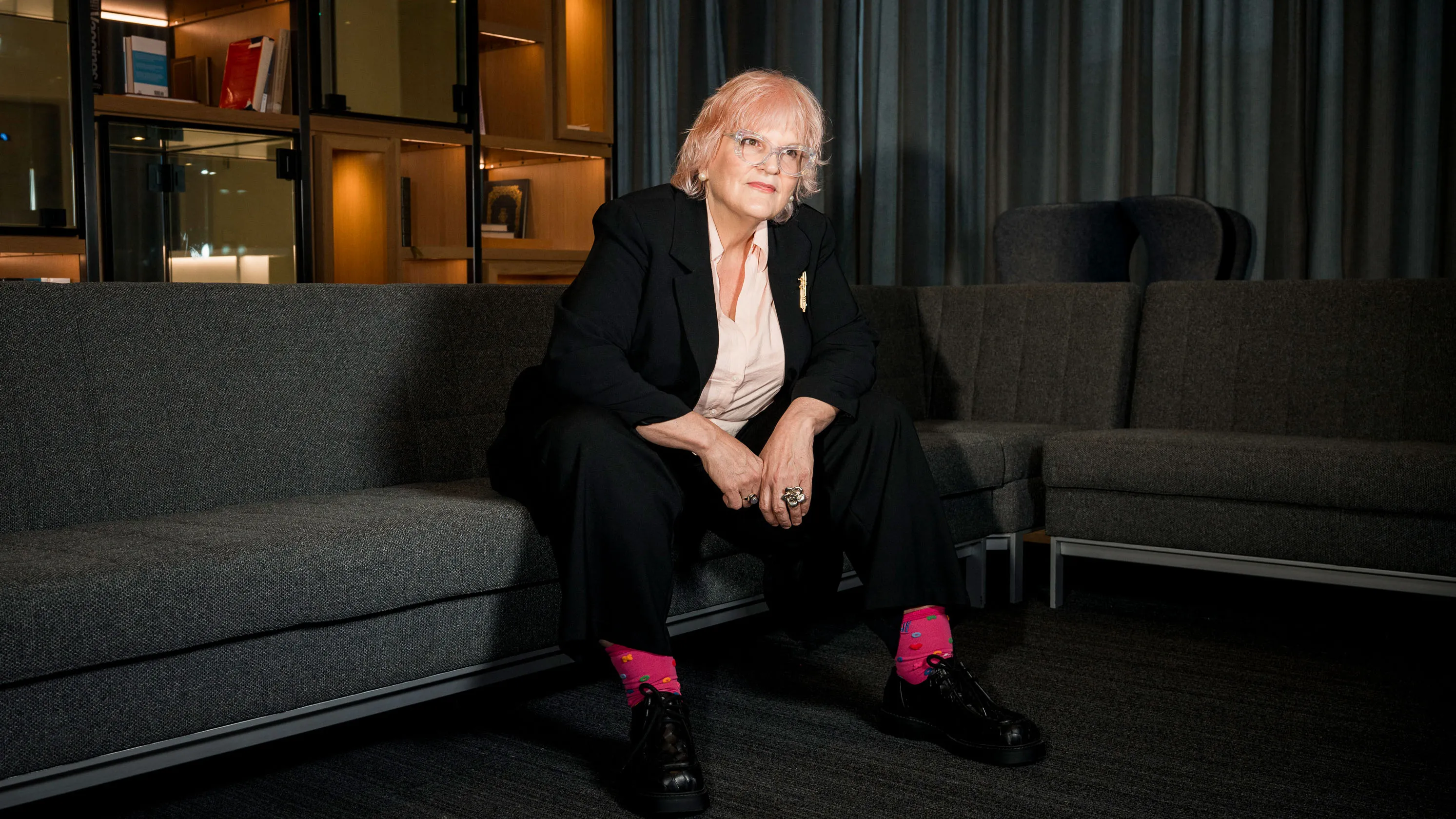
Deanne Taylor, director of bioinformatics at the Children’s Hospital of Philadelphia (CHOP), is leading a major initiative to map gene expression in children, addressing a long-standing gap in medical research. Her work has resulted in a $38.5 million grant from the National Institutes of Health (NIH) for the Developmental Genotype-Tissue Expression Project (dGTEx), which aims to establish the first comprehensive database of healthy paediatric tissue.
The push began in 2017 when Taylor, then at CHOP, attended a presentation on the Human Cell Atlas, an ambitious project to map every cell in the human body. She noticed the initiative focused solely on adults, prompting her to campaign for the inclusion of paediatric data. She helped write a white paper and co-authored a 2019 publication outlining the case for studying children, arguing that the prevailing view of children as small adults was scientifically inaccurate.
Children’s cells differ significantly from adult cells in how they express genes, switching them on or off in ways that can drastically alter responses to medication. Without a baseline of normal paediatric development, researchers risk missing critical windows for intervention or prescribing treatments that may cause harmful side effects, such as cardiac damage from chemotherapy drugs.
The dGTEx project utilises tissue samples from deceased children whose parents consented to donation. Taylor and her team curate and standardise data associated with these donations, including family history, while separate groups analyse the samples. This data creates a molecular map of how genes function in healthy paediatric organs, serving as a reference point for understanding disease and drug effectiveness.
Taylor’s efforts have successfully integrated paediatric data into the Human Cell Atlas. She also serves as a principal investigator for the Kids First Data Resource Center and collaborates on HubMAP to create 3D maps of children’s cells. Colleagues describe her role as complex coordination work, uniting diverse researchers to build a holistic view of paediatric development that extends beyond individual organs.