Mandelson received sensitive security briefings before vetting clearance
The disclosures expose internal Labour criticism of Prime Minister Keir Starmer and intensify scrutiny over the government’s judgment in appointing the diplomat, who was later dismissed following revelations of his friendship with Jeffrey Epstein.
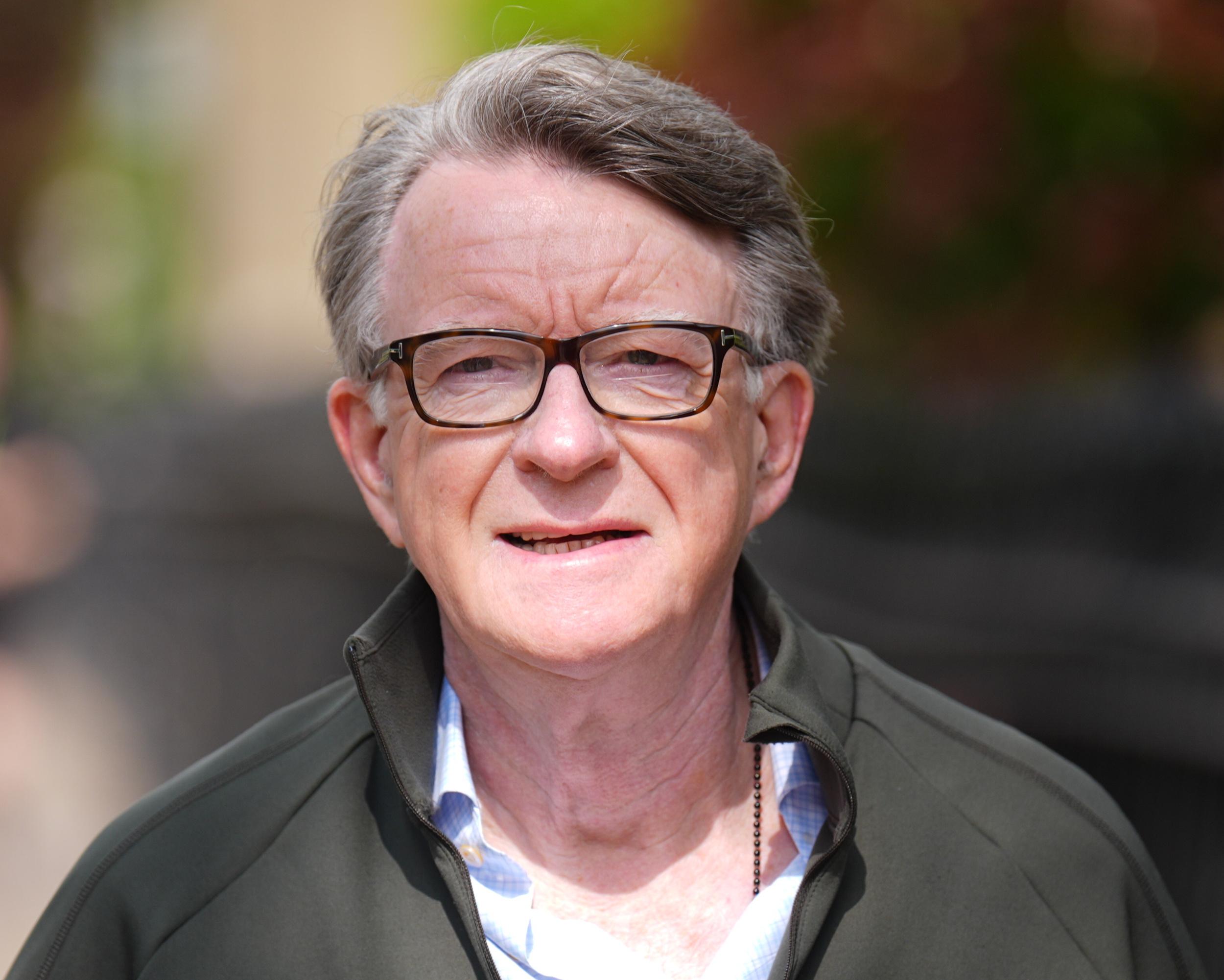
Newly released declassified documents indicate that Peter Mandelson received sensitive Foreign Office security briefings and met with MI6 chief Richard Moore before finalising his developed vetting process for the position of UK ambassador to Washington. The files, published following a humble address process, show that Mandelson and Moore agreed to meet in early January 2025, prior to the ambassador designate’s departure for the United States. Mandelson had initially believed his status as a privy councillor granted him access to secret documents without full clearance, but officials eventually insisted on formal vetting.
The documents reveal that intelligence officials sought to utilise Mandelson’s presence to arrange wider briefings on Russia, Ukraine, China, counter-terrorism, cybersecurity, and the Middle East. In addition to meeting Moore, referred to as “C”, Mandelson met with Blaise Metreweli, then head of MI6’s technology branch and known as “Q”, who has since taken over as the head of the agency. An aide informed MI6 that while Mandelson lacked developed vetting clearance, he had been given access to higher classification material on a case-by-case basis, leaving it to senior officials to judge what was appropriate.
Internal Labour criticism of Prime Minister Keir Starmer was also exposed in embarrassing detail. Mandelson described the prime minister as lacking verve and noted that he tended to buckle under pressure. These revelations, combined with the security protocols surrounding his appointment, have intensified scrutiny of Starmer’s political judgment. The prime minister has since stated he bitterly regrets the decision to appoint Mandelson, a move that has unsettled restive MPs and raised significant questions about the government’s vetting procedures.
Despite the release of approximately 1,500 pages of documents, crucial information was withheld for national security and police investigations. The intelligence and security committee redacted material deemed prejudicial to UK national security or international relations. A nine-page summary from UK Security Vetting (UKSV) was not released after Scotland Yard requested its retention for potential prosecution. Additionally, emails between Mandelson and Morgan McSweeney regarding his links to Jeffrey Epstein were withheld, as was Mandelson’s completed declaration of interest form.
Mandelson declined to comply with requests to hand over his personal phone or allow the publication of WhatsApp messages related to his appointment. Darren Jones, the prime minister’s chief secretary, informed MPs that some messages were unavailable due to disappearing features or device changes. The disclosures follow Mandelson’s dismissal in September 2025 after his friendship with Epstein was revealed, a scandal that led to the resignations of Starmer’s chief of staff, Morgan McSweeney, and Foreign Office official Olly Robbins. A debate on the documents is scheduled for Wednesday.