Mandatory 'Trauma Trackers' to be deployed across all police forces in England and Wales
New system links collar numbers to specific incidents to identify psychological distress before breakdowns occur, aiming to support both frontline and back-office staff
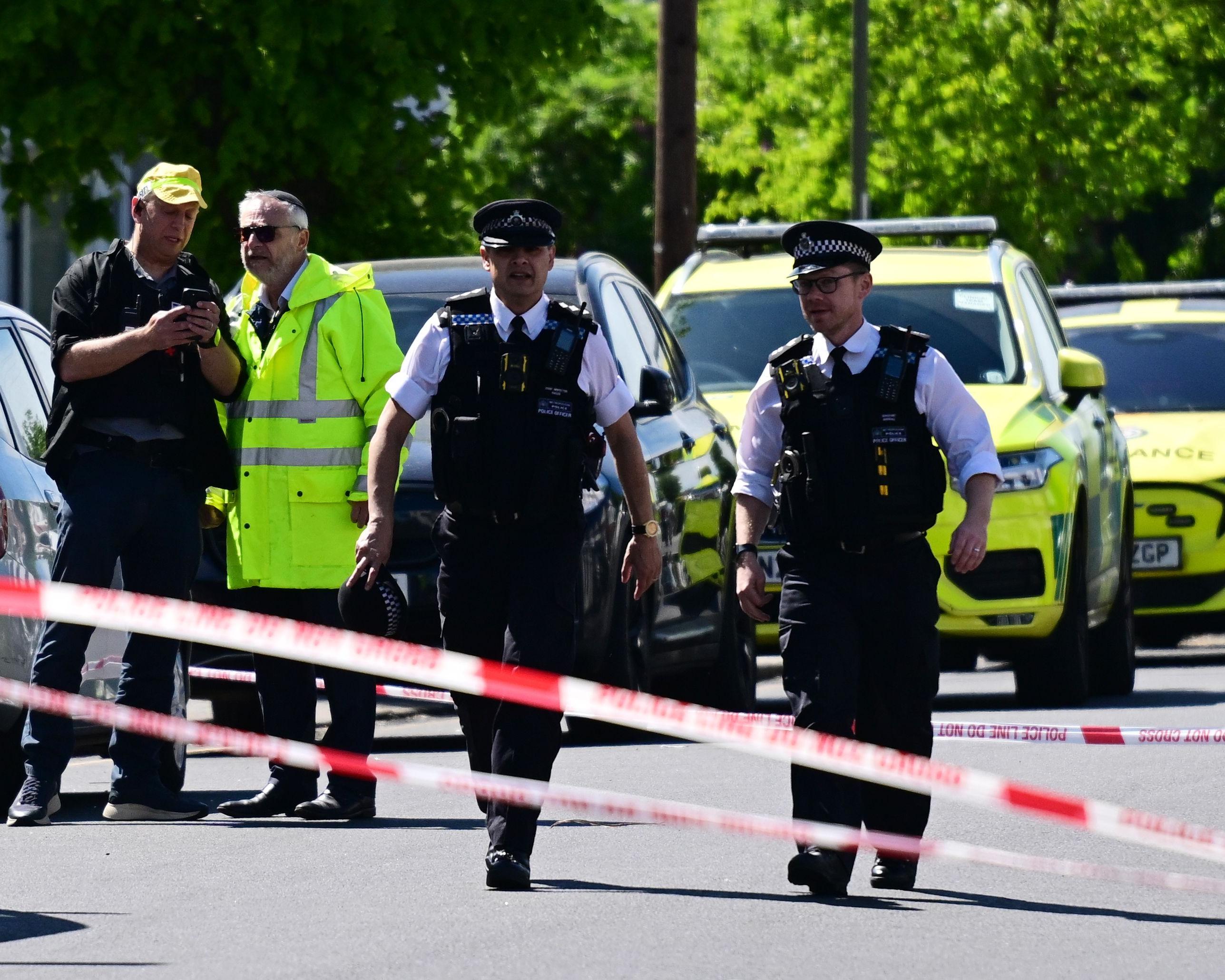
Ministers have mandated the deployment of 'trauma tracker' tools across all 43 police forces in England and Wales, marking a significant shift in how the psychological toll of policing is recorded and managed. Outlined in a Home Office white paper published in January, the initiative seeks to move away from reactive measures that historically waited for an officer to show signs of distress before offering assistance. Instead, the new framework aims to proactively identify psychological distress, including post-traumatic stress disorder, before a breakdown occurs.
The system, led by Insp Stuart King of Avon and Somerset police, functions by linking an individual officer's collar number to specific harrowing incidents such as fatal collisions and abuse cases. This creates a permanent digital record of cumulative exposure that persists regardless of changes in supervisory rotation. By scanning force crime recording systems, the tool highlights 'red flag' incidents, including fatal road traffic collisions and child sexual abuse, while analysing up to 20 years of historical data to assess the long-term impact on a career.
While the initiative primarily targets frontline officers attending violent scenes, the data generated has revealed significant distress among back-office staff who were previously overlooked. Call takers, digital media investigators, and crime scene investigators often carry trauma scores similar to patrol officers, yet they remained 'invisible' casualties under the old system. The tracker bridges this gap, ensuring that managers can see a collective history of exposure and facilitating necessary one-to-one conversations between officers and supervisors.
Insp Stuart King, who joined the force in 2003 and helped develop the prototype system, noted that the concept of trauma was not explicitly defined during his early years of service. He highlighted a landmark 2018 study which revealed that more than 90 per cent of UK police officers had been exposed to traumatic incidents, with 20 per cent suffering from clinical levels of PTSD. Despite these figures, the industry previously relied on reactive measures, often ignoring the psychological toll until a breakdown occurred.
Addressing concerns regarding personal data gathering, the system includes an opt-out clause and is designed primarily as a 'conversation starter' rather than a punitive measure. King emphasised that the tool treats officers as humans, allowing supervisors to initiate discussions based on observed high trauma exposure. The data generated is expected to provide the evidence base required to secure increased funding for mental health resources, addressing the historical neglect of those who perform the job.
As the 2026 white paper moves toward legislation, the initiative is currently undergoing independent academic scrutiny by the University of Bath. While King acknowledges that exposure to death and violence remains an inherent nature of policing, the focus has shifted to how the exposure is managed and supported. The goal is to ensure that the psychological reality of rapid emotional shifts, such as attending a tragic death followed immediately by a violent street fight, is recognised and addressed before it leads to a crisis.