Mancini returns to Italy amid FIGC leadership overhaul
The Italian Football Federation’s attempt to reset its hierarchy collapses following failed approaches to Pep Guardiola and Carlo Ancelotti, and the rejection of Andrea Pirlo.
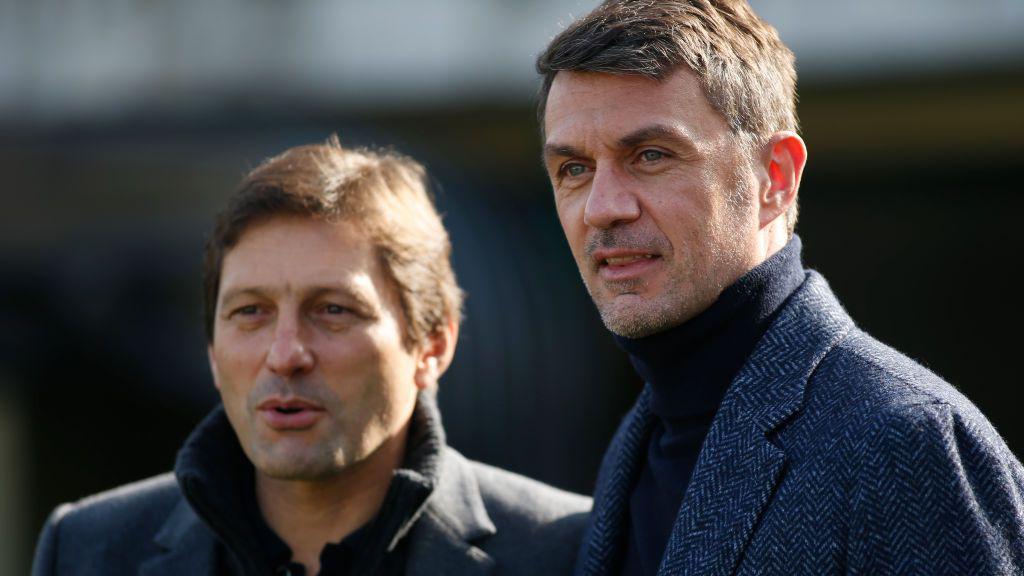
Roberto Mancini has been appointed manager of the Italian national football team for a second time, concluding a turbulent search for a successor to Gennaro Gattuso. The appointment follows the resignation of technical director Paolo Maldini and special advisor Leonardo from the Italian Football Federation (FIGC) after just 16 days in their roles. The leadership change comes as Italy grapples with the consequences of failing to qualify for the 2026 World Cup, marking the third consecutive tournament exclusion in the nation’s recent history.
The departure of Maldini and Leonardo was attributed to a fundamental disagreement with FIGC president Giovanni Malago regarding the appointment of Mancini. Malago stated that the decision to part ways was consensual, citing a lack of shared vision between the new technical leadership and the federation hierarchy. The pair had sought to reshape Italian football by approaching high-profile candidates, including Pep Guardiola and Carlo Ancelotti, but both declined or were not interested.
Attention then turned to Andrea Pirlo, but his potential appointment was ruled out by the FIGC hierarchy following public and political outcry. The controversy stemmed from Pirlo’s role in promoting a Russian betting company, which included sponsored visits to Moscow following the 2022 invasion of Ukraine. Pirlo expressed bitterness over the scandal, and his exclusion appears to have been the final catalyst for Maldini and Leonardo’s resignation, undermining their broader strategic approach.
Mancini, 61, returns to the role he previously held from 2018 to 2023, a tenure that included winning the Euro 2020 title but also oversaw the failure to qualify for the 2022 World Cup. He had previously left the position to take a role in Saudi Arabia. To replace Maldini as technical director, the FIGC has appointed Claudio Ranieri, aged 74, a former manager of Chelsea and Leicester City.
The leadership vacuum follows a period of significant instability, beginning with Gattuso’s departure in April after Italy’s defeat by Bosnia-Herzegovina in the World Cup qualifying play-offs. Former FIGC president Gabriele Gravina and head of delegation Gianluigi Buffon also resigned during this period. Malago, elected president with a mandate for reform, had initially hired Maldini to oversee a transition from youth systems to the senior team, promising a four-year commitment extending to the 2030 World Cup.
Systemic issues within Italian football remain a pressing concern. A recent FIGC report highlighted that Serie A has the highest average player age among major European leagues, with only 32.1% of players eligible for the national team. The federation also noted poor rankings for youth development investment and under-21 minutes played, suggesting that legislative changes to allow a gambling levy could help fund youth football initiatives.
Despite the appointment of Mancini and Ranieri, the federation faces the challenge of reversing a two-decade trend of disappointment. Since winning the 2006 World Cup, Italy has failed to qualify for three major tournaments and suffered early exits in 2010 and 2014. The current leadership changes occur against a backdrop of widespread calls for reform, with former players and officials arguing that the nation’s historical success should not be viewed as a burden but as inspiration for a new era.