Manchester leads UK in deprivation reduction as thinktank urges fiscal devolution
Greater Manchester mayor cites economic revival as proof of ‘Manchesterism’, while thinktank chief calls for expanded metro powers
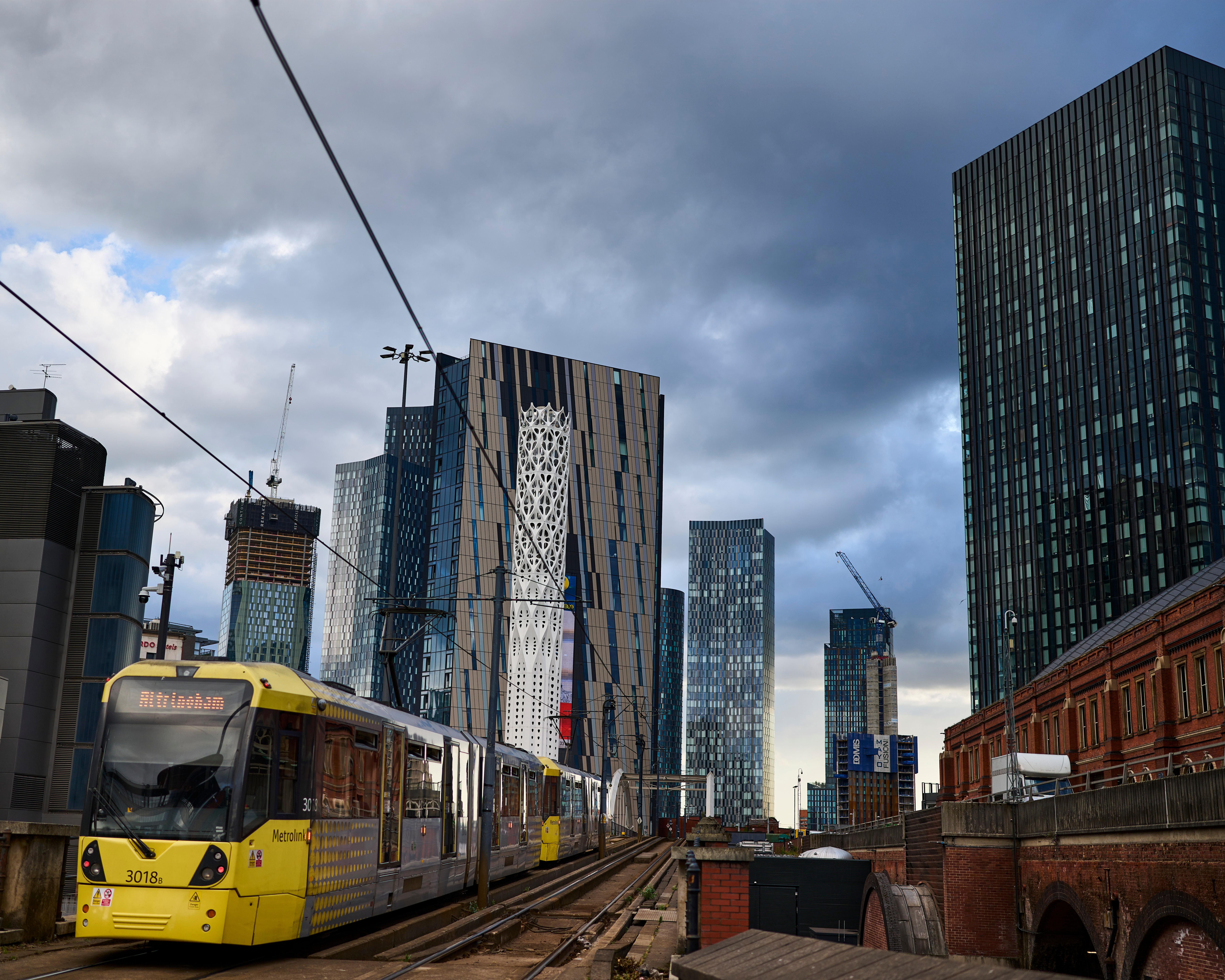
A report by the Centre for Cities has identified Manchester as recording the largest decline in inner-city deprivation among 63 UK towns and cities analysed between 2010 and 2025. The thinktank’s findings indicate a 17-percentage-point decrease in deprivation rates for neighbourhoods close to the city centre, providing statistical backing for Greater Manchester mayor Andy Burnham’s political narrative.
Burnham, currently the frontrunner to replace Keir Starmer as Labour leader, has positioned the city’s economic performance at the core of his campaign. He has cited the data as evidence for “Manchesterism,” a political philosophy advocating for a more interventionist approach to the economy, as he prepares to contest the Makerfield byelection in Wigan.
The analysis utilised indices of multiple deprivation across England, Scotland, Wales, and Northern Ireland, drawing on metrics for employment, education, health, and crime. For major cities like Manchester, the study defined the inner city as a ring extending from 1.3km to 4.5km from the centre. Within this zone, the proportion of neighbourhoods ranking among the most deprived nationally fell from 75.7% in 2010 to 58.4% in 2025.
Nationally, the share of inner-city neighbourhoods in the 20% most deprived places decreased by seven percentage points, dropping from 38% to 31%. London and Liverpool also contributed significantly to this downward trend, although Manchester’s reduction was the most substantial among the 63 locations examined.
Despite these gains, the report highlighted regional disparities, noting that deprivation rates rose in parts of urban Britain. Seven of the 10 cities and towns with the largest increases in deprivation rates across their whole urban area were located in the north and Midlands, including Derby and Sunderland.
Andrew Carter, chief executive of the Centre for Cities, argued that the data underscores the need for the government to support metro mayors with fiscal devolution. He stated that cities with devolved powers had outperformed smaller towns, urging officials to ensure plans for fiscal devolution reward metro mayors for steps taken to boost local growth.
Burnham’s involvement in the Makerfield byelection places him in a constituency on the western fringes of the Greater Manchester combined authority, distant from the city centre where the reported improvements were concentrated. The thinktank’s conclusions are likely to intensify scrutiny on the relationship between devolved governance structures and economic outcomes.