Malaga researchers propose AI agent system to secure EV charging networks
University of Malaga team utilises opinion dynamics and blockchain to overcome limitations of localised monitoring in Open Charge Point Protocol networks.
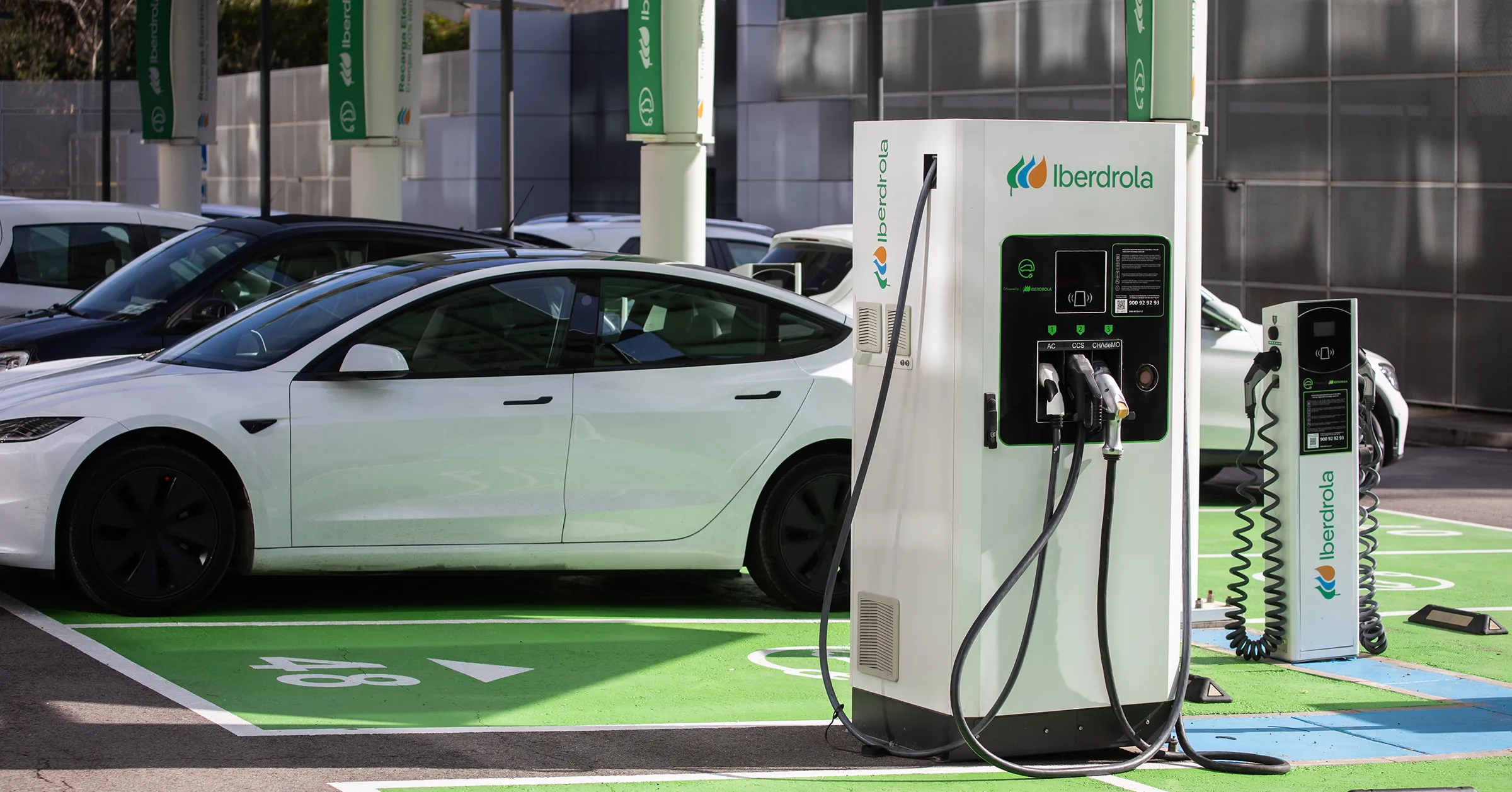
Researchers at Spain’s University of Malaga have proposed a new system employing artificial intelligence agents to safeguard electric vehicle charging stations against cyberattacks, energy theft, and infrastructure damage. The initiative addresses growing cybersecurity risks associated with the rapid global expansion of electric vehicle adoption, which has introduced complex vulnerabilities into critical energy networks.
The proposed architecture utilises the Open Charge Point Protocol, a standard widely used for the operation and management of electric vehicle chargers. While the protocol enables communication between charging stations and a centralised system for monitoring and management, current mechanisms typically focus only on local events or network traffic. This limited view makes it difficult to identify the source or spread of anomalies across a region, leaving operators unable to assess the full extent of potential vulnerabilities.
To overcome these limitations, the team developed a system where multiple AI agents collaborate to detect anomalies across the network. Each station incorporates agents capable of analysing their environment and comparing local information with data from nearby stations. This approach builds a contextualised, collaborative view of the infrastructure, allowing the system to identify component failures and coordinated attacks that might otherwise go unnoticed.
A key feature of the system is a consensus mechanism based on opinion dynamics, which mimics human social network information exchange. This mathematical framework allows AI agents to share observations and adjust their assessments to reach a collective understanding, significantly reducing the risk of false positives. Additionally, the system integrates blockchain technology as a trust and validation mechanism, recording all agent transactions in an immutable distributed ledger to ensure integrity and traceability.
Simulated tests conducted in an Open Charge Point Protocol-compliant environment demonstrated the system's effectiveness. The agents successfully identified specific anomalies in individual devices and behavioural patterns affecting multiple charging stations. The results indicated that the combination of AI agents, distributed consensus, and blockchain provided a comprehensive view of the network's security status, offering a viable solution for protecting the stability of electrical grids.
The research, led by Cristina Alcaraz, an infrastructure-security researcher at the University of Malaga, was published in the International Journal of Critical Infrastructure Protection. The study highlights the liability of electric vehicle charging stations, which integrate multiple physical and digital components, creating a host of new security challenges. Compromised chargers pose risks to both the continued adoption of electric vehicles and the stability of the electrical grids in the countries where they operate.
The findings were originally published by WIRED en Español and subsequently translated. The University of Malaga’s NICS lab stated that the system provides a new way to guarantee the protection of electric vehicle charging infrastructure, addressing a gap in cybersecurity solutions for this rapidly expanding sector.
