Major US Tech Earnings Split Wall Street as Capital Spending Fears Mount
Investors reacted with caution to revised spending forecasts and supply constraints, even as cloud revenue beats exceeded expectations across the sector.
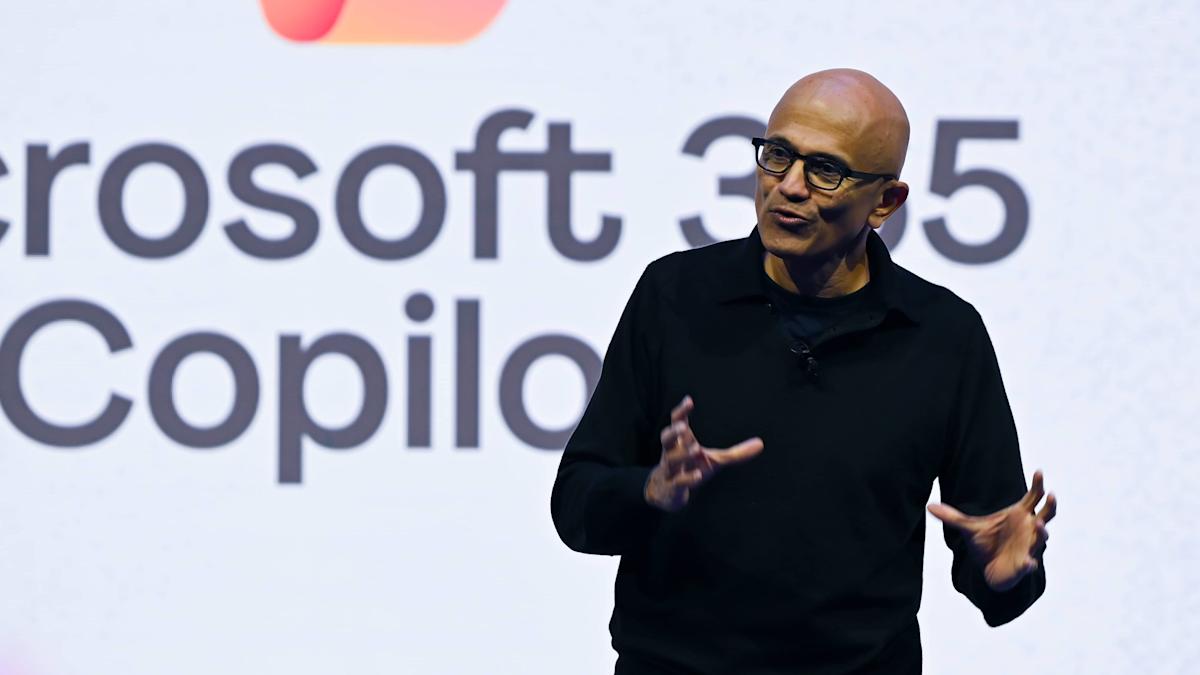
Wall Street investors displayed a divided reaction to the quarterly earnings of major US technology firms on Wednesday, with the results highlighting the sector's deepening reliance on artificial intelligence. While Amazon and Google saw their shares rise following reports of accelerated cloud growth and revenue beats that exceeded expectations, Meta and Microsoft faced significant sell-offs. The divergence in market sentiment underscores the growing scrutiny on capital allocation strategies within the tech industry.
Amazon benefited from its fastest growth in the AWS division in 15 quarters, with revenue reaching $37.6 billion. The company's backlog also expanded significantly to $364 billion, a figure analysts note excludes a separate $100 billion deal with Anthropic. Additionally, Amazon's chip business is now operating at a $20 billion revenue run rate, reinforcing its position as a key player in the AI infrastructure market.
Google also posted better-than-anticipated cloud growth, which surged 63 per cent year on year to $20 billion. The company's cloud backlog more than doubled to over $460 billion. In a strategic shift that challenges the current AI chip landscape, Google announced plans to sell its custom Tensor Processing Units directly to customers for installation in their own data centres, rather than continuing to rent capacity from its own infrastructure.
In contrast, Microsoft shares fell despite a 40 per cent year-on-year increase in Azure and other cloud services revenue. The decline was driven by investor concerns regarding supply constraints expected to persist through 2026 and the heavy reliance of its cloud backlog on OpenAI. The majority of the company's $627 billion cloud backlog is derived from OpenAI, a dependency that weighed on the stock price.
Meta faced the steepest penalty, with its stock plummeting by more than 9 per cent. Although the company reported a 19 per cent increase in ad impressions and a 12 per cent rise in price per ad, the market penalised the stock due to a significant upward revision in its 2026 spending plans. Meta now expects to spend between $125 billion and $145 billion in 2026, up from its prior estimate of $115 billion to $135 billion.
Market attention is now shifting to Nvidia, which is scheduled to report its quarterly results in late May. The upcoming announcement from the chipmaker will likely provide further insight into the supply chain dynamics and pricing power that have become central to the AI investment thesis.