Maersk vessel transits Strait of Hormuz under US military escort
A Maersk ship has confirmed passage through the Strait of Hormuz under the protection of the US military, reinforcing the administration's commitment to safeguarding critical energy trade routes.
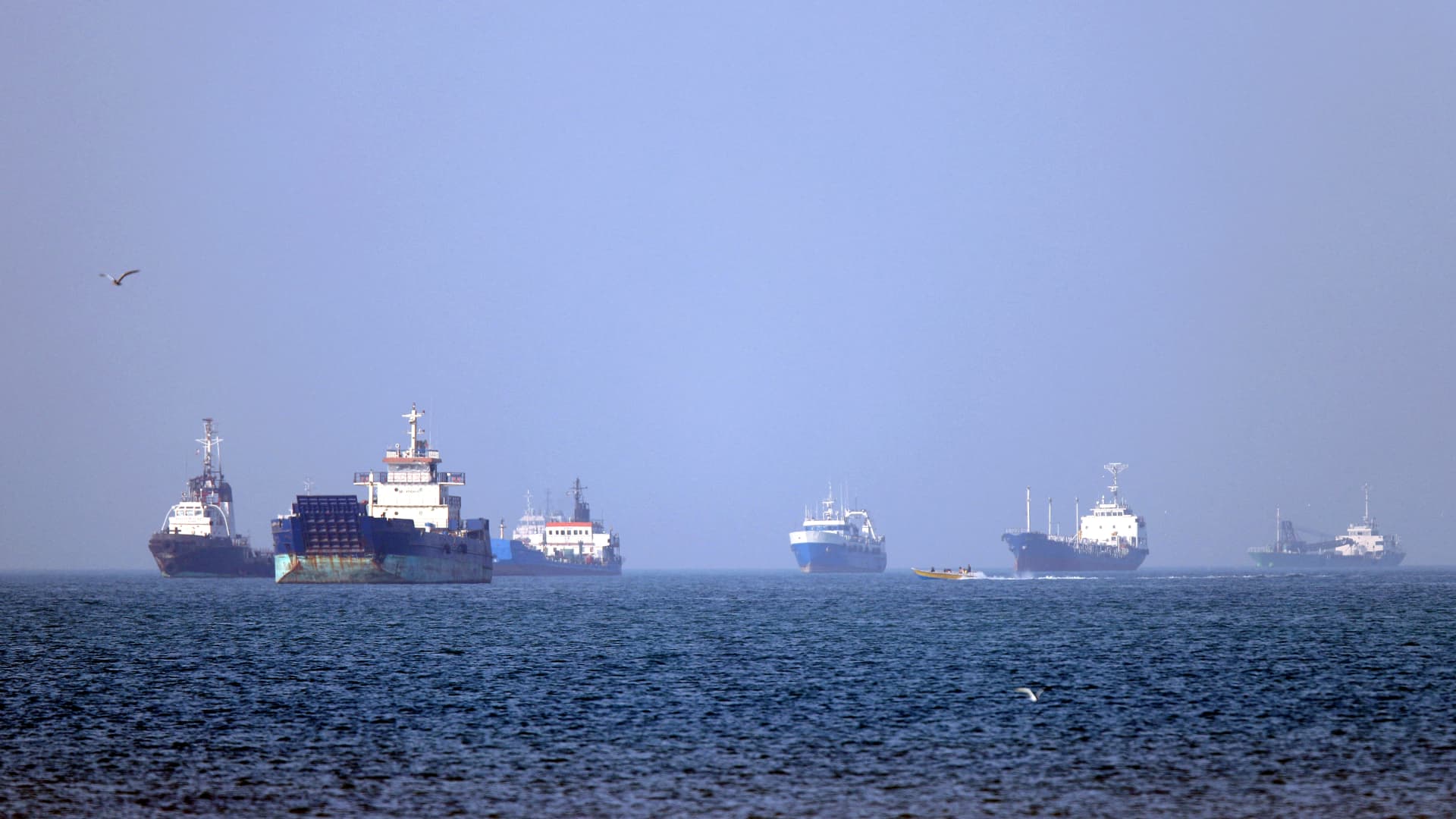
Maersk has confirmed that a vessel successfully navigated through the Strait of Hormuz under the direct protection of the US military. The transit represents a concrete operational milestone for the US Navy as it seeks to deliver on President Donald Trump's Project Freedom initiative. This programme is explicitly designed to secure critical global shipping lanes that are essential for international commerce and energy supply chains.
The Strait of Hormuz remains a strategically vital chokepoint for global energy trade, making its security paramount for markets and institutions alike. The confirmation of this transit comes against a backdrop of heightened regional tensions where conflicting claims regarding recent attacks have disrupted a fragile ceasefire. These developments have already contributed to a spike in energy costs, underscoring the economic stakes involved in maintaining stability within the region.
President Trump has issued severe warnings regarding the security of US vessels in the area, stating that Iran would be "blown off the face of the Earth" if it were to attack American ships. He cited superior US military capabilities and extensive stockpiles of equipment as justification for this hardline stance. The US and Iran continue to exchange warnings, with the risk of a return to full-scale war remaining a significant concern for policymakers and investors.
While the specific identity of the Maersk vessel, whether a container ship or tanker, has not been detailed, the confirmation of its passage under military escort signals a shift in the operational reality of the strait. The precise nature of the military support provided, such as the specific assets involved in the escort, was not specified in the available reporting. Nevertheless, the event serves as a demonstration of capability and intent by the US military to protect commercial traffic.
It remains unclear to what extent this single transit represents a broader, sustained pattern of commercial shipping under US protection versus a singular demonstration of force. The broader geopolitical landscape involves an ongoing exchange of threats, and the extent to which Project Freedom will be implemented as a long-term strategy versus a reactive measure is yet to be fully defined. Observers will be watching closely to see if this event triggers a wider shift in how global trade is facilitated through the region.
The successful passage of the Maersk ship under US military protection highlights the intersection of geopolitics and capital markets. As tensions persist and the risk of conflict looms, the security of these shipping lanes will continue to influence energy prices and market sentiment. The implementation of Project Freedom aims to mitigate these risks, but the volatility in the region suggests that vigilance will remain a key factor for institutions moving money in the area.