Lux Optics releases Halide Mark III with film simulation engine and built-in editor
The latest iteration of the popular iPhone camera application features Apple’s Liquid Glass design principles, HDR support across all presets, and free access for previous Mark II buyers.
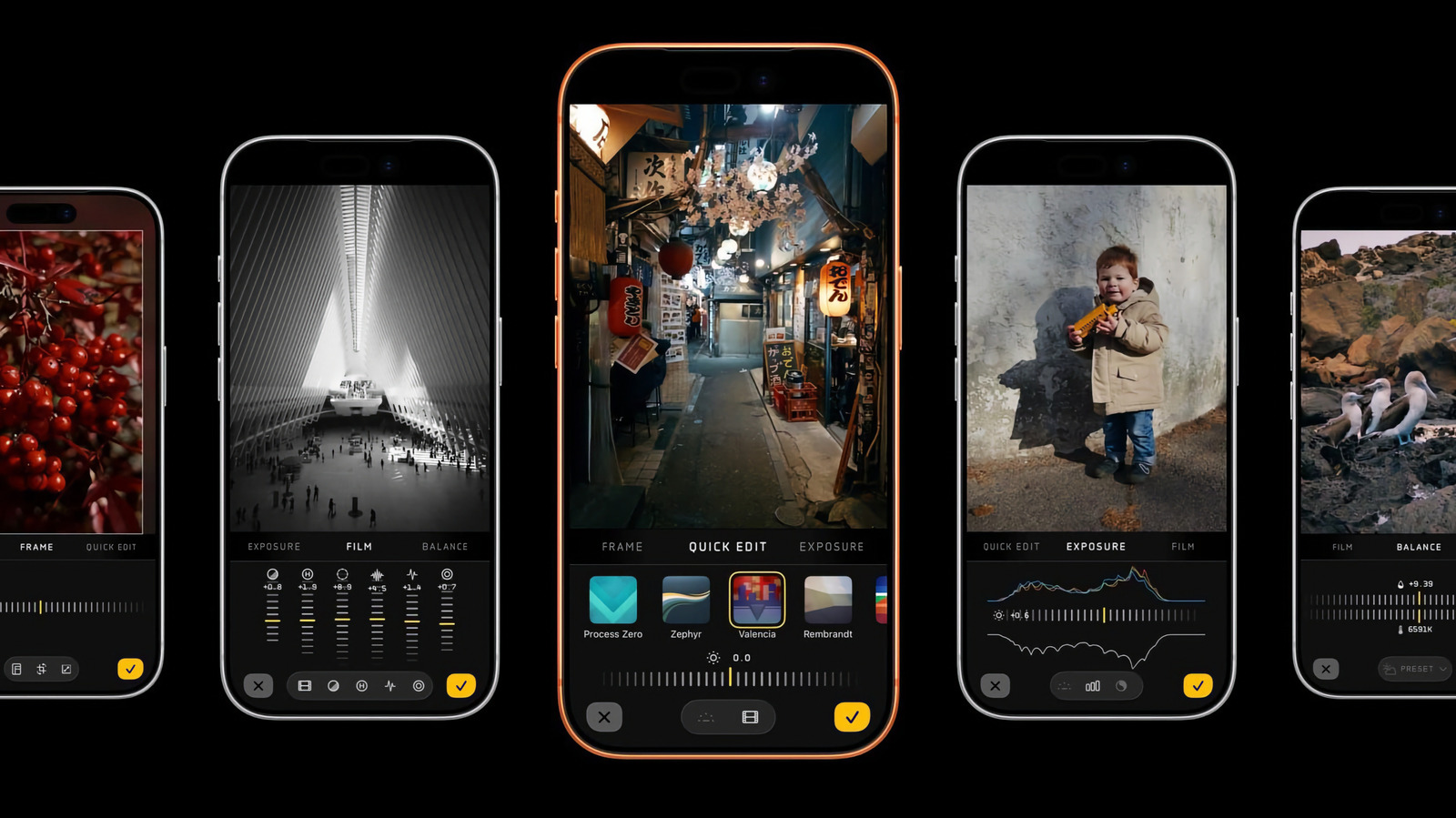
Lux Optics has officially released Halide Mark III, a significant update for its professional-grade camera application on iPhones and iPads running iOS 18 or later. The release marks the first major update from the developer since co-founder Sebastiaan de With departed to join Apple in January 2026. The update introduces a built-in photo editor and a comprehensive film simulation engine, expanding the app’s capabilities beyond the raw image processing pipeline established in the 2024 Mark II release.
The new film simulation engine features five distinct visual looks co-developed with Hollywood colourist Cullen Kelly. These presets are tailored for specific photographic genres: Valencia offers thick contrast and deep saturation for landscapes and cityscapes; Rembrandt targets portraits with mid-tone contrast and abundant low-end colour; Nova provides tight contrast with smooth peachy highlights; Zephyr delivers a subtle, restrained filmic contrast; and Chroma Noir presents a black and white option with medium contrast and extra grain. All simulations support HDR to preserve detail in highlights and shadows.
A central component of the update is the new Photo Lab editor, designed to provide an approachable workflow for post-capture adjustments. The editor includes a Quick Edit tab for switching simulations or toggling HDR, alongside dedicated sections for colour balance and exposure. Lux Optics notes that the iPad version is particularly suited for editing due to its two-panel setup, allowing users to view adjustments in real-time while maintaining access to the camera interface.
The application’s interface has been redesigned to incorporate Apple’s Liquid Glass design principles, with critical controls such as focus, aspect ratio, and lens selection made more prominent. Advanced options have been moved to an iOS three-dot menu, though users retain the option to revert to the Halide Mark II interface if they prefer the previous layout. The update also maintains the app’s Process Zero option, which circumvents Apple’s default image processing pipeline.
Halide Mark III is available via a monthly subscription of $10, a yearly subscription of $20, or a one-time purchase of $60. Existing subscribers and previous Halide Mark II purchasers receive the update at no additional cost. The release follows a complex period for Lux Optics, which included an attempted acquisition by Apple and internal investigations into the conduct of Sebastiaan de With by co-founder Ben Sandofsky.
