Lucid shares plunge 50% on bankruptcy rumours, triggering EV sector sell-off
Investors flee Lucid Motors, Rivian and Polestar as financial pressures mount for EV-only automakers
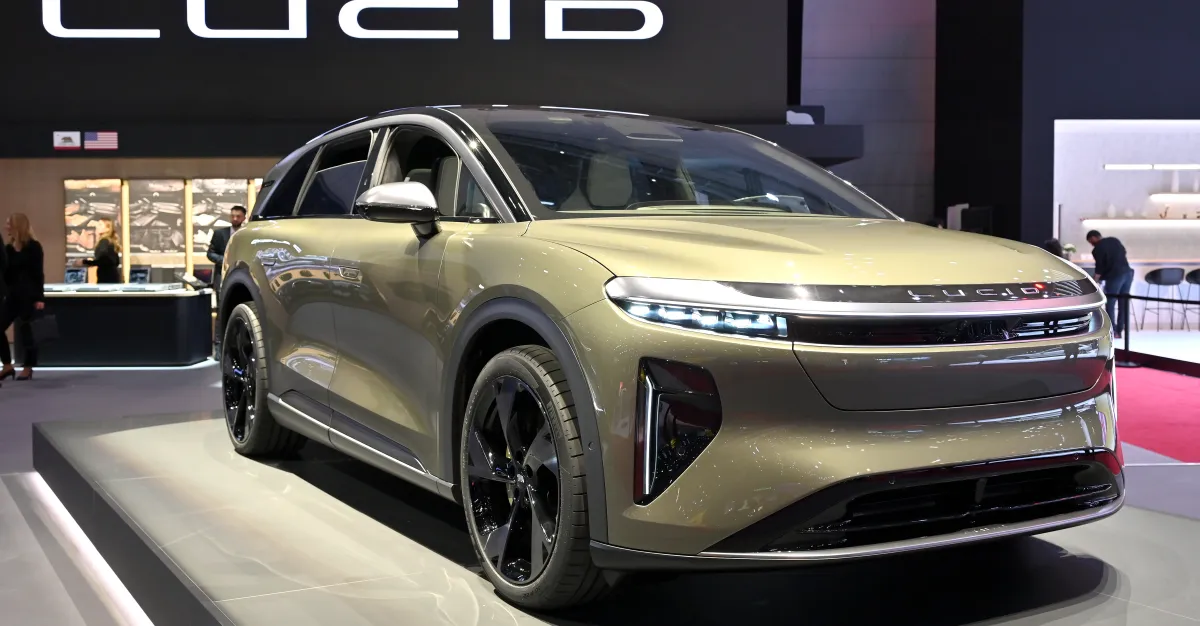
Lucid Motors shares plummeted by up to 50 per cent following reports that restructuring firm AlixPartners had advised the board to consider Chapter 11 bankruptcy or a take-private deal. The volatility, described as one of the worst single-day drops in the company’s history, occurred despite swift denials from Lucid, which labelled the allegations “completely false” and cited available free cash flow as evidence of sufficient operational runway into next year.
The initial report came from trade publication EV, which also suggested AlixPartners encouraged the board to further restructure operations in the US and Europe while focusing on the Gravity SUV. Lucid confirmed it had engaged the restructuring firm but denied any such recommendations were made. Chief communications officer Nick Twork stated the engagement was intended to improve execution, strengthen operations, and position the company to realise the full potential of its technology and products.
In response to the market turmoil, Lucid’s chief legal officer Brian Tomkiel filed a cease and desist order against the publication EV, alleging the report directly caused serious injury to investors and the company itself. The publication, whose URL is misspelled as “eletric-vehicle.com,” remains the sole source of the initial scoop, with no other media outlet confirming the specific claims regarding AlixPartners’ advice to the board.
The incident has exacerbated broader investor anxiety regarding the financial stability of EV-only automakers. Lucid’s financial position is under significant pressure, having reported losses exceeding $1 billion in the first quarter of 2026. The company has also undergone two rounds of workforce reductions this year, cutting 12 per cent of staff in February and a further 18 per cent in June, alongside reduced production at its Arizona factory to manage high inventory levels.
Market panic quickly spread to rival EV companies, with shares of Rivian and Polestar also falling as traders speculated on the long-term viability of pure-play electric vehicle manufacturers. The sector faces headwinds including slowing consumer demand, policy shifts, and leadership changes, such as the departure of Lucid’s COO Marc Winterhoff.
All three companies are increasingly reliant on major stakeholders for survival, with Lucid backed by Saudi Arabia’s Public Investment Fund, Polestar by Geely, and Rivian by Volkswagen. This dependence highlights the precarious nature of their business models as they navigate a challenging landscape where EV sales stabilisation remains a distant promise for many.
