Lucid Motors withdraws annual EV production guidance amid cost-cutting and supply delays
Following a 29-day production disruption and a 12% workforce reduction, Lucid Motors has abandoned its forecast of 25,000 to 27,000 vehicles for the year, citing the need for sharper execution.
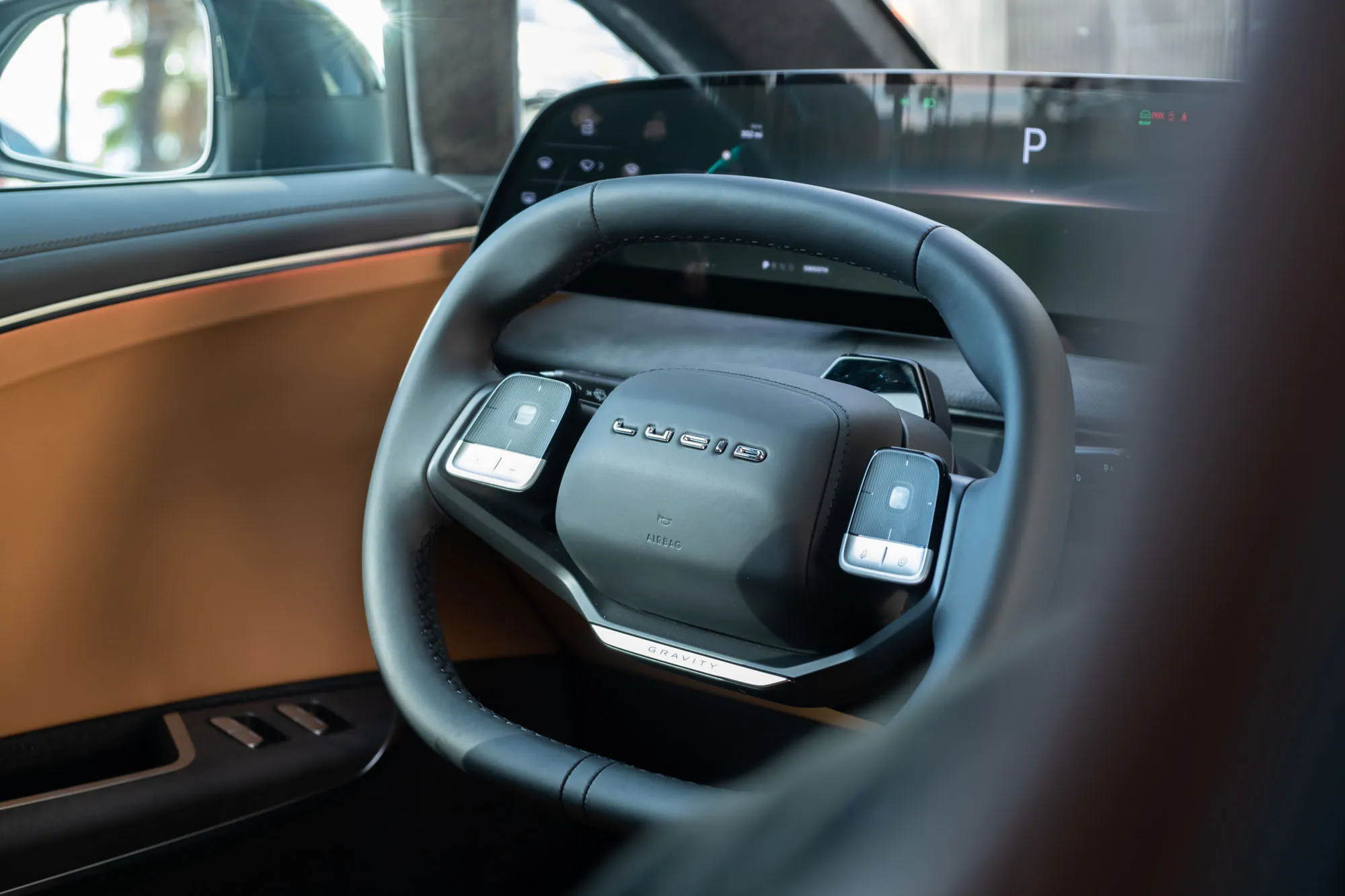
Lucid Motors has officially withdrawn its guidance for the number of electric vehicles it intends to build and sell this year. The decision, announced by Chief Financial Officer Taoufiq Boussaid during the first-quarter earnings call, marks a significant shift from the company's previous estimate of producing between 25,000 and 27,000 units. This revised stance comes as the firm navigates a period of intense operational adjustment under incoming CEO Silvio Napoli.
The move to suspend output targets was characterised by company leadership as a governance decision designed to facilitate a comprehensive business review. Incoming CEO Silvio Napoli emphasised that realising Lucid's full potential requires a sharper focus on simplification, prioritisation, and speed. The company expects to provide a full updated outlook during its second-quarter earnings call, which is scheduled to take place in a few months.
This strategic pivot follows a challenging first quarter marked by a 29-day production disruption and a temporary stop-sale caused by issues with a seat supplier. The supply chain hiccup contributed to a worse-than-expected start to the year and resulted in inflated inventory levels. Consequently, Lucid stated it is not constrained by capacity but must exercise discipline to avoid building inventory ahead of demand, with production volumes to be scaled according to developing market conditions.
In parallel with the production review, the company is implementing a companywide cost-cutting initiative. This programme follows the recent layoff of 12 per cent of its workforce. Lucid indicated that while the immediate cost of these reductions is expected to be around $40 million, the cuts are projected to save up to $500 million over the next few years. The incoming leadership views these measures as essential to aligning the business with current market realities.
Despite the uncertainty surrounding this year's specific output figures, Lucid confirmed it remains on track to begin building road-ready versions of its autonomous Gravity SUVs for a robotaxi service by the fourth quarter. This initiative is being developed in partnership with Uber and Nuro. Furthermore, the company reiterated its commitment to the production ramp-up of its mid-size vehicle in 2027, though the launch of its first high-volume vehicle priced under $50,000 is now expected to commence by the end of 2026.
The announcement highlights the evolving landscape of the electric vehicle sector, where capital competition remains fierce. As Lucid recalibrates its strategy, it joins a broader industry shift seen in recent developments, such as Volkswagen becoming Rivian's largest shareholder. The automotive sector continues to navigate the transition to new leadership and operational efficiencies as companies seek sustainable paths forward.
