Lotus reverses EV-only pledge to resume combustion engine production under new Focus 2030 strategy
Plans include a flagship hybrid V8 supercar, the Type 135, expected to debut in 2028, alongside an updated version of the current Emira model.
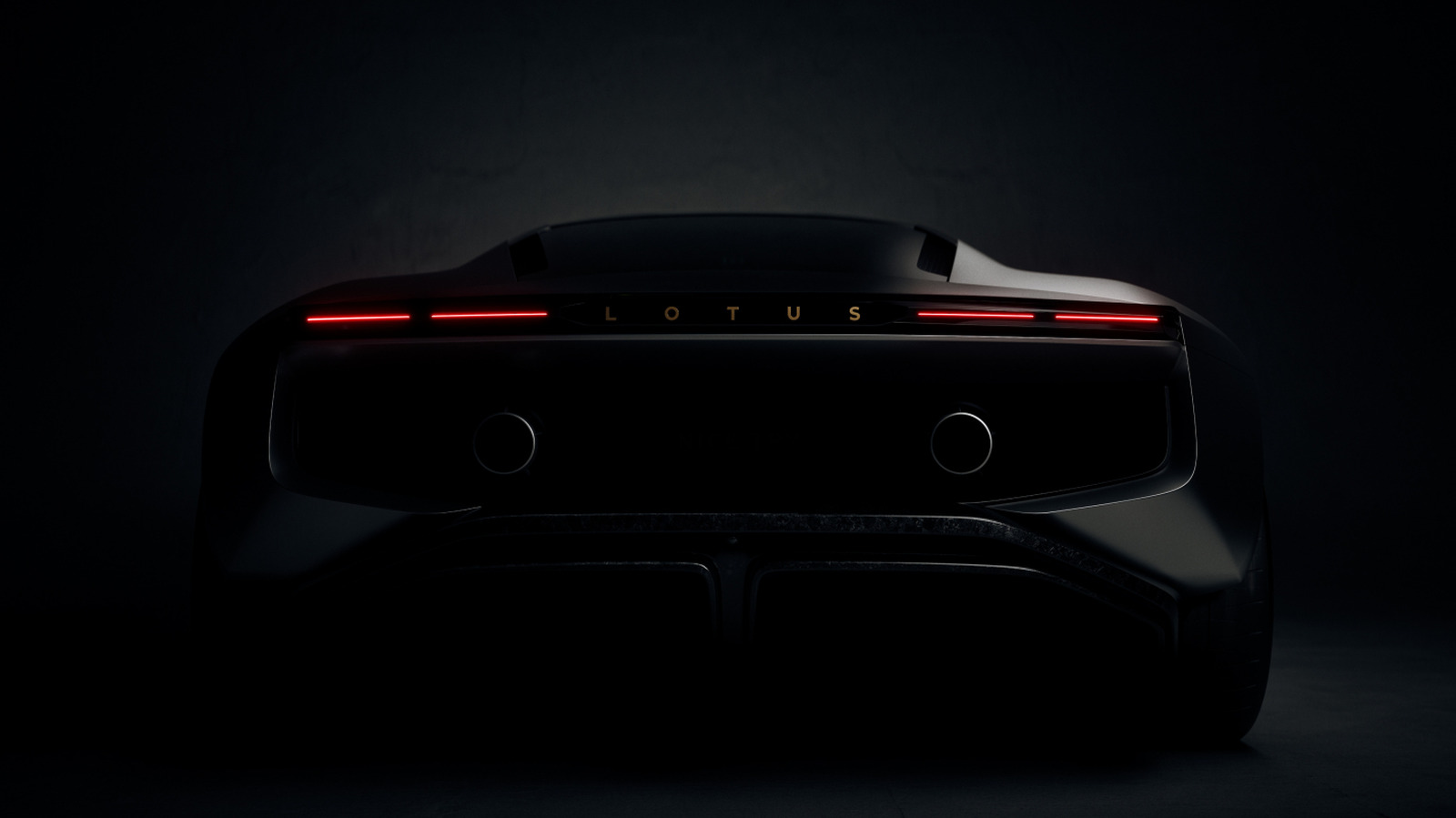
Lotus has officially announced a strategic reversal of its previous commitment to becoming a pure electric vehicle manufacturer. The British car maker has unveiled a new roadmap titled Focus 2030, which explicitly includes the return of vehicles powered by internal combustion engines, alongside hybrid and electric powertrains. This decision marks a significant shift in the company's direction, moving away from the exclusive focus on electrification that was previously outlined.
The new strategy aligns with Lotus's ownership by Geely and involves the unification of its UK and Chinese divisions. Under the revised plan, the company intends to utilise its Hybrid-X technology, previously seen in the China version of the Eletre, as a key pillar for future models. This approach suggests that hybrids will likely form the core of the upcoming product range rather than being a secondary offering.
Central to this pivot is the development of a new flagship supercar, the Type 135, which is expected to debut in 2028. The vehicle will feature a hybrid V8 powertrain capable of 986 horsepower. While the specific production location remains a hope rather than a confirmed plan, there are indications that manufacturing could occur in Europe. This project represents a return to the V8 lineage last seen with the Esprit, which ended production in 2004.
In response to sustained demand for petrol-powered sports cars, Lotus also plans to release an updated version of its current gas-powered model, the Emira. The company describes this upcoming iteration as the most powerful and lightest version of the car built to date. Details regarding the specific timeline for the Emira update are currently vague, with the company stating it will be announced in the coming weeks.
Concurrently, the company has scaled down its annual sales targets from an ambitious 150,000 units to a more realistic 30,000 units. This adjustment reflects a stated goal of achieving sustained profitability rather than rapid volume growth. The revised expectations acknowledge the company's historical sales figures, which have often measured less than 10,000 units annually, while still aiming for a significant increase.
The Focus 2030 plan does not provide a detailed timeline for the full rollout of the strategy beyond the 2028 debut of the Type 135. Furthermore, the feasibility of manufacturing the high-performance hybrid V8 in Europe remains unconfirmed. Despite these uncertainties, the announcement signals a pragmatic approach to the market, prioritising the revival of combustion engineering and financial stability over a rushed transition to full electrification.
