Logitech abandons G Cloud sequel amid low engagement and cloud infrastructure costs
The Swiss hardware maker confirms it is not developing a second-generation G Cloud, pivoting focus toward potential partnerships with major cloud providers rather than standalone device manufacturing.
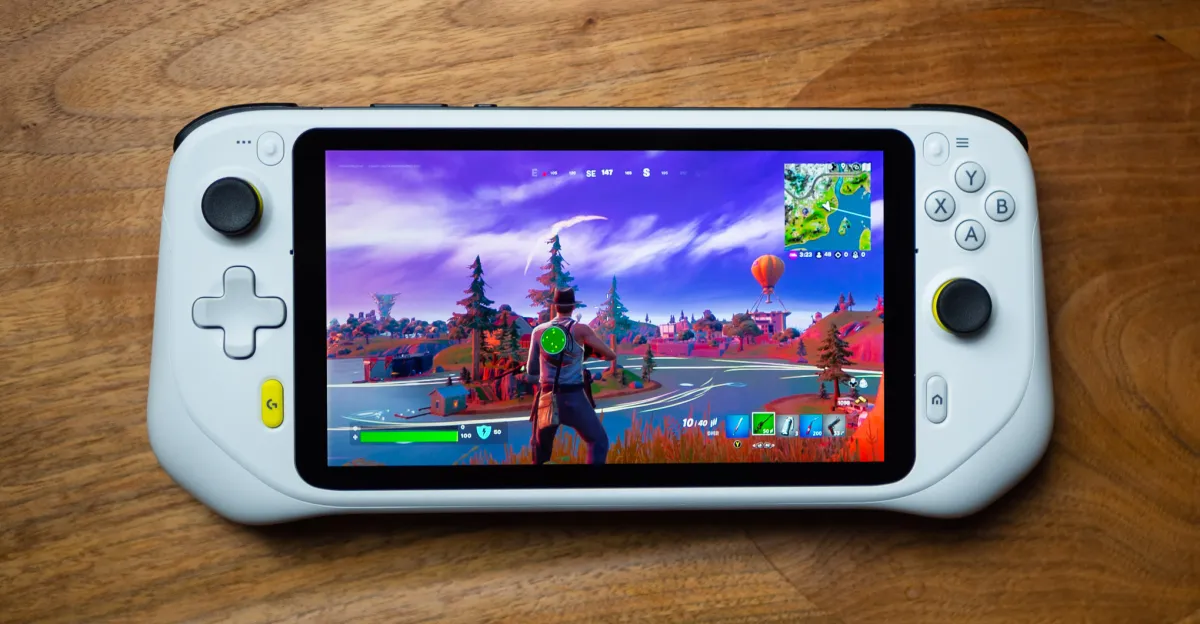
Logitech has confirmed it is not currently developing a sequel to its G Cloud handheld gaming device, marking a strategic retreat from the standalone hardware market. Robin Piispanen, the company’s new gaming executive, stated that the firm is not rushing to build a second-generation unit, citing low long-term user engagement and significant stagnation in cloud gaming infrastructure as primary deterrents.
Piispanen revealed that approximately 80 per cent of G Cloud owners purchased the device, used it briefly, and then stored it in a drawer. This data suggests limited sustained demand for the streaming-focused hardware, which launched in 2022 at $350. The original device struggled to compete with the Steam Deck, which offered local processing capabilities and did not rely on reliable internet connectivity, a critical advantage given the technical limitations of current cloud infrastructure.
The executive highlighted that major cloud gaming providers have explicitly noted the high operational costs associated with running these services. Microsoft, for instance, has emphasised that cloud gaming remains expensive to maintain. This financial reality, combined with rising memory costs in the broader hardware market, has made the standalone handheld business model challenging for manufacturers that do not own significant content libraries or operate at massive scale.
Despite pausing hardware development, Logitech remains interested in the cloud gaming sector. Piispanen confirmed the company is actively discussing potential partnerships with major providers, including Microsoft and Tencent. The firm is investing in the future of cloud technology, viewing it as a solution to weight, battery life, and graphics constraints, although no timeline for a new product release has been committed.
Logitech’s core competencies lie in design and input devices rather than content creation or large-scale infrastructure management. Piispanen noted that entering the standalone handheld market would require significant scale and content ownership, assets typically held by competitors like Nintendo or Sony. With slim profit margins and high barriers to entry, the company has decided to focus on other priorities while monitoring the evolution of cloud infrastructure costs.
