Logistical complexities of multi-timezone tournament structure emerge ahead of 2026 World Cup
As the 2026 FIFA World Cup approaches, the coordination of 48 teams across 16 host cities in three countries presents significant administrative hurdles, particularly regarding time zone management and athlete welfare protocols.
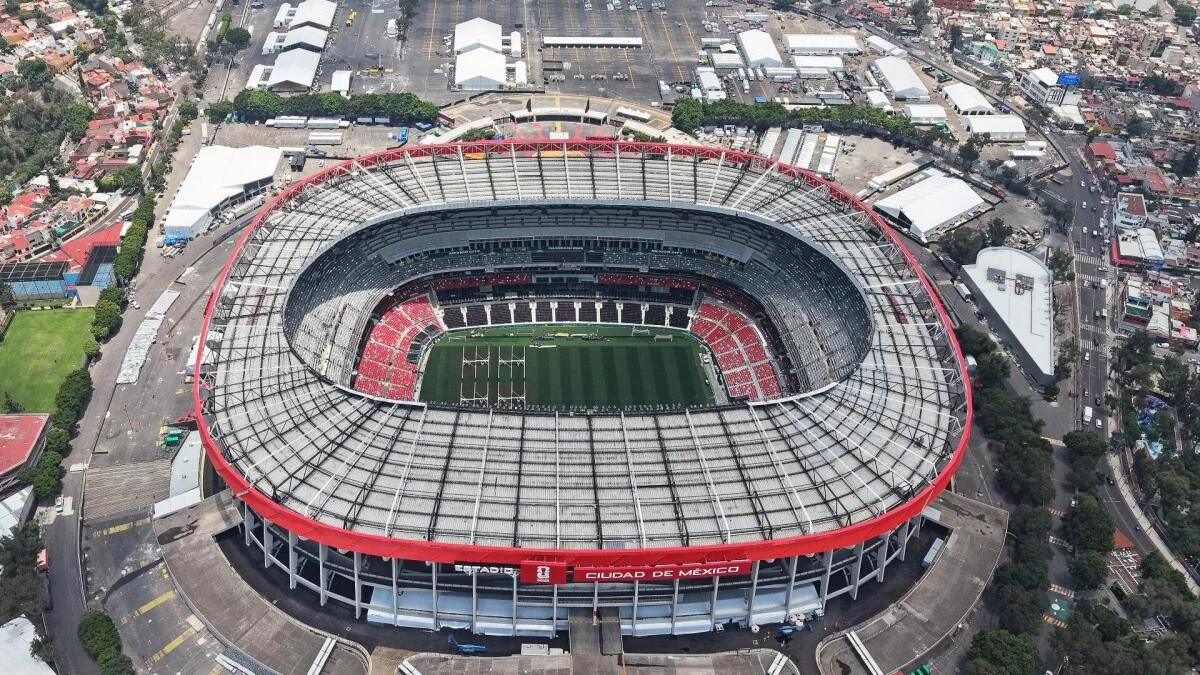
The 2026 FIFA World Cup, co-hosted by the United States, Mexico, and Canada, is set to commence on June 11 with an opening match between Mexico and South Africa at Estadio Azteca in Mexico City. The tournament, which runs until July 19, features an expanded format of 48 teams and 104 matches across 16 host cities. This structural expansion introduces unique logistical challenges, most notably the management of four distinct time zones, which requires complex coordination for travel schedules and broadcast operations.
The United States has established a base camp in Irvine, California, to minimise travel and adjustment issues for its national team. This strategic placement aims to mitigate the fatigue associated with cross-country movement during the group stage. While most participating nations will remain within similar geographic regions, the logistical demands of the expanded tournament require careful planning to ensure competitive fairness and athlete recovery.
Canada faces a distinct operational challenge as the only host nation scheduled to play matches in different time zones. The Canadian team begins its campaign in Toronto against Bosnia and Herzegovina before moving to Vancouver for subsequent group stage fixtures. This requirement to shift between Eastern and Pacific time zones adds a layer of complexity to their preparation and travel itinerary compared to other host nations.
A notable administrative shift affecting time zone alignment occurred in 2023 when Mexico ceased observing Daylight Saving Time. This policy change means that Mexican cities are now one hour behind their American counterparts in the same geographic region. For instance, the opening match kickoff at 3 p.m. Eastern Time corresponds to 2 p.m. Central Time in the United States, 1 p.m. in Mexico City, and 12 p.m. Pacific Time. This discrepancy requires precise communication for international broadcasts and team scheduling.
Beyond logistical coordination, the tournament has drawn attention to environmental and security considerations. Forecasters from the World Weather Attribution research group have warned of potential health risks from extreme heat, estimating that 26 of the 104 games may be played in conditions where the Wet Bulb Global Temperature exceeds 26 degrees. Additionally, the event serves as a benchmark for regional stability, with recent political discourse highlighting concerns regarding security and order in Mexico ahead of the global spotlight.