Local election count reveals deep fractures in Labour's coalition across England, Wales and Scotland
With Labour anticipating losses of close to 2,000 seats, the coming declarations will determine whether the party's support base is fragmenting into rival blocs or merely shifting
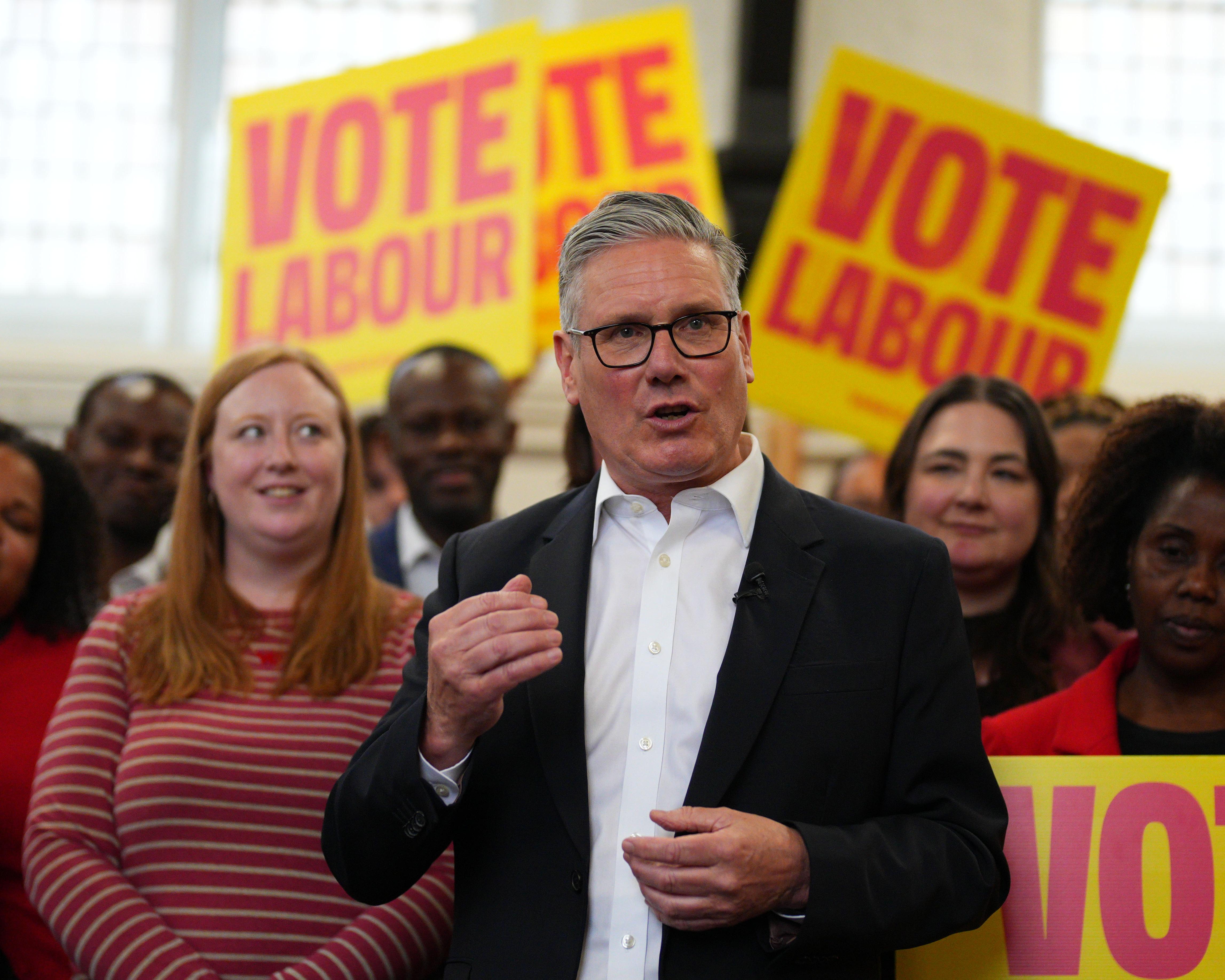
Local election results across England, Wales and Scotland are expected to be reported in waves from Friday morning to Saturday afternoon, a timeline that offers a stark preview of the challenges facing the current government. Party strategists anticipate Labour will lose close to 2,000 seats, but the primary concern extends beyond the raw numbers to the specific origins of those losses. The damage could be significantly worse if the party fails to retain its traditional anchors in Wales and Scotland, a situation that could trigger a deep political crisis within the organisation.
While the count progresses, Reform UK aims to gain power in areas driven by anger over immigration and living standards, targeting working-class communities where the party hopes to penetrate Labour's historic base. Simultaneously, the Greens seek to challenge Labour in progressive cities, capitalising on a shift in the urban vote. Independents are also capitalising on anger over Gaza in parts of Blackburn, Birmingham and east London, further complicating the landscape for the governing party.
Key battlegrounds include Hartlepool, Oxford, Dudley, Hampshire, Wandsworth, Bexley, Havering, Manchester, Sheffield, Rutherglen & Cambuslang, Motherwell & Wishaw, Essex, Norfolk, Sunderland, Barnsley, Hackney, Harrow, Barnet, Barking and Dagenham, Camden, Lambeth, Newham, Birmingham and Bromley. These locations serve as critical indicators of national trends, with specific constituencies flagged as early tests for Reform UK and progressive fragmentation respectively.
In Wales and Scotland, the stakes are particularly high given the party's historical reliance on these regions. While local council elections are not held in Scotland, counting for the Scottish parliament elections is occurring, with specific seats being watched for signs of stalled Labour recovery. Heavy losses in Wales would carry consequences far beyond local government, raising questions about whether Labour's support is weakening even in a territory once considered foundational ahead of the next Senedd election.
The results will arrive in waves on Friday into Saturday, with the early hours producing only a handful of declarations that could shape the mood of the entire election. Hartlepool is one of the first major tests of whether Reform UK can convert polling momentum into real council gains, while Oxford could offer an early sign of how fragmented progressive and anti-Tory voters have become.
As the count continues through the afternoon and into Saturday, the national narrative is likely to form around a country fragmenting into different political blocs. Reform performing well in towns Labour once dominated, Greens growing in progressive cities, and independents challenging Labour in diverse urban areas suggests a simultaneous erosion of support. For the prime minister, the most dangerous outcome would not necessarily be catastrophic losses in one place, but evidence of this widespread fragmentation across the coalition.