LNG tankers and crude vessel transit Strait of Hormuz as markets weigh reopening prospects
The transit marks a development in the region’s shipping lanes, occurring as global financial markets react to ongoing US-Iran negotiations and high-level diplomatic talks in Beijing.
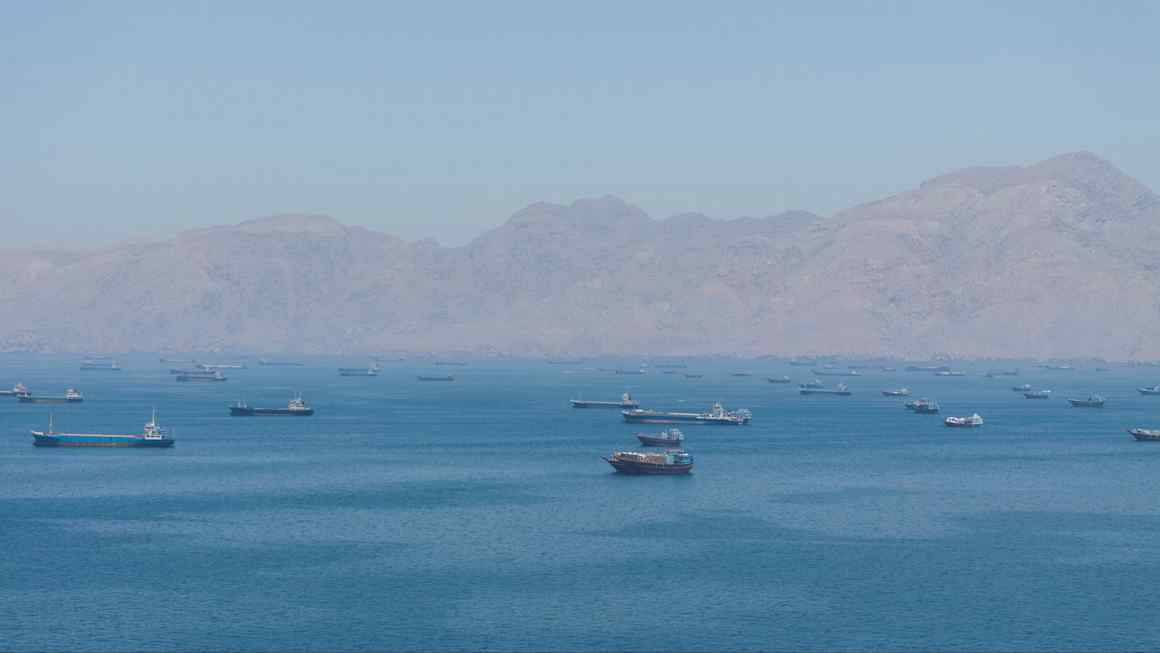
Two liquefied natural gas tankers and a separate vessel carrying crude oil passed through the Strait of Hormuz on Saturday, according to a report by the Financial Times. The movement of these vessels through the vital shipping lane represents a tangible development in a region that serves as a critical artery for global energy supplies.
The Strait handles approximately one-fifth of the world’s oil and a substantial share of liquefied natural gas. Disruptions in the area have historically driven up freight costs, energy prices, and insurance premiums, while also impacting fertiliser production due to its reliance on natural gas. The interconnected nature of these systems means that any shift in shipping flows carries significant weight for global markets.
Global financial markets have reacted swiftly to the prospect of a deal regarding the reopening of the Strait. Brent crude oil prices fell approximately 5% to $98.47 a barrel, while Japan’s Nikkei 225 index surged more than 3%. The rally in Asian markets was driven by investor hopes that the conflict would conclude, allowing for the resumption of normal shipping flows.
These economic developments unfold against a backdrop of intense diplomatic activity. US President Donald Trump and Chinese President Xi Jinping held a summit in Beijing, placing the Strait of Hormuz on the agenda alongside trade and artificial intelligence. The discussions highlight the strategic importance of the region in broader geopolitical negotiations.
Meanwhile, US and Iran negotiations regarding the reopening of the Strait continue amid global economic risks. While the passage of the tankers on Saturday suggests some movement, the timing of any potential full reopening remains uncertain. Investors are closely monitoring these diplomatic efforts, as the stability of the shipping lane is crucial for stabilising energy costs and insurance premiums worldwide.