LIV Golf enters critical transition period as Saudi funding ceases
Following the Public Investment Fund's decision to cut all financial support at the end of the current season, the league faces an existential crisis regarding its future identity and financial sustainability.
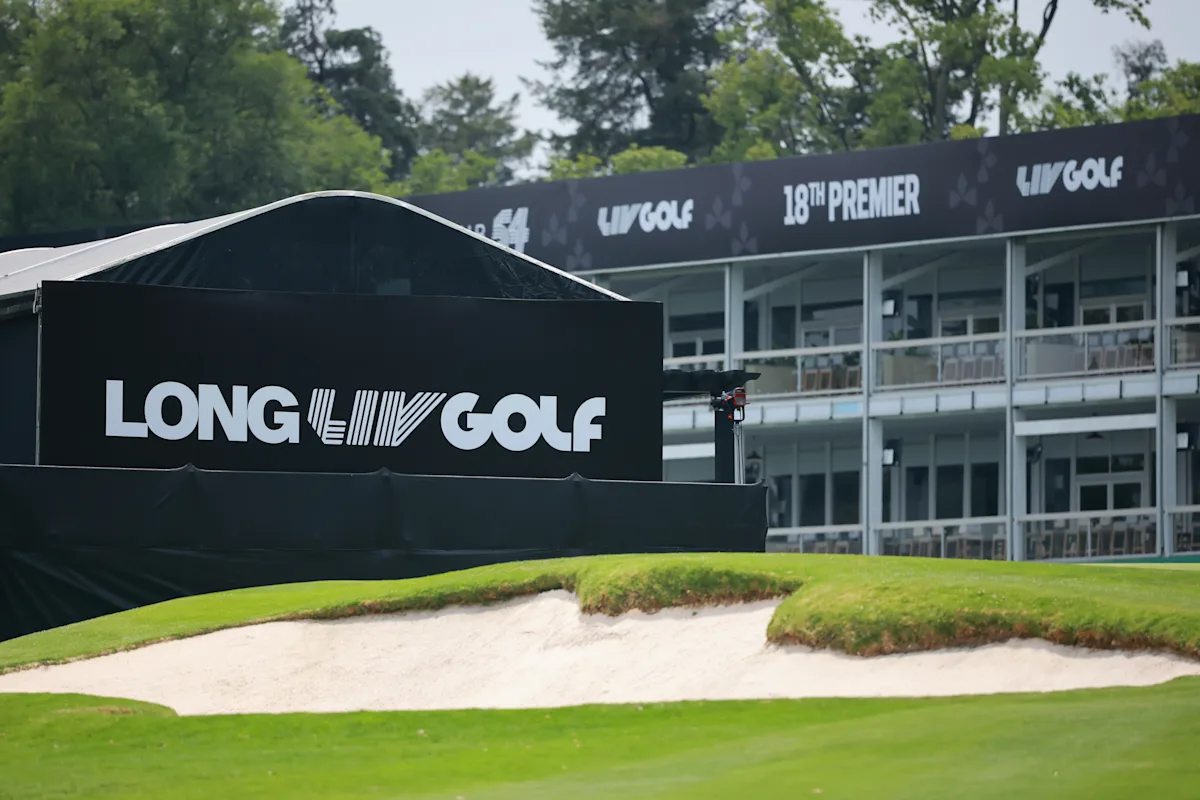
LIV Golf is entering a critical transition period after Saudi Arabia's Public Investment Fund announced it will cease all financial support at the conclusion of the current season. This decision forces the tour to immediately address an existential crisis regarding its future identity and financial model, moving from a heavily subsidised operation to one that must rely on sponsors and ticket sales.
The Public Investment Fund has confirmed it will cut off funding at the end of the season, ending the near-trillion-dollar financial foundation that underpinned the tour's lavish operations. Financial analysts estimate LIV has already burned through between $5 billion and $8 billion of Saudi funds over its first four years, necessitating a drastic reduction in expenditure comparable to a graduate moving from a family home to a small apartment.
Despite the funding withdrawal, the league retains its top players and has begun gaining legitimacy through official rankings and acceptance by traditional golf institutions. The tour has secured Official World Golf Ranking points and received explicit recognition from Augusta National during the green jacket ceremony, marking a shift from a vanity project to a recognised competitor in the sport.
Operational adjustments appear inevitable as the current model, characterised by high spending on hospitality and production, is financially unsustainable without PIF backing. The tour must now determine if it can survive by striking deals with legacy tours or if smaller purses and reduced footprints will become the new normal for its events.
While the tour struggles to connect with traditional American golf fans, posting anemic television ratings, it has found success in underserved international markets like Australia and South Africa. Players have expressed strong satisfaction with the team golf format and equity offerings, with some stating they would rather not play golf than return to the PGA Tour.
The path forward remains uncertain as the league scrambles to find a way forward or an exit ramp. The tour must now craft the right answer to one essential question: what, exactly, is LIV Golf trying to be in an era defined by commercial reality rather than state-sponsored spectacle.