Life Could Be a Dream review – a powerful, polished Australian film about domestic abuse
Starring Maeve Dermody and Alexander England, the film explores coercive control through a fragmentary narrative that balances visual polish with emotional weight.
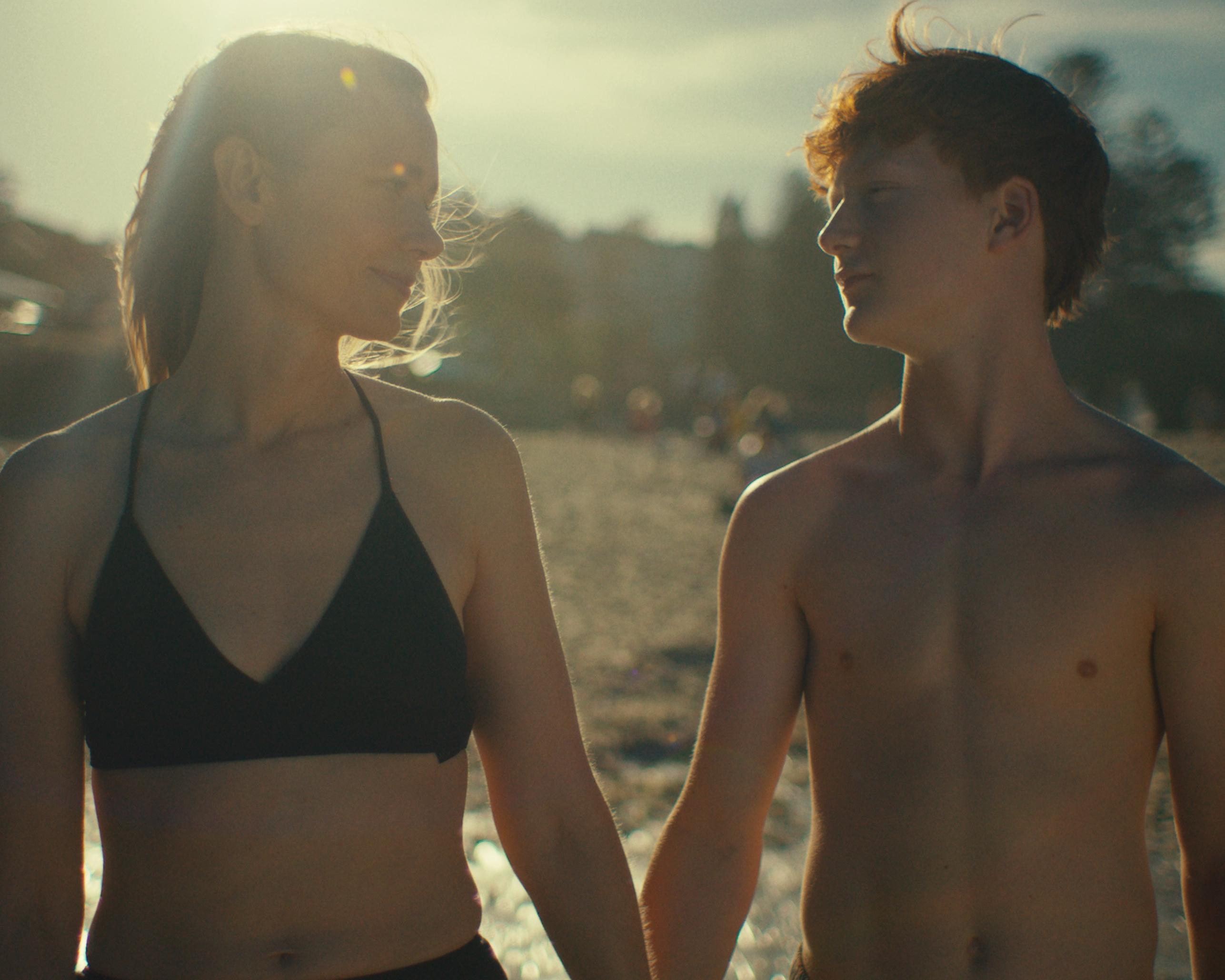
The Guardian has published a review of Life Could Be a Dream, an Australian drama directed by Jasmin Tarasin that examines the complexities of domestic abuse. The film, which is scheduled for release in Australian cinemas on 14 May, stars Maeve Dermody as Sarah, a real estate agent, and Alexander England as her husband, Jake. The narrative follows Sarah and her 13-year-old son, Otis, as they flee a coercively controlling marriage and take refuge in a vacant mansion.
The review describes the film as powerful and polished, noting its intimate, close-quartered focus on the mother-son dynamic. Director Tarasin employs a fragmentary narrative structure, blending present-day scenes with darker flashbacks to the marriage. The opening sequence features a haunting visual motif of a woman in a white dress suspended underwater, a technique the reviewer compares to the iconic imagery in The Piano. This visual language continues throughout, with the review drawing parallels to the colour grading of wedding scenes in Netflix’s Something Very Bad Is Going to Happen.
Domestic abuse remains an underexplored topic in Australian cinema, with Noora Niasari’s 2023 drama Shayda cited as the previous best local film to tackle the subject directly. Life Could Be a Dream distinguishes itself through its tightly concentrated focus, with virtually no subplots or narrative detours. The story unfolds primarily between Sarah and Otis, who pretend they are on an overseas vacation while staying in the empty property. This setup allows the film to explore the psychological toll of trauma and the difficult task of protecting a child from it.
Cinematographer Meg White is credited with creating rich visual textures, with specific praise for the lighting and composition of a scene where the pair eat fish and chips by the coast. The review highlights Sonny McGee’s performance as Otis, particularly a moment where he recounts his father’s comment that women exaggerate. This scene illustrates the boy’s internal conflict, as he looks up to his father while sensing something troubling in his words. Maeve Dermody’s performance is noted for conveying a split between outward composure and inner turmoil, capturing the exhaustion and fear that shadow her character.
While the review praises the film’s performances and visual style, it criticises the final act for not entirely cohering, feeling more unresolved than open-ended. The reviewer suggests this may reflect the nature of trauma, noting that the stories of our lives are rarely wrapped up in neat bows. Despite this critique, the film is described as a memorable and powerful entry in contemporary Australian cinema, offering a nuanced look at coercive control and resilience.