Life Biosciences begins first human trial for ER-100 longevity therapy
The company has received FDA clearance for the first cellular rejuvenation trial of its kind, aiming to restore sight by reversing age-related cellular changes.
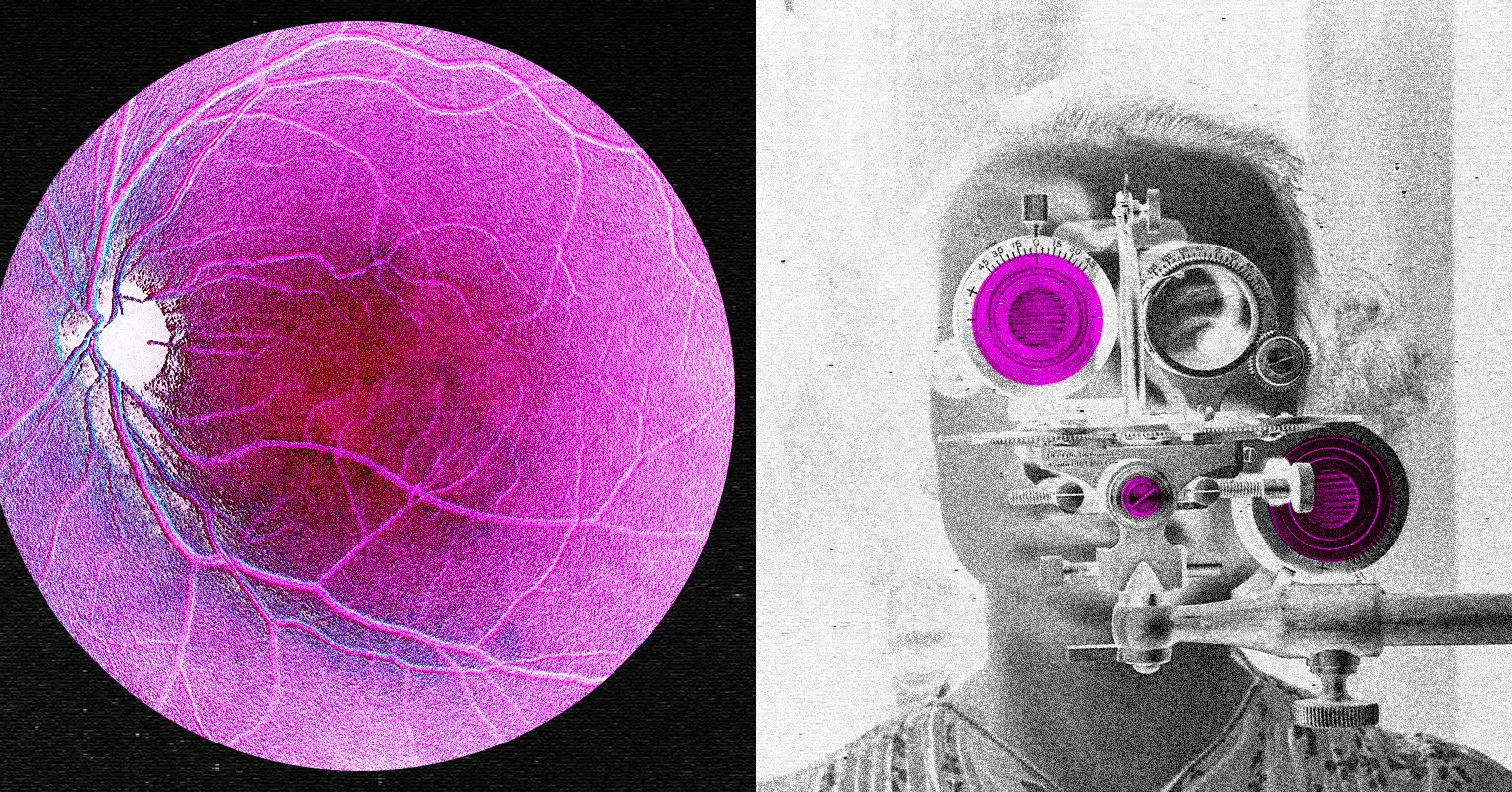
Life Biosciences has administered its experimental drug, ER-100, to its first human patient, marking a significant milestone in the commercialisation of cellular rejuvenation therapies. The Boston-based longevity startup is initiating a clinical trial to assess the safety and side effects of the drug in approximately 18 adults over the next 12 months. This study represents the first time the technology has been tested on humans, following earlier claims by the company that it restored vision in monkeys.
The trial specifically targets patients suffering from glaucoma and non-arteritic anterior ischaemic optic neuropathy (NAION), two conditions that cause damage to the cells within the optic nerve. ER-100 is designed to rejuvenate these specific cells, with the aim of restoring their function and, consequently, sight. The therapy has received clearance from the US Food and Drug Administration (FDA), making it the first cellular rejuvenation treatment using this particular technology to enter human clinical trials.
David Sinclair, co-founder of Life Biosciences and a professor of Genetics at Harvard Medical School, described the study as a critical juncture for the field. He stated that the research suggests aging is driven largely by the loss of epigenetic information rather than irreversible physical damage. According to Sinclair, this clinical trial offers the first opportunity to test whether restoring that epigenetic information can ameliorate human disease.
Aging biology, which seeks to understand how the body’s cells and functions deteriorate over time, forms the foundation of longevity science. ER-100 has attracted considerable interest across the biotech sector for its potential to reverse cellular aging. Life Biosciences is currently developing applications for its technology to address a range of other age-related diseases affecting various organs, including fatty liver disease.
While the initial doses have been administered, the long-term efficacy of ER-100 in humans remains to be determined. The current phase focuses on safety and side effects, with results expected to provide insight into whether the vision restoration observed in animal models can be replicated in human patients with optic nerve damage.