Library of Congress adds Doom soundtrack to National Recording Registry
The Library of Congress has inducted the original soundtrack for the video game Doom into its National Recording Registry, recognising the innovative use of MIDI technology by composer Bobby Prince.
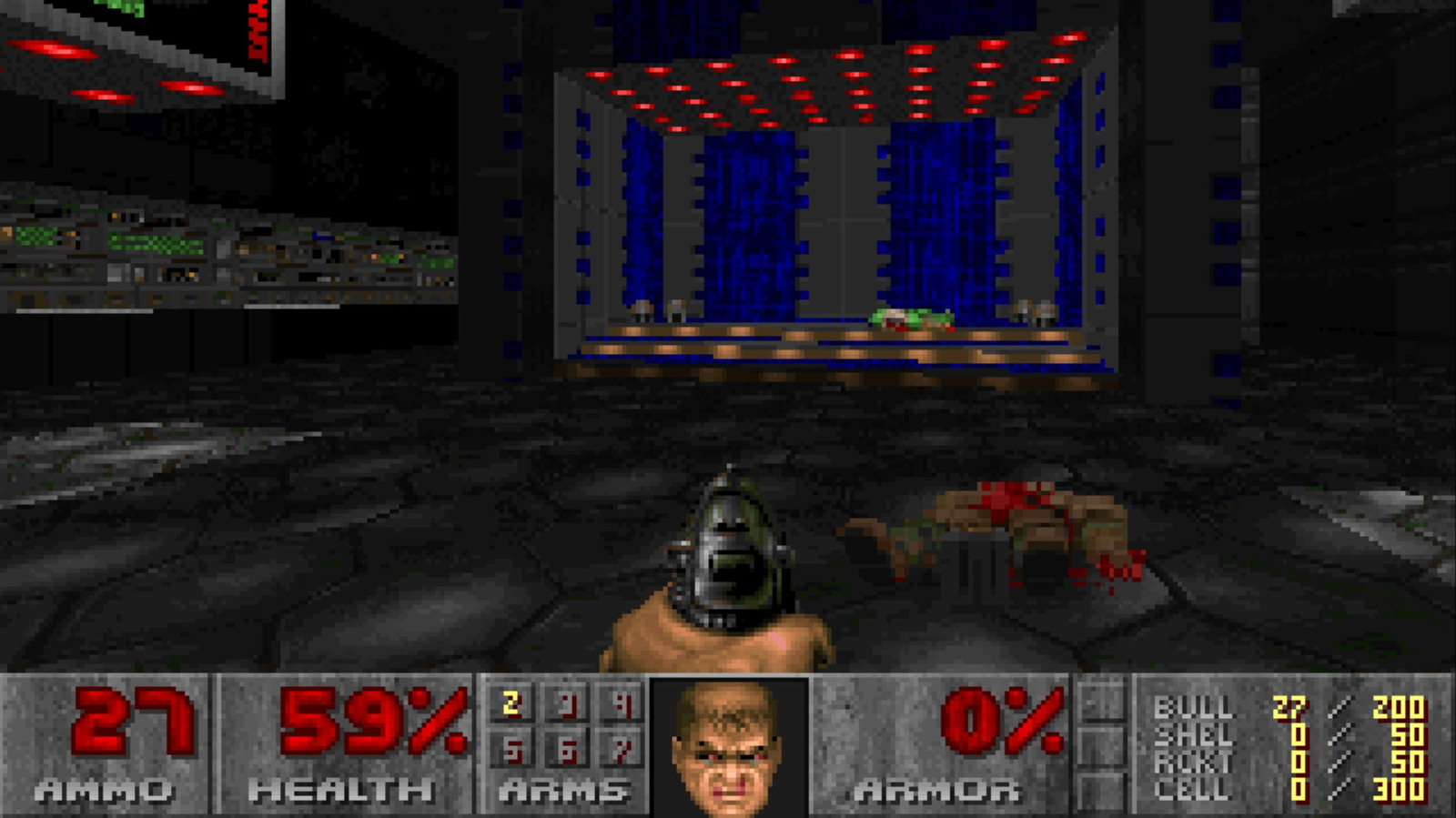
The Library of Congress has inducted the original soundtrack for the video game Doom into the National Recording Registry, marking the preservation of a significant piece of digital culture. Composed by Bobby Prince in 1993, the album is recognised for its innovative use of MIDI technology to create an eclectic soundscape that blends metal, techno, and ambient music.
The induction brings the total number of titles in the National Recording Registry to 700. The registry preserves sound recordings that are culturally, historically, or aesthetically significant, with the latest additions spanning multiple genres and formats. A playlist of all 2026 inductees is available via the Digital Media Association’s website.
Prince, a freelance composer known for his work on various id Software games including Duke Nukem 3D, composed the entire soundtrack before the game’s levels were completed. According to Prince, he utilised his knowledge of MIDI to assign sound effects to different frequencies, ensuring they could cut through the music despite the limitations of 1993-era sound card drivers.
The Library of Congress noted that Prince composed the music to serve as a "perfect riff-shredding accompaniment" for the game’s narrative. The agency highlighted the technical achievement of fitting the music together given the hardware constraints of the time, praising the composer's ability to ensure audio clarity within the game's environment.
The Doom soundtrack joins several other notable 2026 additions to the registry. These include Weezer’s self-titled debut album, Taylor Swift’s "1989", Beyoncé’s "Single Ladies (Put a Ring On It)", and the original "Mambo No. 5". The inclusion of these diverse works underscores the registry’s commitment to preserving a wide array of musical heritage.
The source material refers to these additions as "2026 inductees". Given the publication date of May 2026, this aligns with the current timeline, though the specific selection cycle details remain as reported by the Library of Congress. The registry continues to expand its collection of significant audio recordings, reflecting the evolving landscape of recorded sound.
The inductees are now part of a permanent archive maintained by the Library of Congress. This recognition highlights the cultural impact of video game music and its place within the broader history of recorded sound. The digital preservation ensures that these works remain accessible for future study and appreciation.
