Leslie’s Pool Supply weighs Chapter 11 as debt restructuring talks intensify
The 63-year-old chain faces a $756 million term loan due in 2028, with its stock removed from the S&P SmallCap 600 and credit rating downgraded to ‘B-’.
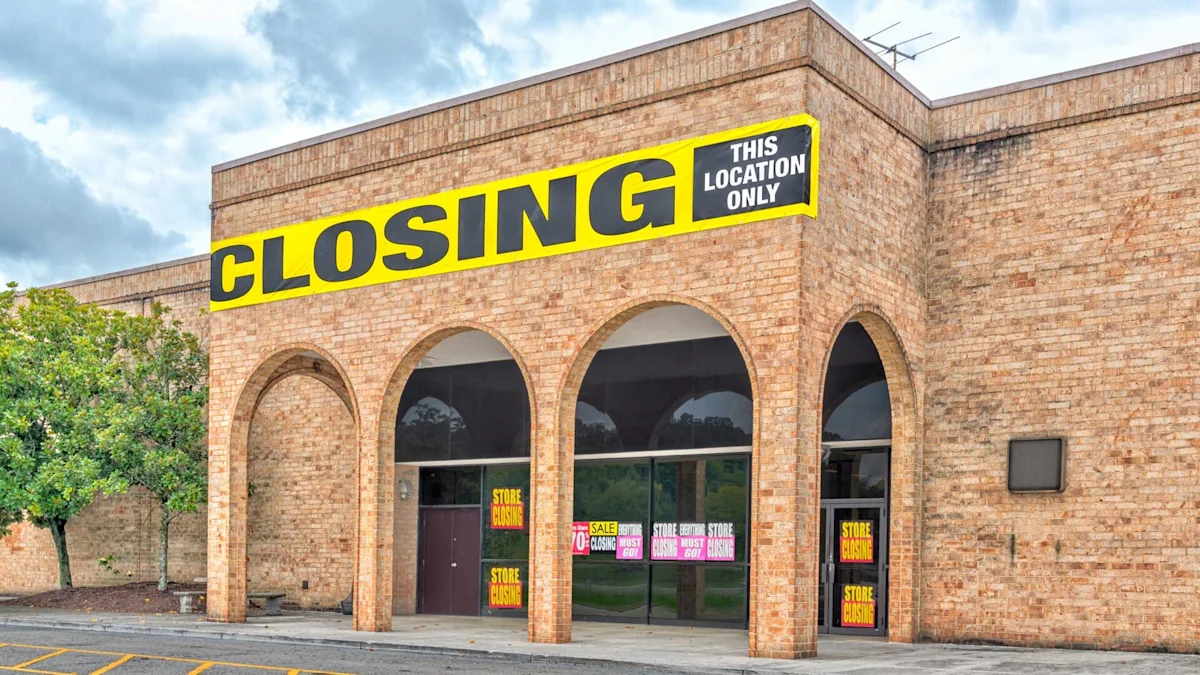
Leslie’s Pool Supply is considering a Chapter 11 bankruptcy filing as it navigates severe financial distress, following the closure of 80 underperforming stores in March. The 63-year-old retailer has engaged Centerview Partners LLC and Simpson Thacher & Bartlett to advise on debt negotiations, while a group of creditors has retained Houlihan Lokey and Akin Gump Strauss Hauer & Feld. Bloomberg reported that the company is exploring strategic options, including debt restructuring, though no final decision has been made.
The potential filing comes after the company reported a net loss of $52.5 million in the second quarter of fiscal 2026. This figure represents a slight increase from the $51.3 million loss recorded in the second quarter of the prior year. Chief Financial Officer Jeffrey White noted that adjusted net loss for the quarter was $50 million, up from $48.3 million in the same period last year. The company also recorded approximately $10.1 million in non-cash impairment charges related to store and asset closures.
Leslie’s faces a significant debt burden, including a $756 million term loan maturing in 2028. According to Bloomberg, this debt is currently trading at approximately 39 cents on the dollar. The retailer’s financial position has been further strained by weak demand and margin pressure, with sales down roughly 16 per cent year-on-year in the first quarter. To streamline its supply chain and reduce expenses, the company also closed one distribution centre in Illinois.
Despite the losses, Chief Executive Jason McDonell highlighted second-quarter revenue growth of 4.3 per cent and comparable sales increases of 6.6 per cent. However, these figures followed significant cost-cutting measures implemented in the first quarter. The retailer has shifted more of its sales to a digital model following the store closures, but the underlying challenge remains a decline in consumer spending on discretionary items.
Investor confidence in the chain has eroded significantly, leading to its removal from the S&P SmallCap 600 index earlier in 2026 due to failing market capitalisation and liquidity benchmarks. S&P Global Ratings has also downgraded the company’s issuer credit rating from ‘B’ to ‘B-’, citing weaker-than-expected business prospects for fiscal 2025. The broader economic uncertainty has impacted luxury and discretionary markets, with only 28 per cent of respondents in a recent Saks Global Luxury Pulse survey reporting optimism about the economy.