Legendary Nintendo Designer Takashi Tezuka Retires After Four Decades
Tezuka, who joined the Kyoto-based firm in 1984, leaves behind a legacy of defining titles while the company signals broader changes among its senior leadership.
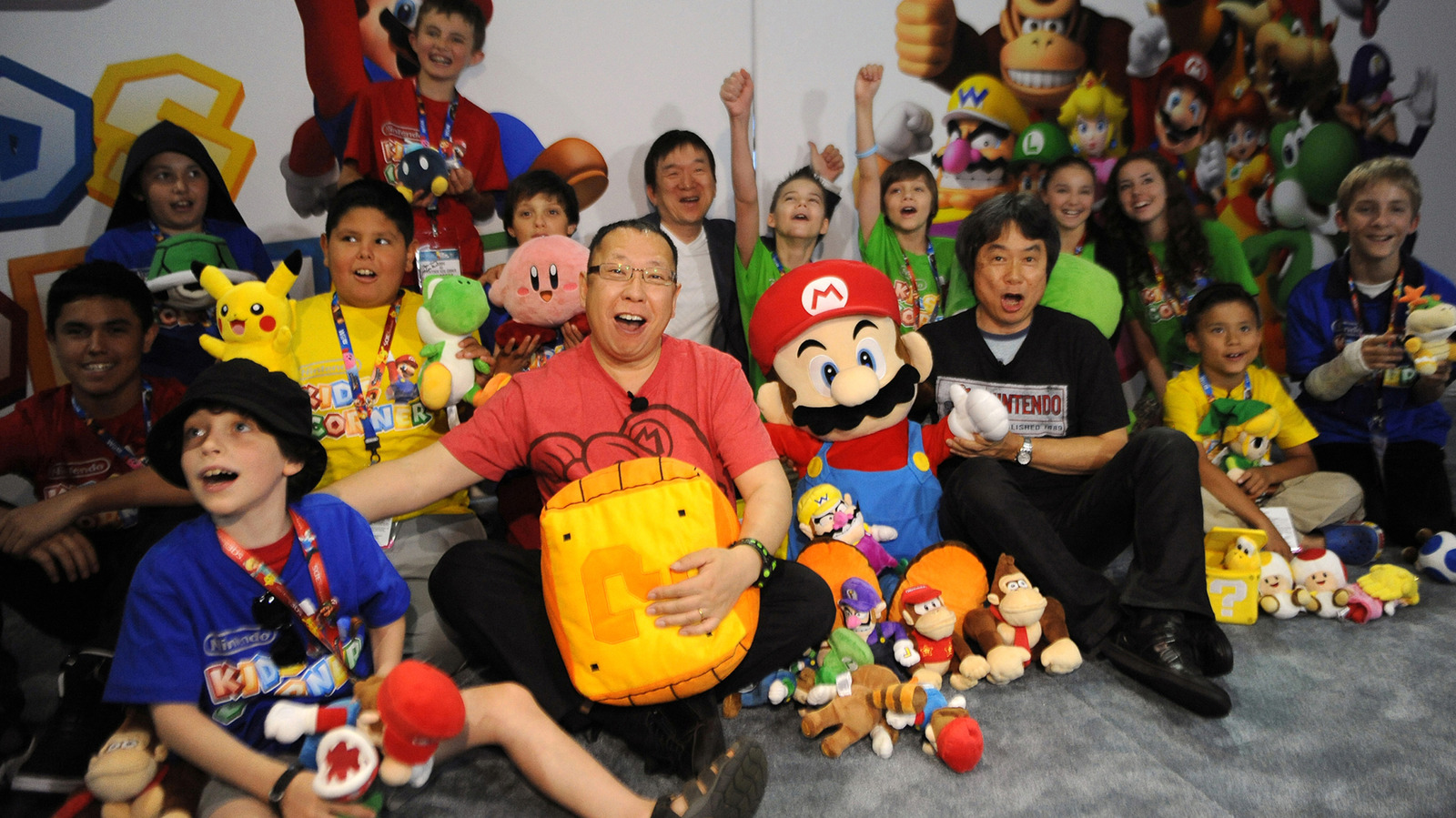
Nintendo has announced the retirement of Takashi Tezuka, a legendary designer who helped create the first Mario and Zelda games. The official document detailing this personnel change was released during the company's quarterly earnings release. Tezuka is stepping down from his role as an Executive Officer after more than 40 years of service at the firm.
Tezuka's journey at the company began in 1984, when he was initially hired part-time to assist with the development of Punch-Out!!. At the time, the Osaka-born designer was not a gaming enthusiast and had not even encountered Pac-Man before joining the Kyoto-based company. Despite this lack of prior experience, he quickly learned the intricacies of game development and formed an enduring creative partnership with Shigeru Miyamoto.
Over his four-decade career, Tezuka directed or wrote numerous titles that defined the industry. His key contributions include Super Mario Bros. 3, Super Mario World, and The Legend of Zelda: A Link to the Past. He also served as an assistant director on Super Mario 64 and supervised the early 3D Zelda entries on the N64. His most recent credited projects include Super Mario Wonder, Princess Peach: Showtime!, and Mario & Luigi: Brothership.
In 2018, Tezuka joined the board of directors, cementing his position within the company's governance structure. Now 65, his departure marks a significant leadership transition as the company prepares for future changes. His exit is part of a broader trend where senior figures at Nintendo are approaching retirement age, with Tezuka being eight years younger than Miyamoto.
It remains unclear if Tezuka will retain any role at Nintendo following his departure. While the specific nature of his future involvement has not been disclosed, his retirement highlights the shifting dynamics within the organisation as it moves forward without its old guard.
