Legal Resident Deported in Enforcement Blitz, Ruled Unlawful by Federal Judge
A federal court has overturned the deportation of a long-term US resident with legal status, highlighting the collateral damage of aggressive enforcement policies under the Trump administration.
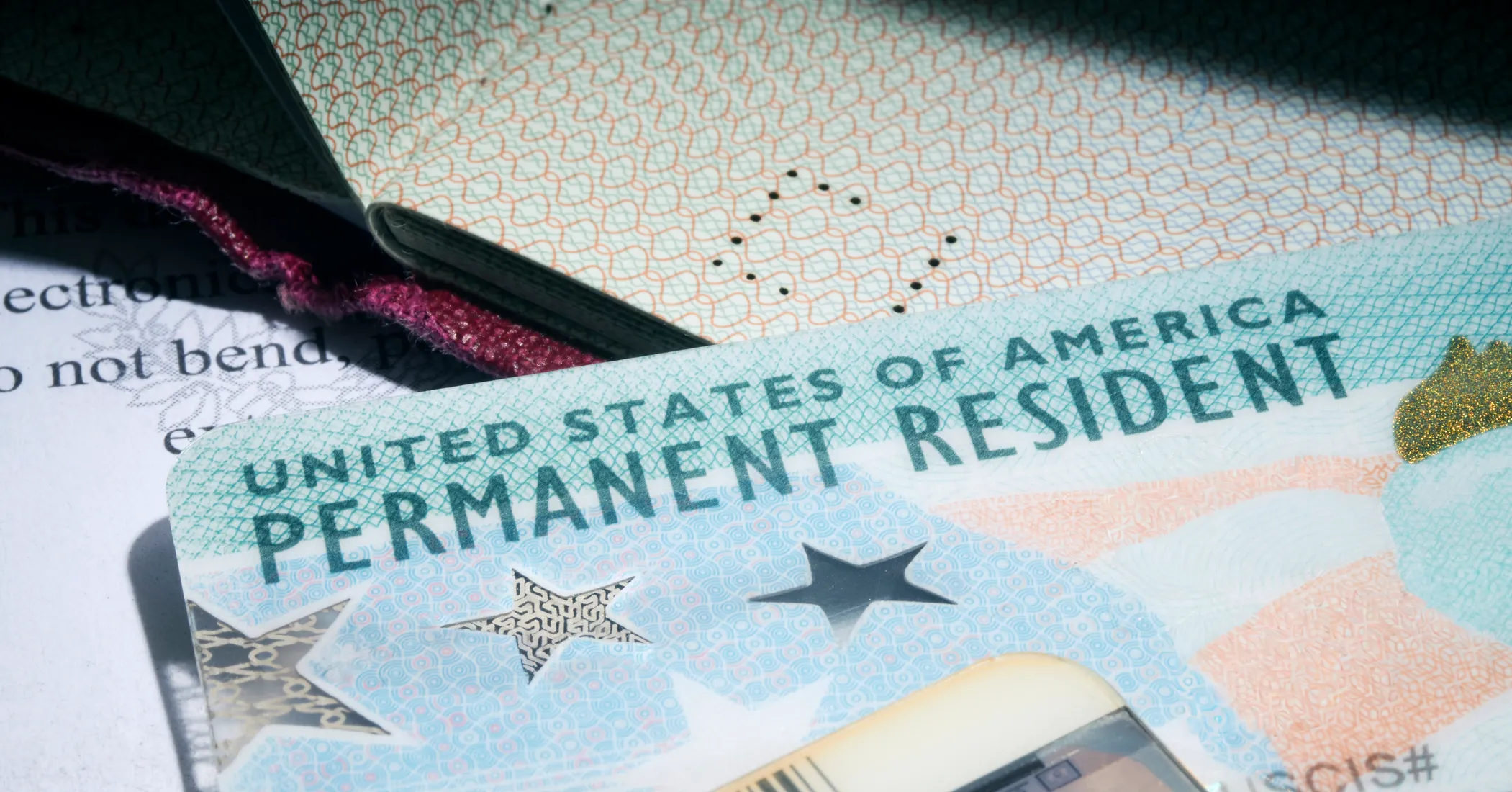
María de Jesús Estrada Juárez, a Deferred Action for Childhood Arrivals (DACA) recipient and legal US resident, was detained at a green card interview in Sacramento, California, in February 2025 and subsequently deported to Mexico. A federal judge ruled the deportation unlawful on 23 March 2025, permitting Estrada Juárez to return to the United States on 31 March 2025. The incident has drawn attention to intensified immigration enforcement measures under the Trump administration, including reported daily arrest quotas established by White House deputy chief of staff Stephen Miller and former Department of Homeland Security secretary Kristi Noem. These policies have coincided with the hiring of 12,000 new Immigration and Customs Enforcement (ICE) agents, leading to increased detentions of individuals with valid legal status. Estrada Juárez, who arrived in the US in 1998, faced significant logistical and personal hardships during the process, including the withholding of medication and the inability of her daughter to locate her in official trackers.
Estrada Juárez was detained less than 24 hours after her appointment, specifically between 11:30 am on February 18 and her departure to Mexico on February 19. During transit to the border, she was moved through multiple facilities in Sacramento, Stockton, Bakersfield, Los Angeles, and San Ysidro, where other individuals were also picked up. Personal belongings, including her phone and medication for anxiety and diabetes (Ozempic), were withheld until she reached the San Ysidro border facility. Upon arrival in Tijuana, she was handed over to the Mexican government and placed in a shelter, though she stayed with a friend in Tijuana before returning to her hometown in Puebla, Mexico.
The speed of the process left Estrada Juárez with little opportunity to seek legal recourse or inform her family. Her daughter was unable to locate her in the US Citizenship and Immigration Services (USCIS) or ICE trackers during the detention period. It was only after reaching Tijuana that Estrada Juárez was able to send a brief text message confirming her safety, noting that phone use was restricted within the initial shelter facilities. The lack of transparency and the rapid movement through the system exemplify the challenges faced by individuals caught in the expanded enforcement net.
The broader context of these enforcement actions involves a reported quota of 3,000 arrests per day, a directive attributed to Stephen Miller and Kristi Noem. Immigration officers have appeared at immigration court hearings and green card interviews across the country, arresting people who are otherwise complying with the immigration process. Similar cases of individuals with legal status being detained and deported have been reported nationwide, suggesting that the emphasis on volume has led to errors affecting lawful residents.
Estrada Juárez is currently facing financial hardship, including rent arrears, and has requested time off work to recover from the trauma of the event. Despite the ordeal, she intends to continue her application for permanent residency, citing her 27 years in the country and her US citizen daughter as primary motivations. Her case remains a stark example of the vulnerabilities inherent in the current immigration enforcement landscape, where legal status does not guarantee protection from deportation.
