Legal drama looms as Musk text to OpenAI president scrutinised before trial
Court to determine if message sent two days before proceedings commenced can be admitted as evidence
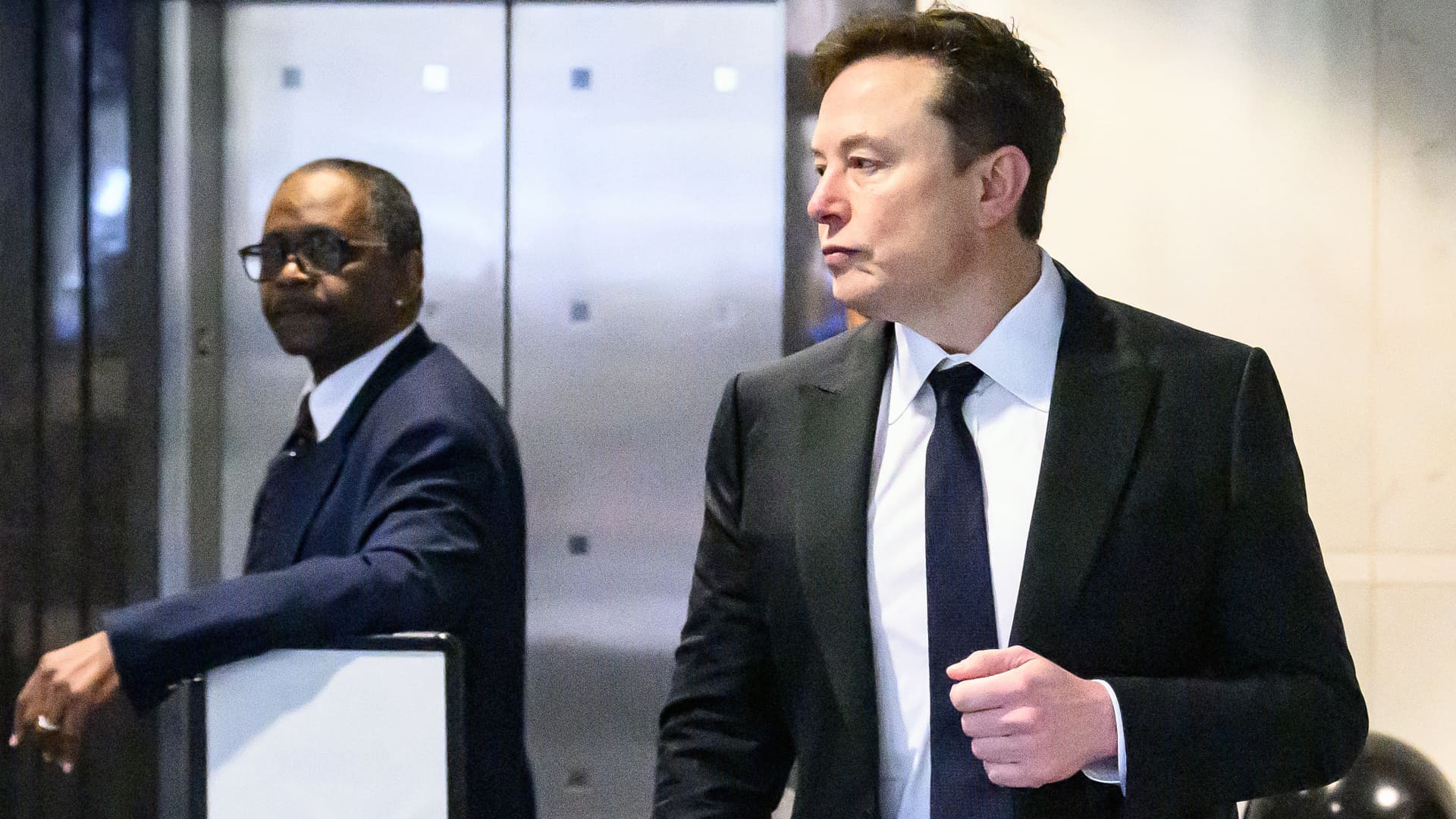
The ongoing legal battle between Elon Musk and OpenAI has taken a sharp turn as the court prepares to decide on the admissibility of a private text message. The communication, sent by Musk to OpenAI President Greg Brockman, was exchanged just two days before the trial was set to commence. This timing has become a focal point of the proceedings, with the judge now tasked with determining whether the message can be used as evidence in the case.
The dispute stems from Musk's role as a co-founder of the artificial intelligence firm, established in 2015. In 2024, Musk filed a lawsuit against OpenAI, CEO Sam Altman, and President Greg Brockman. The litigation has been marked by intense scrutiny over the company's governance and Musk's subsequent departure. Now, the specific content and timing of this digital exchange are central to the legal strategy being employed by both sides.
OpenAI has alleged that the text message was an attempt to coerce a settlement from the defendants. According to the company's position, the message was sent with the specific intent of influencing the outcome of the trial before it officially began. This allegation adds a layer of complexity to the case, suggesting that pre-trial negotiations may have been conducted in a manner the company considers improper.
The court's decision on admissibility will effectively determine the weight this communication carries in the broader trial. If the judge rules the message inadmissible, the details of the conversation will remain outside the official record of the proceedings. Conversely, if admitted, the text could significantly impact the narrative surrounding the settlement discussions and the conduct of the parties involved.
While the full content of the message has not been entirely detailed in recent reports, the mention of a settlement and the proximity to the trial start date are critical facts. The uncertainty surrounding the exact wording highlights the delicate nature of digital evidence in high-stakes corporate litigation. Legal experts note that such timing is often scrutinised to assess the bona fides of settlement attempts.
As the trial moves forward, the outcome of this evidentiary ruling will set a precedent for how similar communications are handled in future disputes. The case remains a significant development in the intersection of technology, corporate law, and high-profile litigation. Investors and industry observers will be watching closely to see how the court interprets the rules of evidence in this context.