Legal challenge launched against Home Office plan to halve refugee protection periods
The challengers argue the new rules are discriminatory and harmful, citing evidence from Australia and Denmark that temporary status exacerbates ill-health and poverty
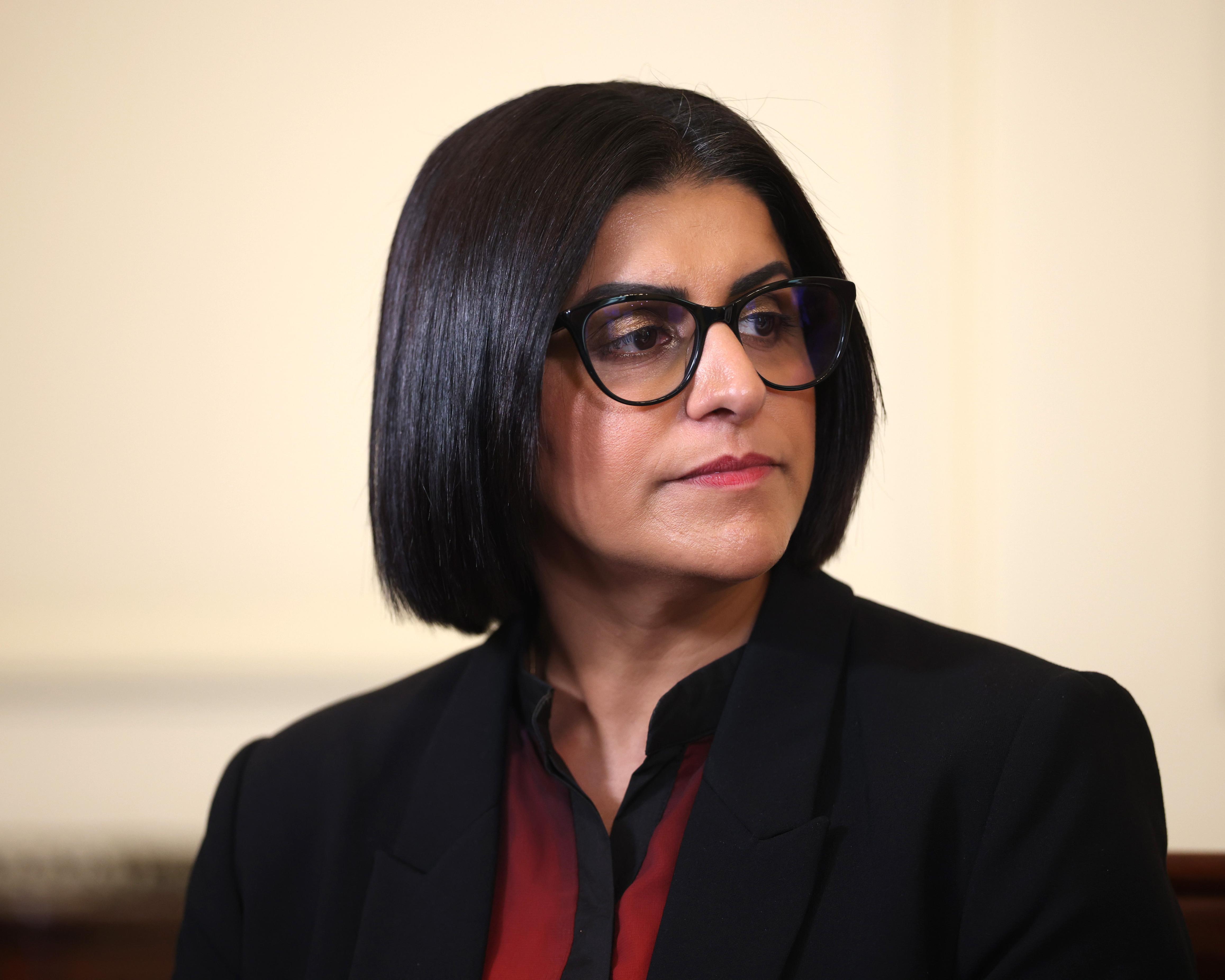
Two Sudanese asylum seekers have initiated legal proceedings against the UK Home Office following the announcement of a new policy that reduces the standard duration of leave to remain for refugees from five years to 30 months. The action marks a direct legal challenge to the government's attempt to overhaul the asylum system, with the applicants rejecting the Home Secretary's characterisation of their cases as instances of "asylum shopping".
Home Secretary Shabana Mahmood introduced the plan in November 2025 as part of a policy paper titled "restoring order and control". The proposal aims to halve the duration of protection and restrict family reunification, arguing that the measures will deter individuals from seeking refuge in the most attractive jurisdictions. Under the new framework, refugees would be required to wait 20 years before becoming eligible for permanent settlement, necessitating eight reassessments of their status over that period.
The asylum seekers, who describe suffering from nightmares and flashbacks related to torture in their home country, contend that the policy is indirectly discriminatory and detrimental to their well-being. They argue that the government's claim that the changes will act as a deterrent is unfounded, particularly given that 96 per cent of Sudanese asylum claims resulted in a grant of protection in 2025. The solicitor representing the clients, Manini Menon, stated that the policy is flawed and that the assertion that only those who genuinely need protection will receive leave is incorrect.
The United Nations High Commissioner for Refugees (UNHCR) has condemned the move, issuing a statement in December 2025 that warned the changes would create significant administrative burdens and undermine refugee stability. The agency noted that reducing leave to 30 months would generate greater uncertainty for refugees, negatively affect integration, and place additional costs on the asylum system. The UNHCR emphasised that such a reduction is likely to be detrimental to the sense of security and belonging required for stability.
Evidence from Australia and Denmark is being cited to support the claim that replacing permanent residency with temporary status has adverse consequences. Data from these nations suggests that temporary protection exacerbates ill-health, social instability, and poverty among refugees. The Home Office has not yet provided a formal comment or response to the specific criticisms raised by the solicitor or the legal challenge itself.
In practice, refugee status is rarely withdrawn once granted, as the conditions forcing refugees to flee often persist for many years, making return to their countries of origin too dangerous. The new policy also restricts the right to bring immediate family members, such as spouses and children under 18, by requiring proof of financial support before reunification is approved. The Home Office has been approached for comment regarding the ongoing legal proceedings.