Legal Battle Over OpenAI's Structure Begins in Northern California
Elon Musk alleges deception regarding the shift from a nonprofit to a for-profit model, seeking billions in damages and the removal of current executives.
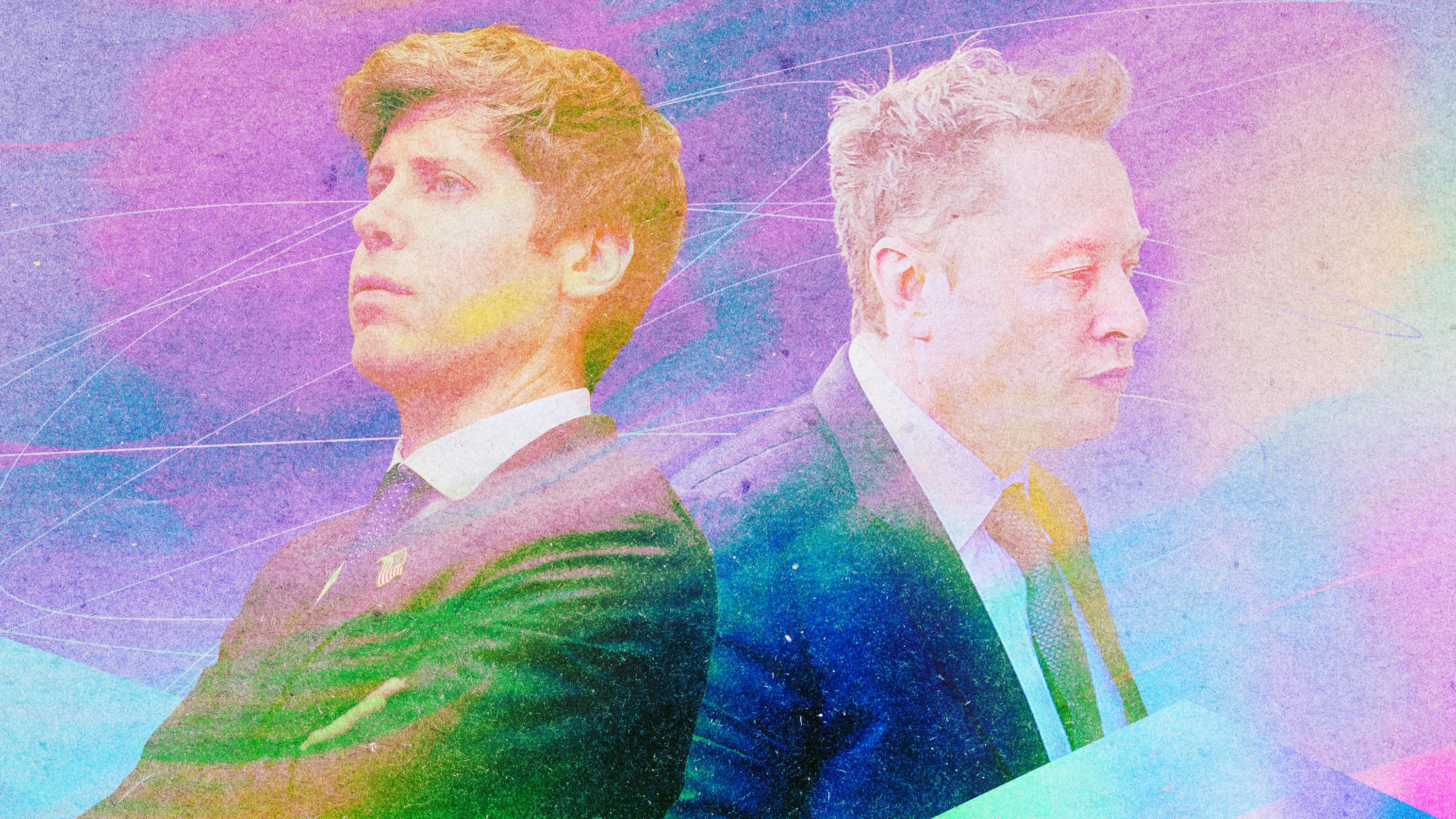
A landmark legal trial has commenced in Northern California, pitting Elon Musk against OpenAI CEO Sam Altman and President Greg Brockman. The proceedings centre on allegations that Altman and Brockman deceived Musk into funding the company in 2015 by promising it would remain a nonprofit dedicated to public benefit. Instead, the lawsuit claims they later restructured the organisation into a for-profit subsidiary without sufficiently informing their former co-founder.
Musk is seeking up to $134 billion in damages from OpenAI and Microsoft, one of the company's largest financial backers. His legal team is also requesting the court remove Altman and Brockman from their roles and restore OpenAI to its original nonprofit status. Notably, Musk has asked that any awarded damages be granted to OpenAI's nonprofit entity rather than to him personally. The case is being heard just ahead of OpenAI's highly anticipated initial public offering, which could determine the company's future existence and leadership.
The trial involves nine jurors who will deliver a non-binding advisory verdict to guide the judge in deciding the claims. Testimony is expected from key figures including Musk, Altman, Brockman, former OpenAI chief scientist Ilya Sutskever, former CTO Mira Murati, and Microsoft CEO Satya Nadella. Evidence presented in court is anticipated to include private texts, diary entries, and internal documents detailing the founding and growth of the organisation.
The legal dispute highlights a significant jurisdictional complexity. Musk is suing under trust law, arguing that the executives breached the charitable trust by creating a closed-source, for-profit subsidiary. However, legal experts note that OpenAI is a corporation and should arguably be judged under nonprofit organisation law. State attorneys general in California and Delaware previously approved the new corporate structure with specific conditions, though California's attorney general declined to join the lawsuit, citing a lack of public interest.
The outcome of the trial could have sweeping consequences for the broader artificial intelligence race. If Musk prevails, his rival company xAI, which is expected to go public as part of SpaceX in June, could gain a significant advantage. With xAI and SpaceX valued at $1.25 trillion in combination, a ruling against OpenAI would upend the current competitive landscape. OpenAI, valued at over $850 billion, has already described the litigation as a potential risk to its business.
Despite the high stakes, the trial exposes deep divisions within the industry. An OpenAI spokesperson characterised the lawsuit as a baseless attempt to derail a competitor, while Musk has publicly accused Altman of lying. The proceedings offer a rare opportunity for the public to examine the internal conflicts and secrecy surrounding the development of transformative technology. Legal scholars remain puzzled by the standing of the claim, noting that typically such matters are enforced by regulators rather than individual donors.
