Lebanon Crisis Fuels Risk of Israel-Iran Conflict
Financial Times reports that diplomatic and military tensions are intensifying, with recent strikes on Iranian soil raising the prospect of direct war between Israel and Tehran.
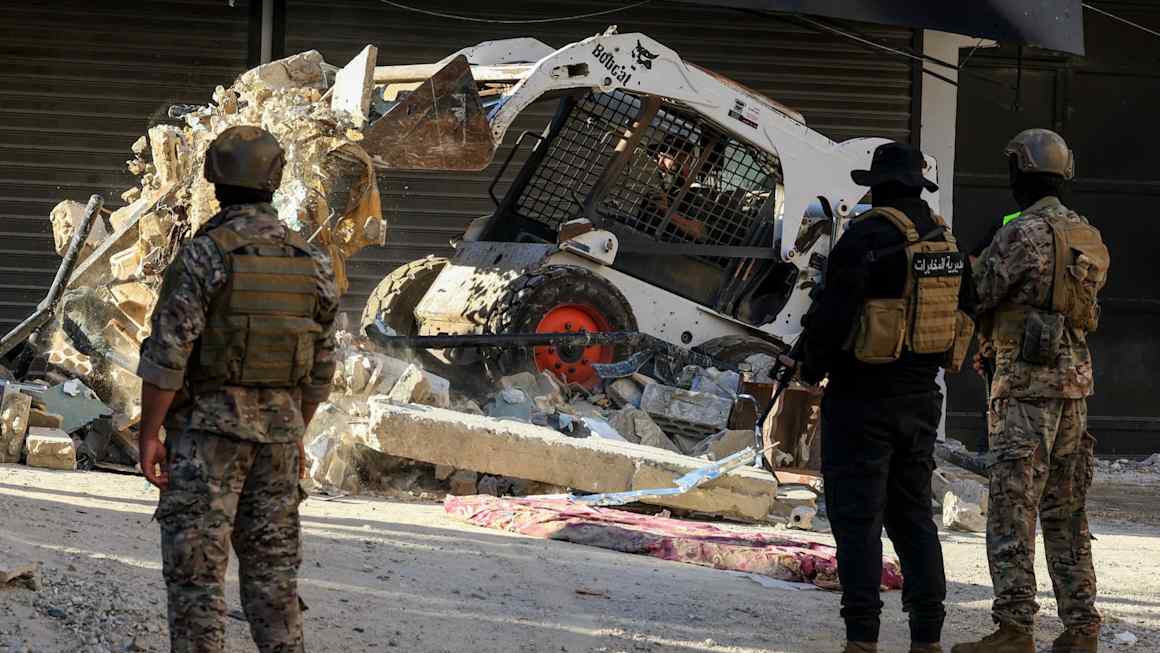
The ongoing impasse regarding Hezbollah is repeatedly testing the fragile ceasefire between Tehran and Washington, pulling Israel and Iran closer to the brink of potential conflict, according to a report by the Financial Times. The diplomatic standoff has become a focal point for escalating military tensions in the region, with the situation described as increasingly volatile.
The risk of direct war has heightened following a cycle of retaliation that began with an attack on Beirut’s southern suburbs. In response, Iran fired a salvo of missiles at Israeli targets. Hours later, Israel conducted strikes against military targets in western and central Iran, with explosions reported in the cities of Tehran, Tabriz, and Isfahan.
The Israeli Defence Forces have previously vowed to strike Iran with force following Iranian missile attacks, a stance that appears to have been enacted in the recent military exchanges. The strikes on Iranian territory mark a significant escalation in the kinetic phase of the dispute, moving beyond proxy engagements to direct strikes on sovereign Iranian soil.
In response to the Israeli attacks, Iran’s Revolutionary Guards targeted the headquarters of what it described as "terrorist groups" in Sulaymaniyah, Iraqi Kurdistan. This retaliatory measure underscores the interconnected nature of the conflict, with actions in Lebanon and Israel triggering responses across multiple borders.
The specific terms and status of the ceasefire between Tehran and Washington remain unclear in current reports. However, the impasse over Hezbollah continues to strain diplomatic channels, with the Financial Times noting that the situation is pulling both nations back towards a wider war. The immediate likelihood of full-scale conflict remains speculative, but the risk profile has undeniably increased.
As military operations continue, the international community watches closely to see whether the fragile ceasefire can hold against the backdrop of these escalating strikes. The situation in Lebanon remains a critical flashpoint, with the potential for further miscalculation posing significant risks to regional stability and global markets.
The events highlight the precarious balance of power in the Middle East, where diplomatic efforts to contain the conflict are being tested by on-the-ground military realities. Investors and policymakers alike are monitoring the situation for signs of further escalation that could disrupt energy supplies and financial markets across the region.